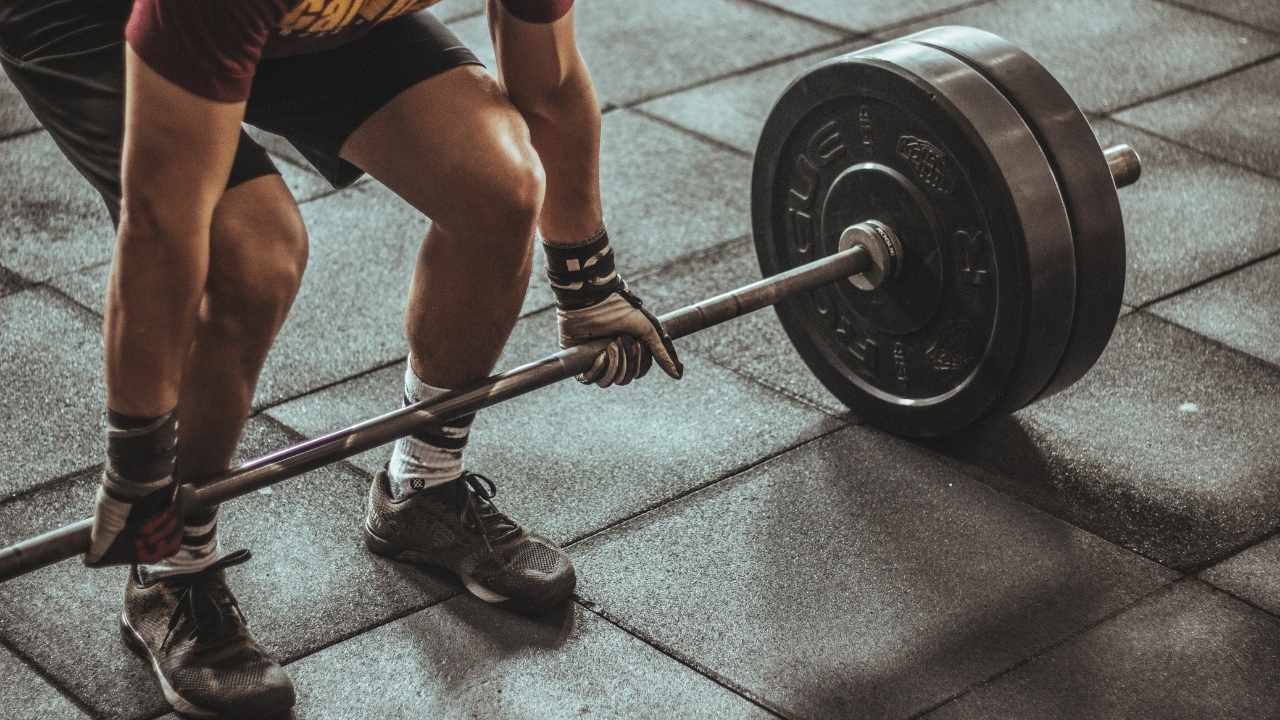
I spent years convinced that more gym time was the answer. Stalled bench press? Add another workout. Soft around the middle? Train harder. It took a long stretch of flat results and nagging fatigue before I figured out what was actually missing, and it had nothing to do with effort.
The missing link was workout recovery. The gains you want are not built during the session. They are built in the hours and days after it, and how you handle that window decides whether your training pays off or just wears you down. Here is what I changed, and what the research says about why it works.
Recovery is where the results actually happen
A hard training day does not make you stronger on the spot. Lifting creates small amounts of muscle damage, and it is during proper recovery that your body repairs those fibers and rebuilds them thicker than before. That repair process, including the temporary inflammation that comes with it, is where strength gains come from.
Skip the recovery side and the effects stack against you: lingering muscle soreness, rising overall tiredness, stalled lifts, and a higher risk of injury. I treat rest with the same seriousness as training now, and it changed how I perform in the gym.
How long does workout recovery take?
Most research puts muscle recovery between 24 and 72 hours depending on intensity. A light workout might need only a day, while a heavy leg day can leave muscle soreness that peaks two days later, with soreness and inflammation usually settling within a few days. I leave at least 48 hours before hitting the same muscle group again, and I plan my week around that rule.
Age matters too. Recovery needs grow as you get older, and older athletes generally need an extra day compared to lifters in their twenties. Beginners are not exempt either. New movements cause more muscle damage at first, which is why your first weeks of training hurt the most.
Active recovery beats doing nothing
Rest days do not have to mean the couch. Easy movement raises your heart rate just enough to push blood flow through sore muscles, which helps clear waste products and bring in nutrients. A 2018 meta-analysis in Frontiers in Physiology compared recovery techniques head to head: massage came out the most effective for reducing muscle soreness, perceived fatigue, and markers of inflammation, and active recovery also produced a meaningful drop in soreness. Stretching on its own did little, and may even add to soreness.
My favorite low intensity options between sessions:
- A brisk 20 to 30 minute walk
- Easy cycling at a conversational pace
- Swimming or light pool work
- Foam rolling plus gentle stretching for mobility
- Casual weekend sports played at half speed
I still stretch after every lift, but for mobility and habit, not as a soreness cure. The research is clear that blood flow is what your muscles want, so a short stretch routine paired with an easy walk does more good than either alone.
Skip recovery for too long and it shows, as our piece on how quickly fitness fades explains.
Recovery tips for beginners and older athletes
If you are just starting out, keep it simple: start with two or three workouts a week, leave a rest day between them, and let early muscle soreness settle before you add intensity. Sore muscles do not need to be sore to grow, and chasing pain is how beginners get hurt.
For men past forty, the same tips apply with one addition: take the extra rest day without guilt. I have learned that one more easy day costs nothing, while training through deep fatigue sets me back a week. If an old injury flares up, I scale back the load and follow the approach I laid out in my guide to enjoying sports after an injury.
Nutrition drives muscle recovery
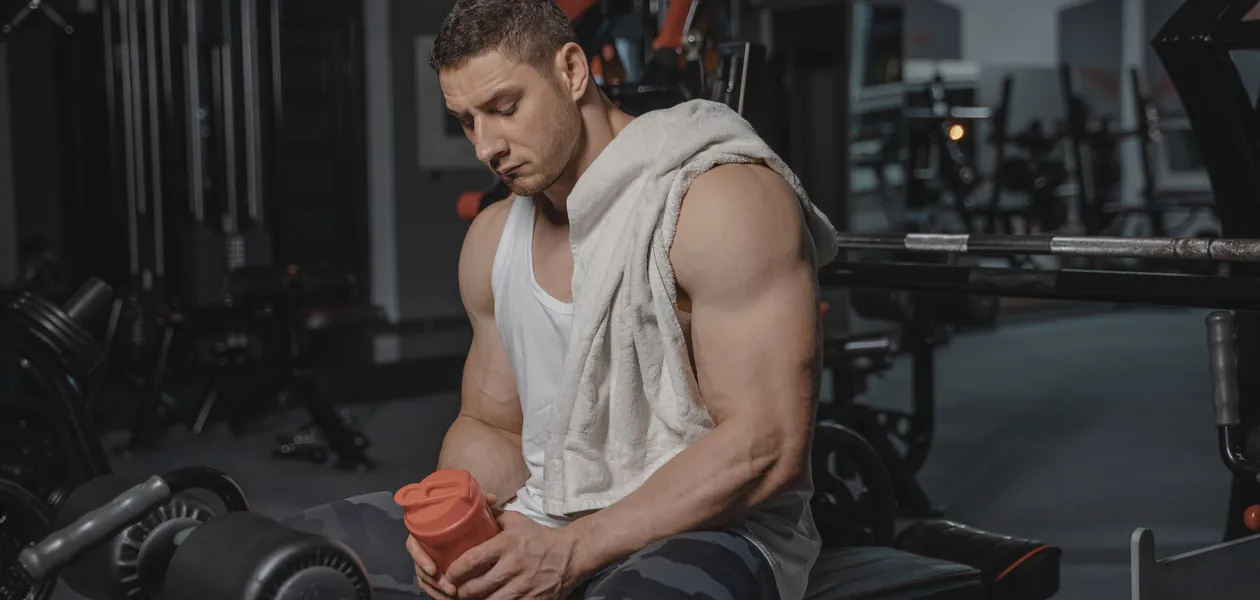
What I eat after a session has as much influence on my results as the workout itself. Protein supplies the building blocks for repairing muscle damage, and eating too little of it makes even a perfect program underperform. I aim for a protein source at every meal rather than obsessing over a post-workout window.
I use protein powder on busy days because it is the easiest way to close the gap. But powder is a supplement, not the foundation. Carbs refill the energy your muscles burned, fats support hormone health, and eating mostly whole foods covers the vitamins that the repair process needs.
Sleep is the strongest recovery tool you have
Nothing I have tried moves the needle on muscle recovery like good sleep. During the deep stages of sleep your body releases growth hormone and does the bulk of its tissue repair, so cutting your sleep short means cutting the repair short too. On bad sleep weeks my lifts feel heavier, my heart rate runs higher, and my motivation sinks.
What worked for me was treating bedtime like a training commitment: a consistent schedule, screens off early, and a dark, cool room. The Cleveland Clinic’s recovery guidance makes the same point I learned the slow way: what you do in the hours and days after exercise determines how your body bounces back.
Stress quietly sabotages repair
Recovery is one slice of a bigger routine in our guide to keeping your body and mind in good shape.

High stress works directly against recovery. When your system is flooded with stress hormones like cortisol, the body prioritizes survival over rebuilding, which slows repair and can encourage fat storage. There were months when my training was perfect and my results were terrible, and the common thread was always stress.
What helps me is unplugging in low effort ways: time with friends, a hobby that has nothing to do with a screen, or a slow walk outside. Calming your mind is a recovery method, the same as eating well or sleeping enough. My deeper routine for this is in my guide to keeping your body and mind in top condition.
Consistency and mindset beat intensity

The athletes who make the best long term progress are rarely the ones training hardest. They are the ones who show up steadily for years without burning out. Cycles of all-out effort followed by exhausted breaks gave me far less than a sustainable routine I could repeat every week.
Mindset is what makes that possible. Instead of chasing perfection, I focus on building habits and accepting that some weeks are maintenance weeks. Celebrating small wins keeps me invested through the slow patches, and staying invested is what keeps the streak alive.
Movement outside the gym counts

And if you are hurt, our guide to staying active after an injury keeps recovery on track.
Your body does not only adapt during scheduled workouts. Walking the dog, taking stairs, yard work, and biking to the store all add to your daily energy burn and keep joints moving between sessions. This is where the idea of getting fit becomes a whole-day habit instead of a one hour event.
Staying generally active also supports heart health and keeps your overall energy higher, which makes the next trip to the gym feel easier. The small stuff counts more than most men realize.
Hydration keeps everything flowing

Muscle tissue is mostly water, and even mild dehydration drags down performance, digestion, and the blood flow your recovery depends on. I drink water steadily through the day, not just around workouts, and it is one of the cheapest upgrades to overall health there is.
Some people find it helpful to carry a water bottle or track intake with an app. I just keep a full glass on my desk and refill it when I stand up. Whatever system you will actually repeat is the right one.
Track progress, then trust the process
Results come in waves, and the scale is the least interesting way to measure them. I rely on tracking progress through how my clothes fit, how my lifts move, and how much energy I carry through the day. Photos every month tell me more than daily weigh-ins ever did.
To pull it all together, this is the recovery checklist I run every week:
- Protein at every meal, with a shake only when food falls short
- At least one full rest day, plus an active recovery day of easy movement
- A consistent sleep schedule, protected like training time
- One real stress release, away from screens, every single day
- Water all day long, not just at the gym
The missing link between your workouts and your results is not more effort in the gym. It is workout recovery: the eating, sleeping, moving, and decompressing you do between sessions. Give that side of training the same respect you give the barbell and the results you want will finally start to show.