Landscaping for Beginners: Tools, Materials, and a Plan
The Garage Test: What You Actually Need vs. What's Gathering Dust

Open any serious DIYer’s garage and you’ll find a graveyard of good intentions. That edger used once in 2019. The post hole digger that seemed essential at the time. The five different rakes because surely each serves a unique purpose, right?
Landscaping for beginners starts with a confession: I bought most of that junk myself before I learned what actually matters. Transforming your outdoor space doesn’t require mortgaging your house at the tool store. It demands a plan, a few honest tools, and the patience to do things in the right order.
Start With a Plan, Not a Shovel
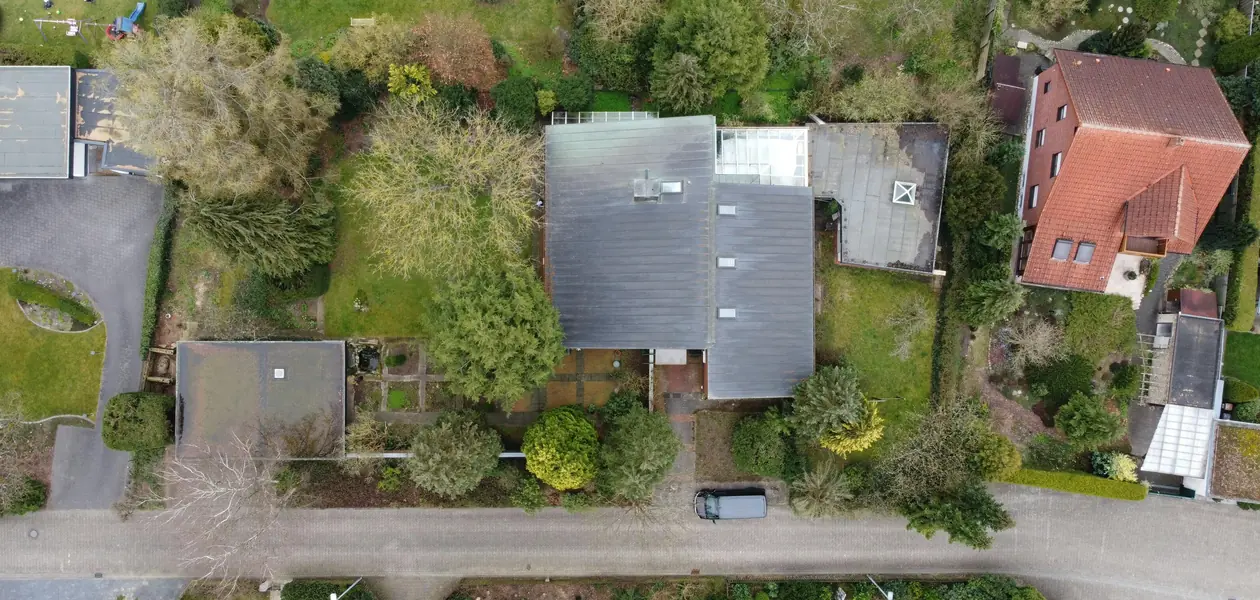
Every beginner mistake I’ve made traced back to digging before thinking. Before you buy anything, spend one weekend just watching the space.
Walk it in the morning and the evening. Note where the light falls, where water pools after rain, and where the dog has already decided the path goes. Sketch the space on paper, even badly. The cheapest way to landscape is to plan on paper, where mistakes cost an eraser instead of a delivery fee.
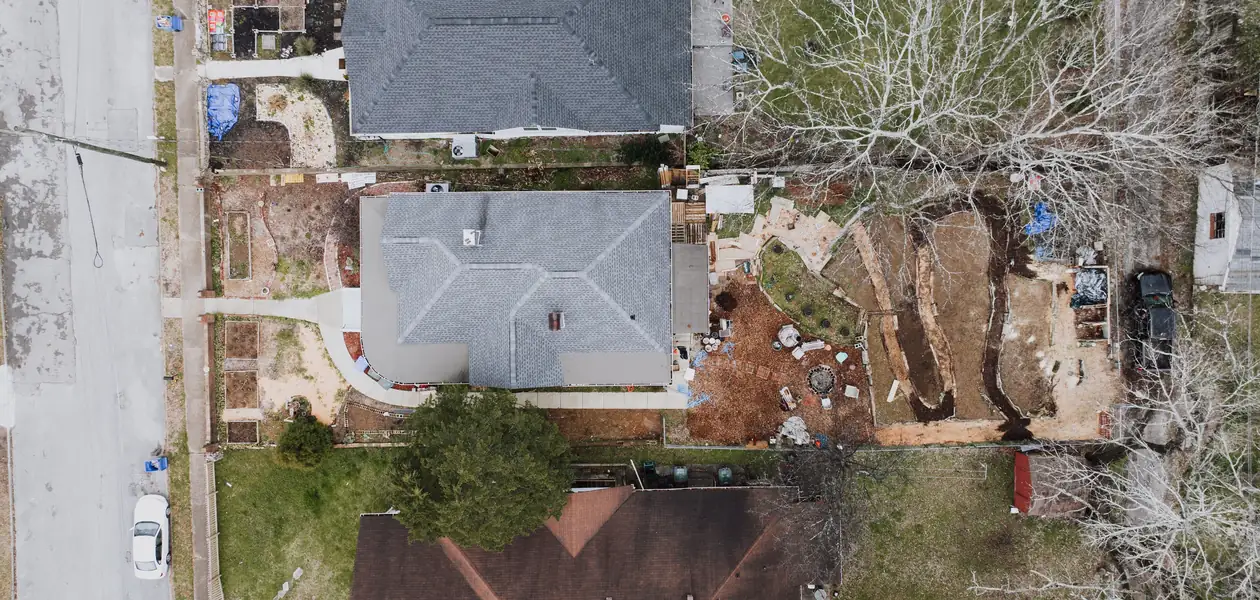
A few planning tools earn their place before any design ideas get real:
- Measuring tape: 25-foot minimum, 50-foot for larger spaces.
- Marking paint or flags: lay the design out full-size and live with it for a week.
- String line and stakes: straight lines and level references for beds and paths.
- A level: discovering your patio is three inches off after laying 200 pavers is a special kind of heartbreak.
Choose Plants Before Tools
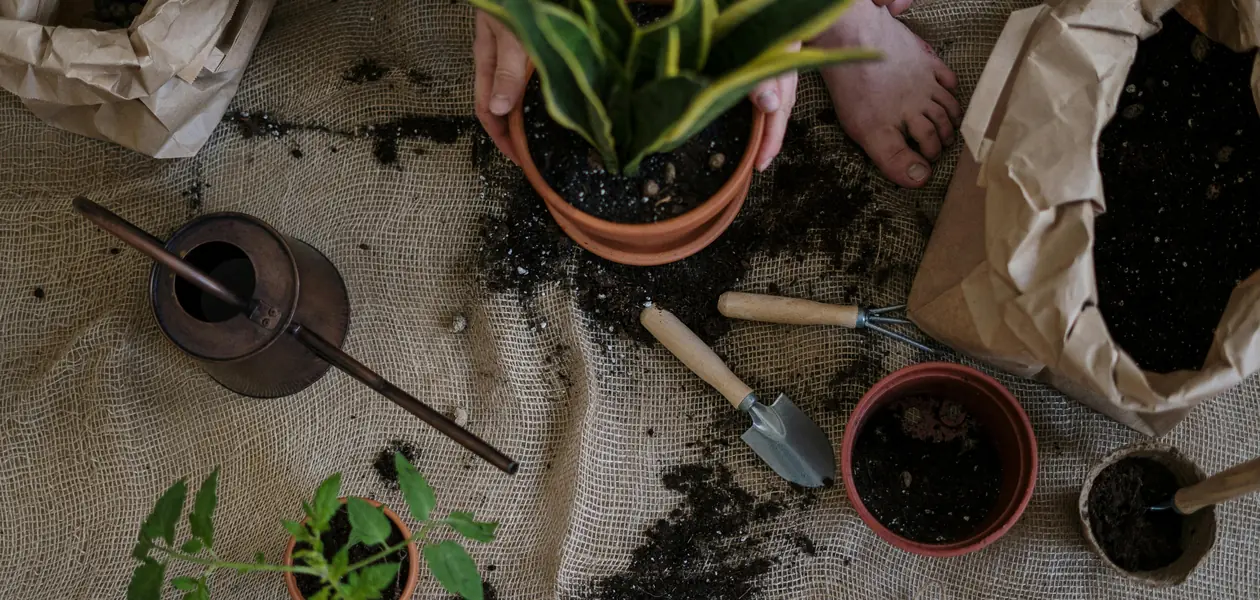
This is the step I skipped my first year, and the result looked like a clearance rack because of it. Plants decide what work needs doing, so they come before equipment.
Match every plant to the conditions you mapped: full sun, partial shade, or deep shade. A sun-loving perennial planted in the dark sulks; a shade dweller out in the open burns. Group plants with similar water needs together and you’ll cut your maintenance in half.
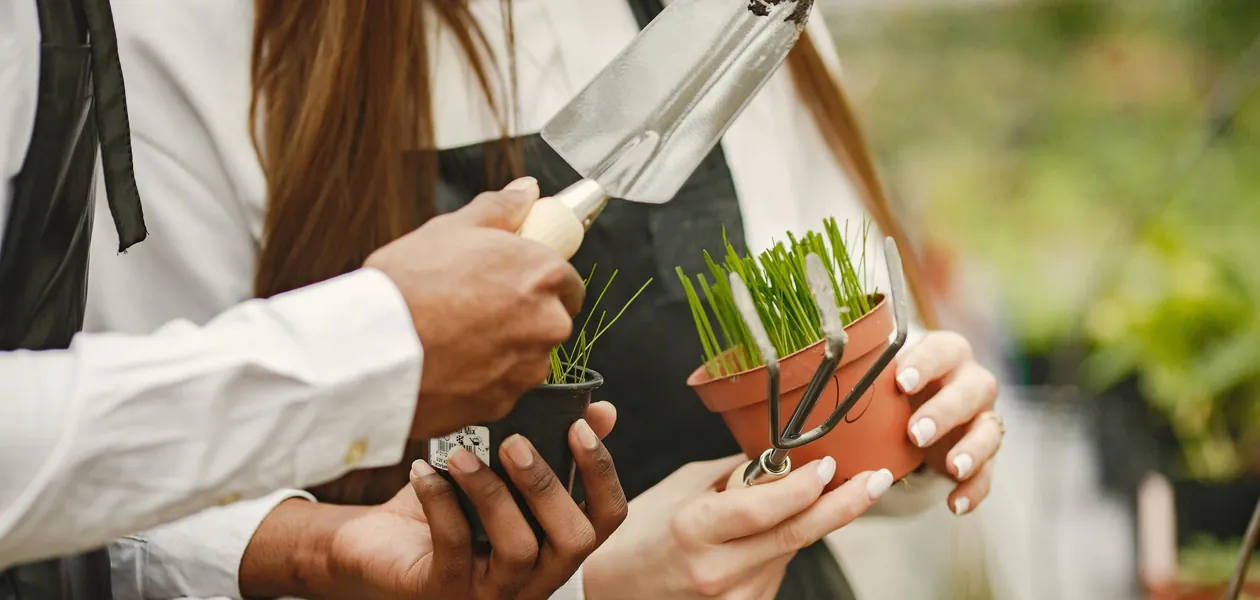
The right gear speeds it up, so see our must-have power tools.
If you are new to gardening entirely, consider the easy wins first: daylilies, hostas, ornamental grasses, and native shrubs forgive beginner mistakes and still look deliberate. Include at least one anchor plant per bed (a small tree or substantial shrub) so the design reads as intentional even in winter. A beautiful yard is mostly a healthy one; exotic show-offs can wait a season or two.
A guideline worth stealing from designers is the 70/30 rule: roughly 70 percent of your beds in reliable green structure (shrubs, evergreens, foliage perennials) and 30 percent in seasonal color (flowers, annuals). The structure keeps the yard looking deliberate in every season; the flowers provide the show.
Sun, Soil, and Starting Small
Get a soil test before planting anything you care about; your local cooperative extension office runs them cheaply and tells you exactly what your soil needs. Then start with one bed, not the whole yard. Trees and shrubs go in first since they take longest to establish; flowers and finishing touches come last.
The Hand Tools That Earn Their Keep
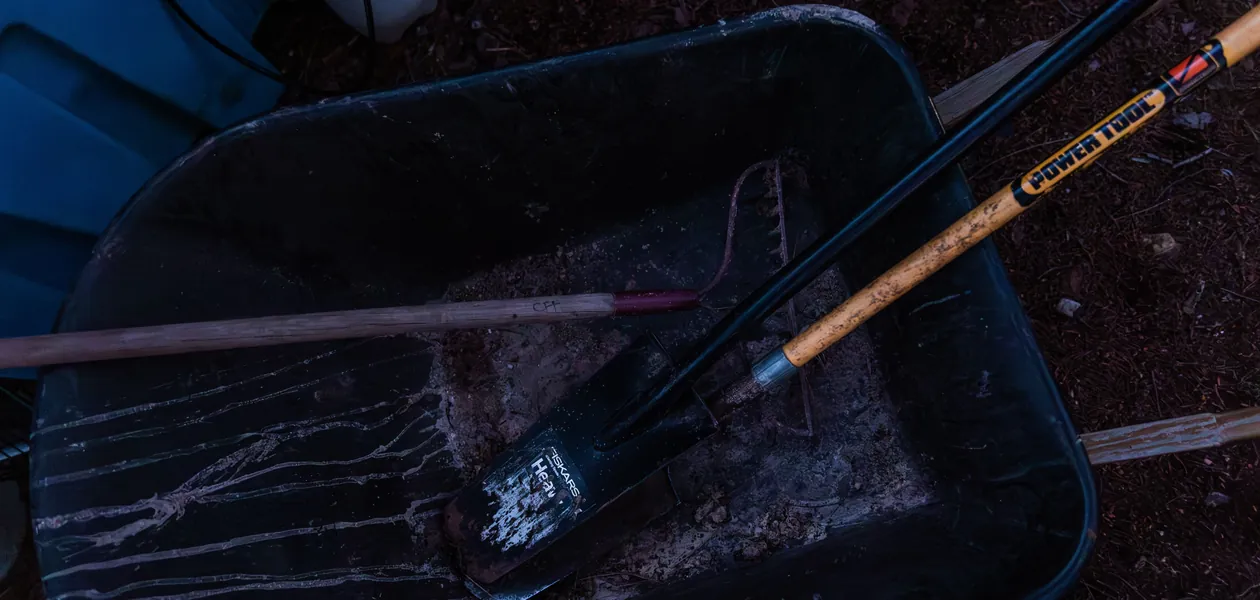
These aren’t glamorous. They won’t impress your neighbors. But they’re the workhorses that carry you through countless weekends, and quality versions last decades:
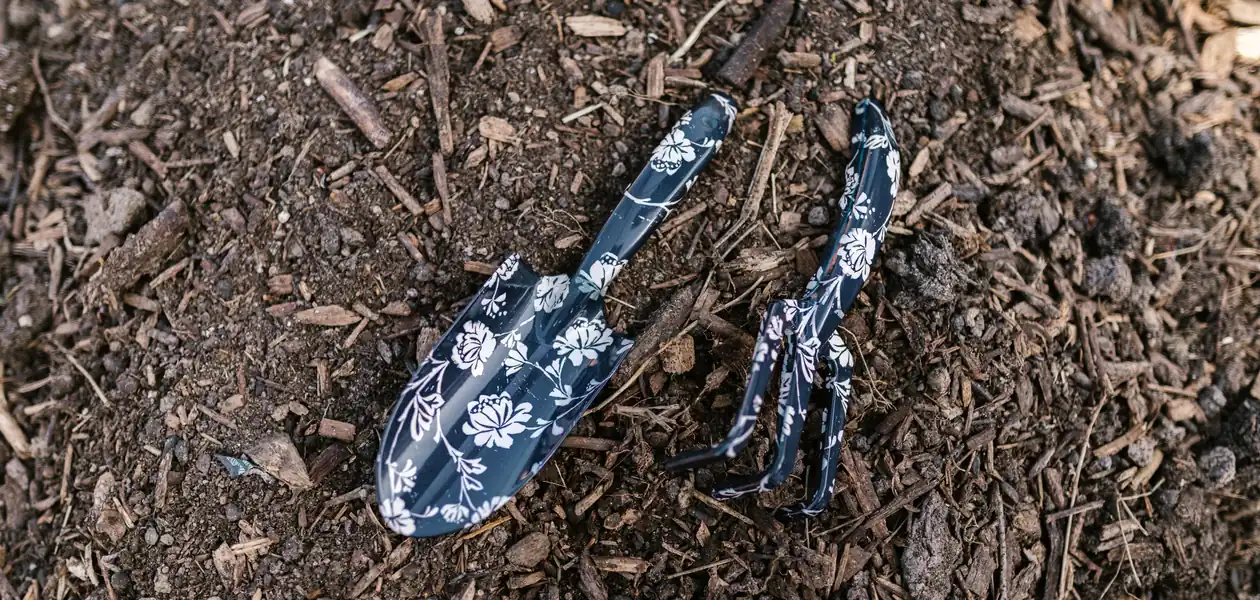
- Round-point shovel: digging, moving soil, mixing concrete.
- Square-point shovel: scooping, spreading, edging.
- Garden rake: leveling, debris removal, spreading mulch.
- Bow rake: grading and breaking up soil clumps.
- Wheelbarrow: preferably dual-wheel for stability.
- Mattock: the secret weapon for hard soil and roots.
- Hand pruners: bypass style for living plants, anvil for dead wood.
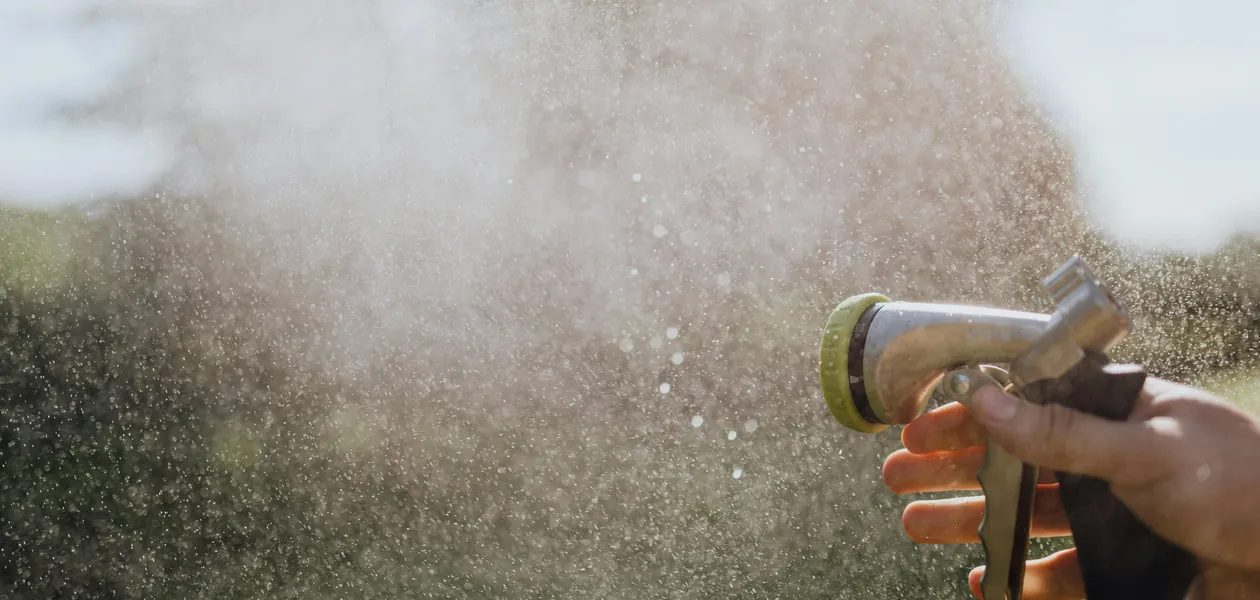
- Garden hose with adjustable nozzle: obvious, and still overlooked.
Notice what’s missing? Gimmicks. Single-purpose gadgets. Anything with “as seen on TV” energy. Most of these belong in the same drawer as the essential tools every man should own anyway. Sourcing quality versions of the basics from a supplier like BOSS.SUPPLY beats five cheap rakes every time.
Power Equipment: Buy Some, Rent the Rest
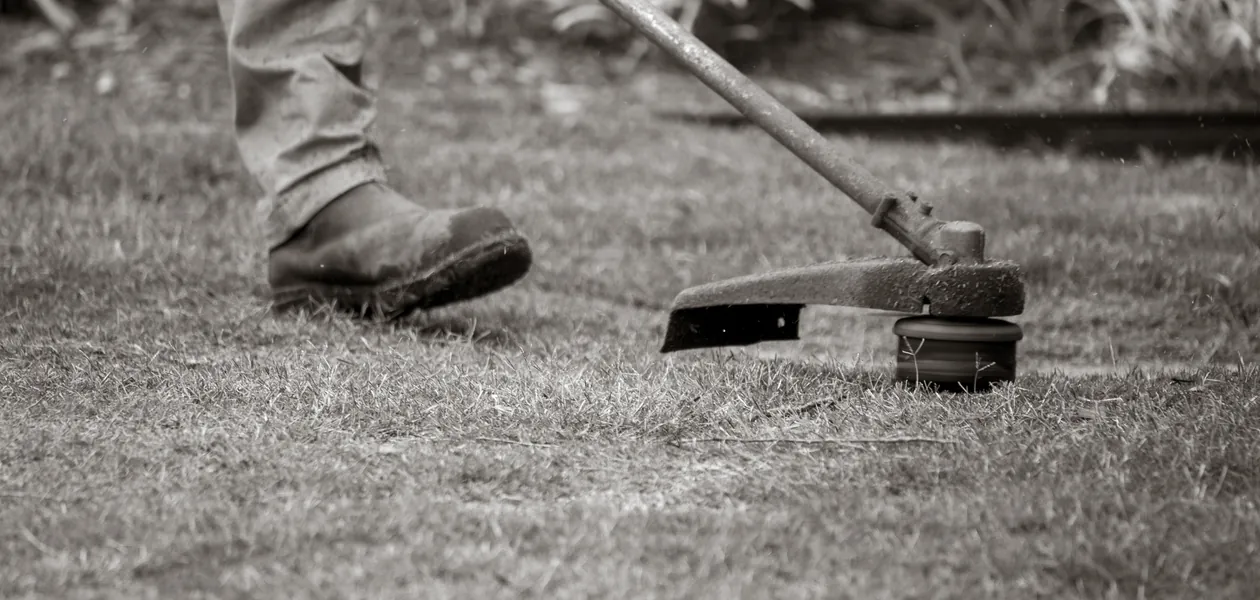
Build the foundation with our rundown of essential tools every man should own.
Power equipment turns labor-intensive nightmares into manageable jobs, but ownership isn’t always the answer. I covered the indoor side in my list of must-have power tools for home maintenance; out in the yard, my rule is simpler: if a machine works for you fewer than a handful of times a year, rent it.
Worth Buying
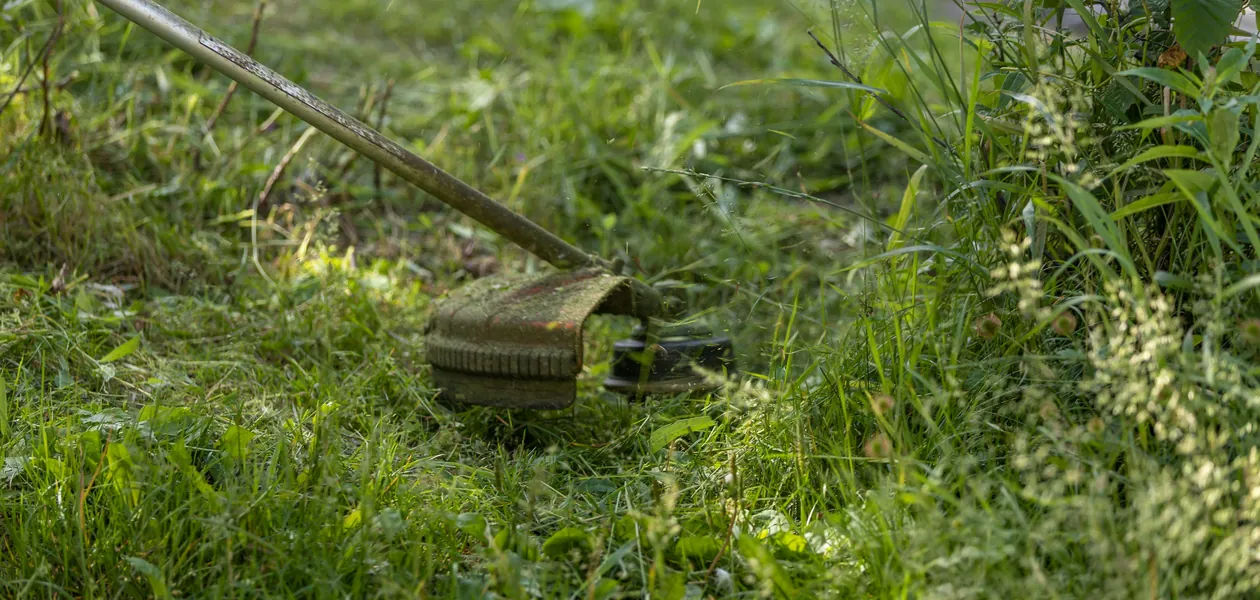
- String trimmer: constant use for edging and detail work. Modern battery models are powerful and skip the fuel-mixing headache.
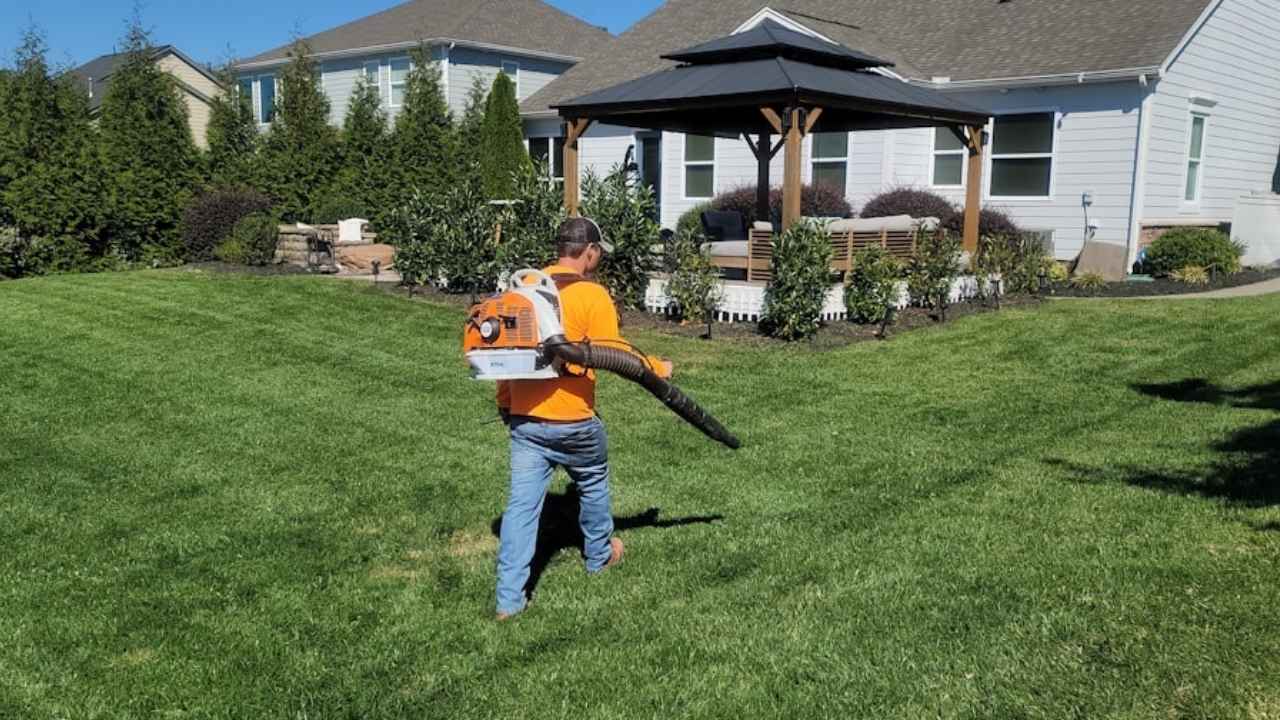
- Leaf blower: loud, yes, and also the fastest way to clear debris from hardscaping. Battery-powered keeps the noise civil.
- Hedge trimmer: if you have shrubs that need regular shaping, it pays for itself in one season of avoided frustration.
Worth Renting
- Plate compactor: essential for paver projects, used maybe once.
- Sod cutter: removes grass efficiently, far too specialized to own.
- Rototiller: great for new beds, then it eats storage space for eleven months.
- Aerator and stump grinder: annual or one-time jobs. Rent, and be glad you don’t maintain them.
Materials and Soil: Where Projects Take Shape
Love being outdoors? Our no-fuss camping guide is a natural next step.
Tools are one thing. Materials are where budgets either flourish or explode, and where beginners cut the corner they regret for years: soil.
Healthy plants demand decent soil. My working mix for improving a bed is one-third existing soil, one-third compost, one-third amendment (coarse sand for drainage, or peat for retention). Not sacred law, but a functional start before the soil test gets fancy.
The materials that earn a first-time buy:
- Topsoil and compost: the foundation of every new bed.
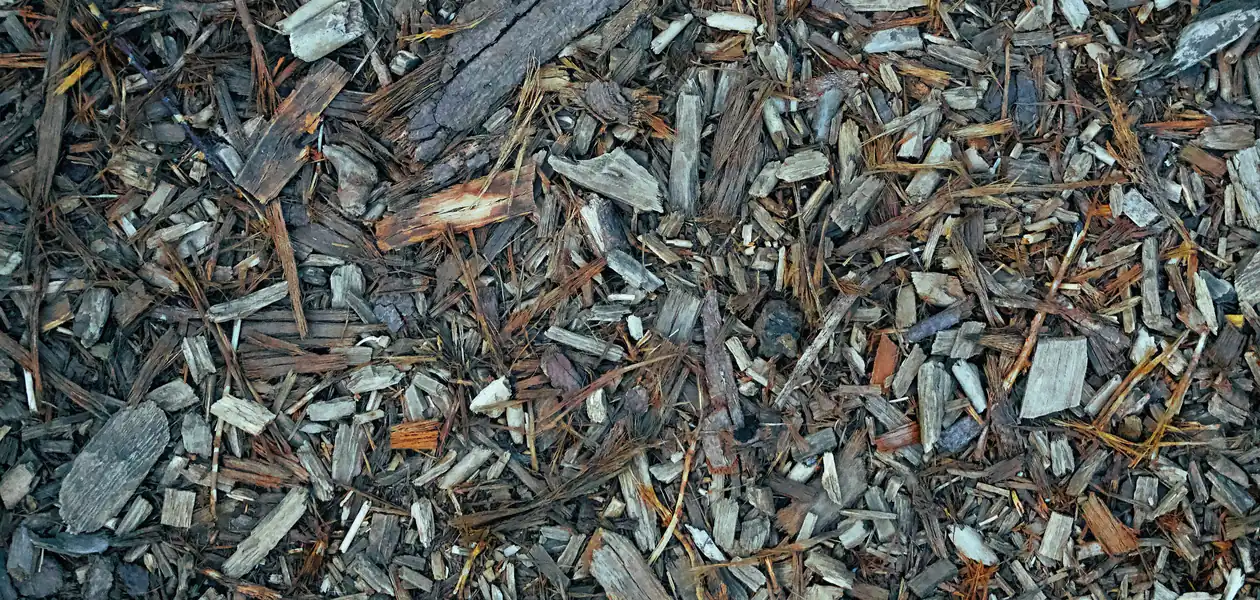
- Mulch: cedar, pine bark, or hardwood; each looks and ages differently.
- Landscape fabric: commercial-grade only; the flimsy stuff deteriorates fast.
- Edging: metal, plastic, or stone, for clean lines between lawn and beds.
- Gravel and pavers: quality matters immensely here; cheap pavers crack and shift.
Estimating Quantities Without Tears
Beginners consistently either over-order or under-order. The math that keeps you honest:
- Mulch: area in square feet, times depth in inches, divided by 324 = cubic yards.
- Pavers: add 10 percent for cuts and breakage.
- Soil: it settles; add about 25 percent to the calculated volume.
- Plants: space for mature width, not the pot size in front of you.
Safety, Water, and Keeping It Alive
Ever notice how professionals always wear safety gear and amateurs almost never do? Work gloves, safety glasses, ear protection around power equipment, and closed-toe boots are the minimum, and the whole kit costs less than one urgent-care visit. Knee pads feel optional at 30 and like genius at 50. Dust masks join the kit whenever you cut pavers or pour dry amendments; that dust has no business in your lungs.
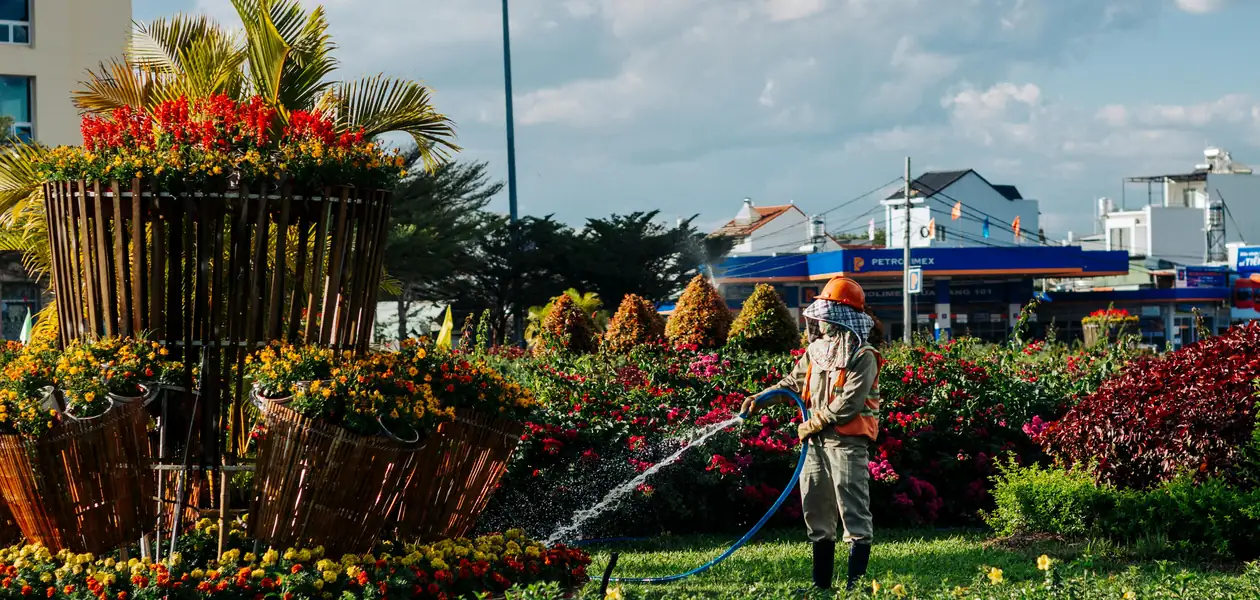
Then keep the new yard alive. New plantings need consistent water for their first season, not occasional rain dances. A couple of soaker hoses snaked through the beds and a simple hose timer will do more for a beginner’s success rate than any premium plant. Sprinklers handle the lawn; drip lines and soakers handle the beds, putting water at the roots where it belongs instead of evaporating off the leaves.
One last habit that separates thriving yards from expensive compost piles: walk the beds weekly. Ten minutes of pulling small weeds and spotting problems early beats a ruined Saturday every month. The yard you want is built in those small, boring, consistent passes, one bed at a time, with tools that earn their keep.