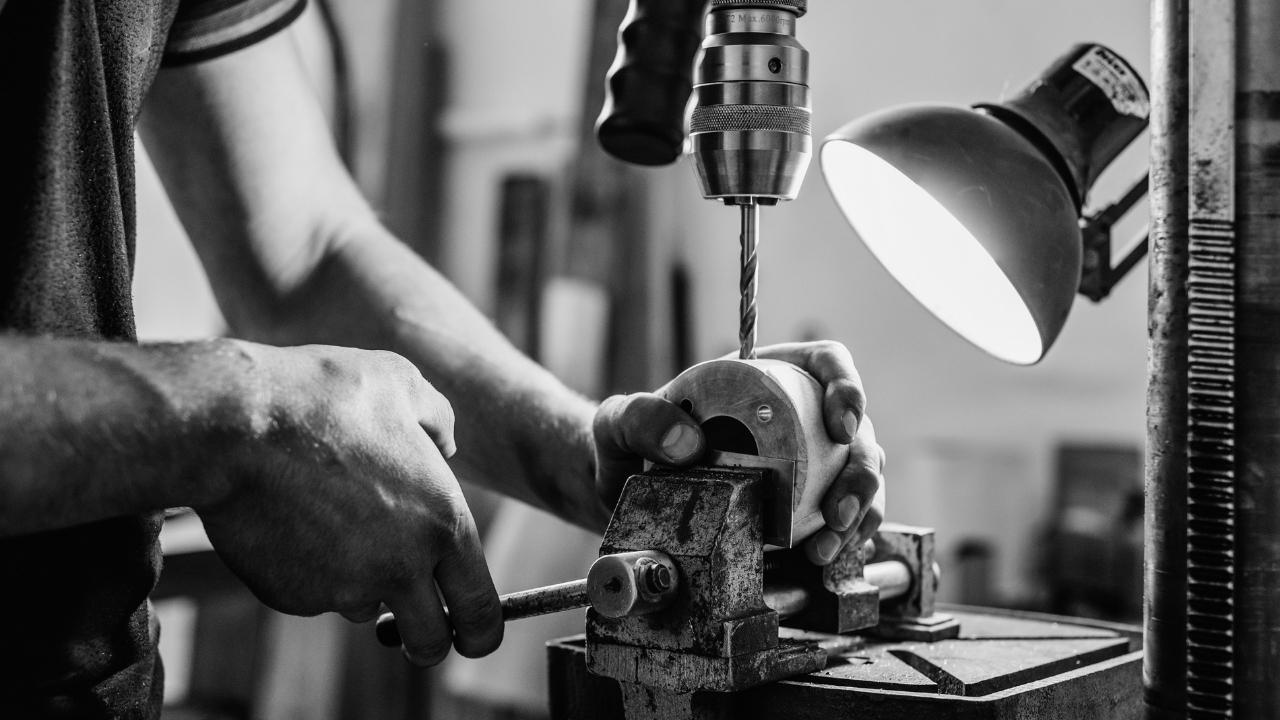
Walk into any room and you will find talk of hustle. Entrepreneurship. Branding. Efficiency hacks. We have glamorized the grind so much that we have almost forgotten what actual grit looks like. The kind that does not post selfies. The kind that leaves calluses on your hands, not just opinions in your inbox.
Grit is not trending. It is timeless. And in 2025, it still comes down to the same thing it always has: knowing how to use your hands, and owning the right tools to do it. So this is the list I wish someone had handed me when I started: the essential tools every man should own, what each one does, and how to buy gear that lasts instead of gear that snaps on the second job.
Why the Right Tools Still Matter
I have learned this the hard way. You can walk into a big-box store and buy a 100-piece set of made-in-China junk for thirty bucks. Fight that temptation. Those chintzy tools last a few uses before they strip, bend, or snap. A good tool is the bridge between intention and action, between “I should fix that” and “I did.” Here is why the right gear is worth it:
- You tend to get what you pay for, in craftsmanship and in years of use.
- Mid-tier tools handle most of what a homeowner runs into, from woodworking to basic electrical work.
- Better gear gives you a grip that does not chew up your palm on a long job.
- The best toolkits are not built overnight; they are curated over years, one project at a time.
The Essential Hand Tools
Start here. These are the hand tools that handle the bulk of real home repairs, and the ones I keep within arm’s reach in my own garage. Make sure you buy these first.
- Claw hammer: A 16-ounce claw hammer drives nails and pulls them when you miss the mark. Look for a comfortable handle and a solid head, because a loose hammer head is dangerous.
- Screwdriver set: Flathead and Phillips sizes cover nearly every screw, from electrical outlet covers to furniture. An insulated set is an essential upgrade for any electrical work.
- Tape measure: A 25-foot tape is the workhorse of measuring. Measure twice, cut once is how you avoid wasting materials.
- Utility knife: The most-used blade in the box. It opens boxes, scores drywall, and trims carpet. A sharpener for your blades earns its place fast.
- Level: A torpedo level keeps shelves, frames, and cabinets straight. Nothing reads as sloppy faster than a crooked picture.
For the heavy jobs, our must-have power tools round out the kit.
Next come the tools for gripping, turning, and fastening. These handle the mechanical side of the work:
- Adjustable wrench: Like a whole wrench kit in one tool, it grips nuts and bolts of various sizes for plumbing and anything mechanical.
- Socket set: A socket set with a ratchet makes quick work of bolts a wrench struggles with. A standard set covers the common metric and SAE sizes.
- Pliers: Slip-joint and needle-nose pliers handle gripping, bending wire, and pulling nails. Add locking pliers and you can clamp almost anything.
- Stud finder: An electronic stud finder locates wall studs (many flag live wires too) so a heavy mirror or TV mount stays on the wall.
The Power Tools Worth Owning
I eased into power tools over the years, adding to the collection as projects demanded them. You do not need a full shop on day one, but a couple of these change what you are capable of building.
- Cordless drill/driver: If you buy one power tool, make it this. It bores holes and drives screws fast, and an 18 or 20-volt model has power for any utility project.
- Circular saw: For cutting lumber, plywood, and most building materials in a straight line. With the right blade this saw handles framing and opens up real woodworking.
- Angle grinder: A versatile tool for cutting, grinding, and polishing metal, masonry, and tile. Look for adjustable speed and a safety guard.
- Oscillating multi-tool: The handy multi-tool cuts, sands, and scrapes the awkward tasks nothing else can reach.
- Drill and driver bits: Stock spade bits for wood and masonry bits for brick so your drill is ready for the next task.
Any man who has stood behind a big blue welder knows the quiet power it takes to build something that lasts. You do not need one to start, but it is the direction real skill grows toward. As your skills grow, a few specialty tools earn their place:
- A hacksaw for cutting metal pipe, bolts, and rod.
- A set of clamps to hold work steady while glue or a weld sets.
- A shop vacuum to keep the work area clear of dust and debris.
- A workbench with a vise, so you have a solid surface to build on.
Putting tools to use outdoors, our guide to DIY landscaping is a great start.
Safety Gear You Should Never Skip
This is the part most lists bury, and it is the part that keeps you working for decades instead of weeks. I learned to put these on first, every time.
- Safety glasses: one stray metal shard or wood chip is all it takes. Wear them whenever you cut, grind, or hammer.
- Work gloves: a good pair saves your hands from splinters, blisters, and sharp edges.
- Ear protection: wear earplugs or earmuffs when running power tools or even mowing. Hearing does not come back.
- Dust mask: sanding, cutting, and demolition kick up dust you do not want in your lungs.
- A first-aid kit: keep a small one in the garage, because cuts and scrapes come with the territory.
How to Choose Tools That Last
The state of your tools says a lot about you. When you take pride in your tools, you take pride in your work. Here is how I judge a tool before it earns a spot on my bench:
- Grip and ergonomics: grip affects comfort, leverage, and control. Hold it before you buy it, because a handle that fights your hand costs you on a long job.
- Materials and build: forged steel and tight tolerances separate a tool that lasts decades from one that fails fast. Heft and a quality feel are honest signals.
- Versatility: the tools that earn their keep do more than one job, like an adjustable wrench or a good drill that pays for itself across projects.
- Warranty: a long or lifetime warranty tells you the maker trusts the tool, which is why a name brand is often worth the premium over the bargain bin.
Self-maintenance matters too, so see our men’s haircare guide.
And keep them organized. A solid tool box or a pegboard wall is not about neatness; it is about ownership. A few simple habits keep a collection working for decades:
- Wipe metal tools down after a dirty or wet job to stop rust before it starts.
- Give every tool a home so you know at a glance what is missing.
- Store power tools with their batteries charged and out of extreme heat or cold.
- Replace worn blades and bits instead of fighting a dull edge.
- Start a project to grow your skills; woodworking is a good place to begin.
Home maintenance is predictably unpredictable. You know something will fail, you just do not know what or when, and the preparation window is now, not after the pipe leaks. Start small and add a tool when a project genuinely calls for it. A solid starter kit looks like this:
- A 16-ounce claw hammer.
- A flathead and Phillips screwdriver set.
- A 25-foot tape measure.
- An adjustable wrench and a set of pliers.
- A utility knife with spare blades.
- A cordless drill with a basic bit set.
- Safety glasses and work gloves.
A few mistakes catch almost everyone starting out. Sidestep these and your kit serves you for years:
- Buying the cheapest set on the shelf instead of a few quality pieces.
- Skipping safety gear until after the first close call.
- Hoarding gadgets you will never use instead of mastering the basics.
- Letting tools rust or scatter instead of giving them a home.
You do not need a status update when you are out in the garage, fixing something the rest of the world would rather replace. Real grit does not announce itself. It reveals itself in the smooth swing of a hammer, the steady hand on a drill, and the patience to do the job right when shortcuts are tempting. So let the world chase trends. You will be in the workshop, earning yours, one honest cut at a time.