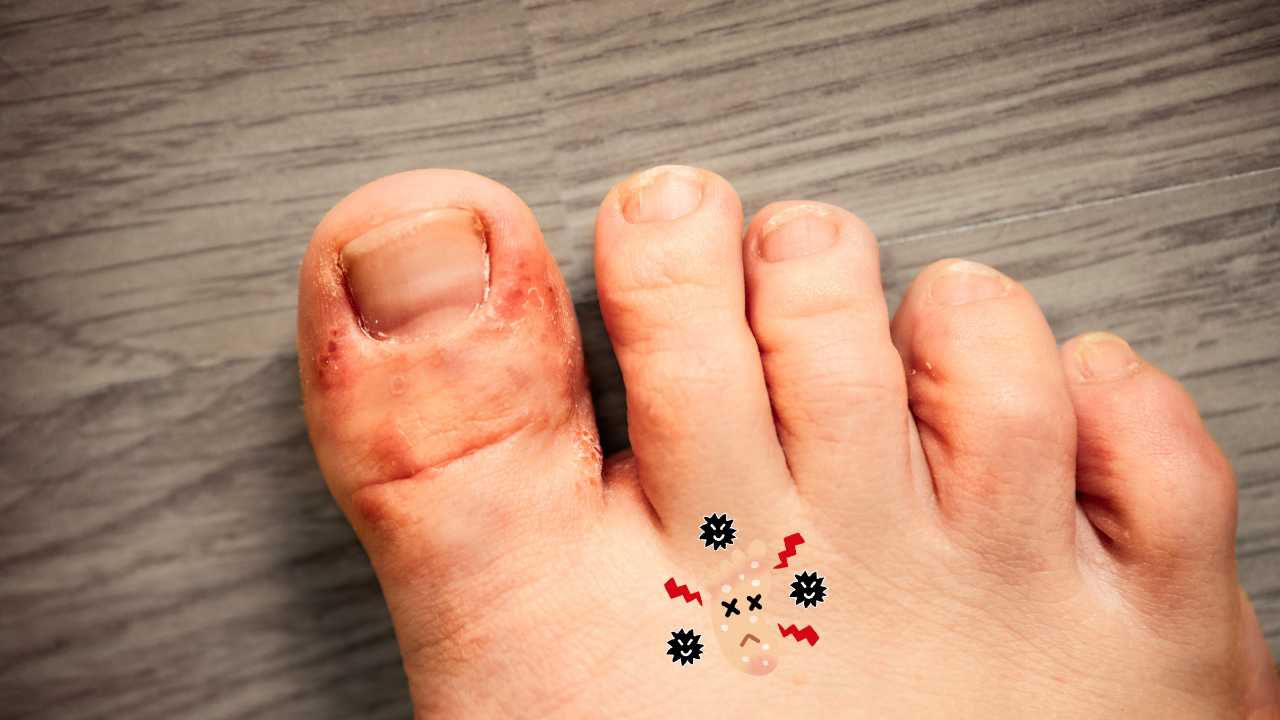
Athlete’s foot is a fungal infection of the skin, caused by dermatophytes, the same fungi behind ringworm and jock itch. It thrives in warm, damp places: sweaty socks, the inside of a gym shoe, the floor of a public shower. Left alone it spreads, and the itching, burning, and cracked skin between the toes only gets worse. The good news is that mild cases often respond to home treatment.
One honest framing first. Over-the-counter antifungal creams are the proven first-line treatment. The Cleveland Clinic points to antifungal products with clotrimazole, miconazole, or terbinafine as the most reliable option. The home remedies below can support a mild case, but they do not replace a real antifungal, and a few carry genuine risks. Here is what works, and what to skip.
What causes athlete’s foot, and how it spreads
Athlete’s foot develops when dermatophyte fungi take hold on the skin, and these fungi thrive in warm, damp environments. The classic causes are sweaty shoes and bare feet on the wet floors of locker rooms, gyms, and public showers, which is why these areas spread it.
It usually starts between the toes and can spread to the soles, the sides of the feet, and even the toenails. The common signs to watch for are:
- Itching, stinging, or burning between the toes or on the soles.
- Dry, scaly, peeling, or cracked skin.
- Redness, blisters, or a rash that may ooze.
Knowing how it spreads is important, because the same conditions that cause athlete’s foot let it come back. Mild cases respond to the remedies below, but a severe or persistent infection needs care.
Home remedies for athlete’s foot that have some evidence
None of these natural options is guaranteed to cure the infection, and a persistent or spreading case still needs a proper antifungal. But used early on a mild case, several can reduce symptoms.
1. Tea tree oil
Tea tree oil has the strongest research behind it. Its antifungal properties cleared the infection in 64% of users on a 50% solution versus 31% on placebo in a trial of 158 people, according to the National Center for Complementary and Integrative Health, which notes it may not work as well as standard creams. Mix it with a carrier oil like coconut oil to a 25% to 50% concentration and apply to the affected area twice a day. Never swallow it.
2. Ajoene (a garlic compound), not raw garlic
Garlic is the one to be careful with. A garlic-derived compound called ajoene has real evidence: in a study against the antifungal terbinafine, a 1% ajoene cream produced a 100% cure rate and a 0.6% cream cured 72% of cases, published in the Journal of the American Academy of Dermatology. The catch: that is a formulated product, not crushed cloves. Rubbing raw garlic on broken skin can cause a chemical burn, which the Cleveland Clinic warns is not worth the risk. Use a prepared ajoene product on the affected area instead.
3. Baking soda
Baking soda will not cure athlete’s foot, but it can keep the fungus from thriving by drawing moisture out of the skin. As the Cleveland Clinic puts it, slowing fungal growth helps, but it is not the same as curing the condition. Mix it into a paste with water, apply to clean feet, then rinse and dry. Use it alongside a real antifungal.
4. Vicks VapoRub
The camphor, menthol, thymol, and eucalyptus oil in Vicks have shown mild antifungal activity. The evidence is limited to small studies, mostly on toenail fungus, where a mentholated ointment produced partial improvement over weeks, reported in the Journal of the American Board of Family Medicine. For athlete’s foot and fungal infections of the nails, view it as a symptom-soother, not a cure. Apply a thin layer to clean, dry feet.
Soaks and other popular remedies (weaker evidence)
These come up in nearly every home remedy list. They are gentle and low-risk, but the research is thin, so set expectations accordingly.
5. Vinegar foot soak
A diluted vinegar soak may make the skin a less friendly environment for fungi, since vinegar is mildly acidic, though nobody has really studied its effect on athlete’s foot. Mix one part vinegar with two parts warm water, soak for 10 to 15 minutes, then dry. Skip it if you have open cracks, since the acid stings raw skin.
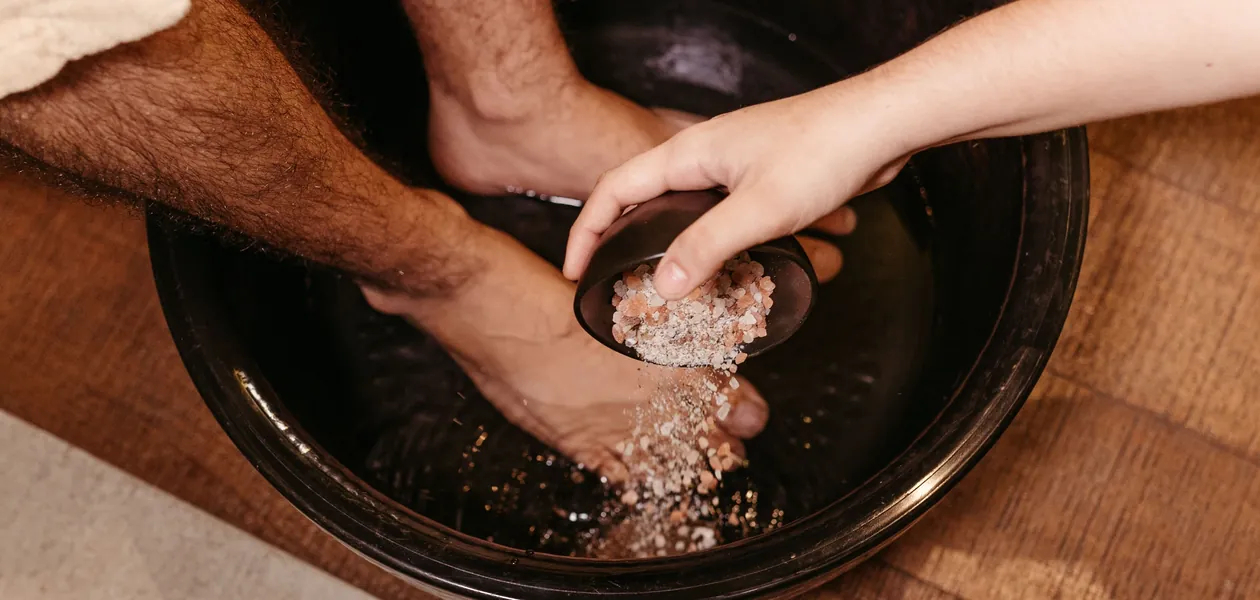
6. Sea salt soak
A warm salt water soak is another low-risk option some people find soothing for the itching and burning. Dissolve a cup of sea salt in warm water, soak the affected foot for about 20 minutes, then dry. Like the vinegar soak, it is about comfort, not a cure, so pair it with an antifungal.
7. Keeping the feet dry with powder
Because the fungus needs moisture to thrive, keeping your feet dry is one of the most useful things you can do. After drying your feet, dust talcum powder, cornstarch, or a medicated antifungal powder between the toes to absorb sweat and slow the spread. Do this daily before putting on socks.
How to prevent athlete’s foot from coming back
Clearing an infection is only half the battle. Athlete’s foot reinfects readily, so good foot hygiene is what keeps it gone. The American Academy of Dermatology recommends a few habits that cut your risk:
- Wear sandals in shared spaces. Put on shower shoes or flip-flops around pools, gyms, locker rooms, and hotel bathrooms, where the fungus spreads on wet floors.
- Wash and dry your feet daily. Clean them with soap and water, then dry completely, especially between the toes.
- Change socks often. Choose moisture-wicking socks and change them daily, or more often when they get damp.
- Rotate your shoes. Alternate pairs so each can dry out fully before you wear it again.
- Do not share towels or shoes. If someone in your home has athlete’s foot, keep towels, linens, and footwear separate to avoid passing it around.
These tips come from the American Academy of Dermatology. Most reinfections trace back to a damp shoe or a barefoot trip across a locker room.
When to see a doctor or podiatrist
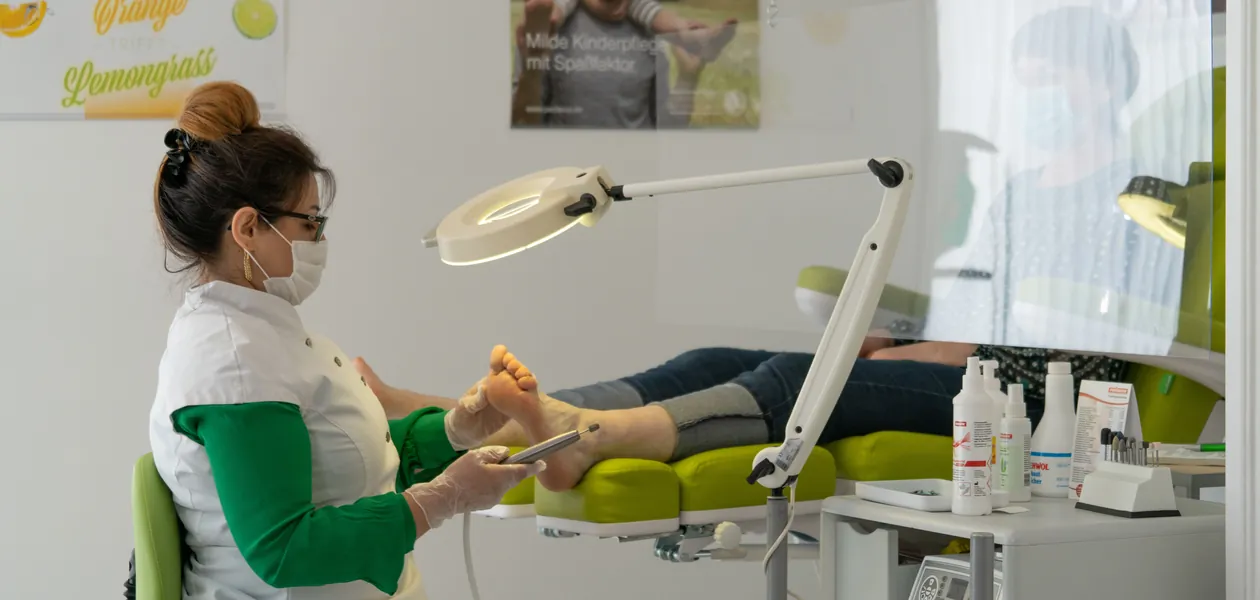
Home care works for mild cases, but some situations call for professional care. See a doctor, dermatologist, or podiatrist if:
- The infection does not improve after a couple of weeks of antifungal cream, or it keeps coming back.
- The skin is severely cracked, blistered, oozing, or shows signs of a bacterial infection (spreading redness, swelling, pus).
- The fungus has spread to your toenails, which usually needs prescription antifungal medications.
- The rash spreads beyond your feet, to your hands or groin, or the pain and itching disrupt daily life.
One group should skip home remedies entirely and get professional care: anyone with diabetes, a weakened immune system, or circulation conditions. The Cleveland Clinic is blunt that for these patients, opting for a home remedy is a dangerous move, since a minor foot infection can escalate quickly.
People with diabetes are also more prone to athlete’s foot. If that is you, treat any foot infection as a reason to call a doctor.
The bottom line
Most mild cases clear up with consistent care: an over-the-counter antifungal cream, plus keeping the feet clean and dry. Avoid the riskier folk remedies, raw garlic and undiluted rubbing alcohol in particular. If it is not clearing, keeps returning, or you have diabetes, see a professional rather than waiting it out.


