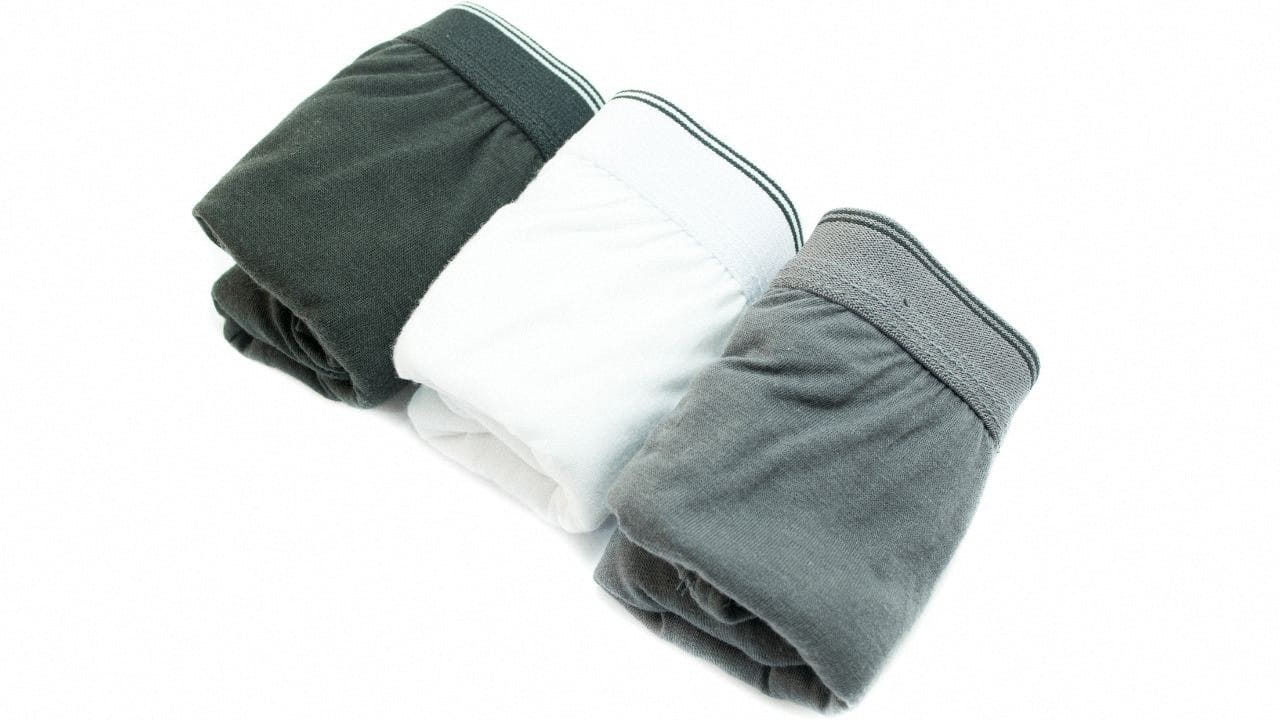
How often should you buy new underwear? The honest answer: when a pair stops earning its place in the drawer, which for most men who rotate eight to ten pairs works out to refreshing a few pairs every six to twelve months. There is no expiry date stitched into the waistband, and the calendar matters far less than the condition. I have kept comfortable, well-made pairs for years and thrown cheap ones away inside a couple of months; the fabric decides, not the date.

The Signs a Pair Needs to Go
You do not need a rule of thumb when the evidence is sitting in your drawer. Replace a pair when you see any of these:
Color fading is the first and most innocent sign. Regular washing simply pulls dye out of cotton over time, and a faded pair is not a hygiene problem, just a tired one. If they still fit and feel fine, fading alone can wait.
Dead elastic cannot. When the waistband rolls, sags, or has stopped snapping back, the pair is finished; elasticity does not come back, and underwear that will not stay put fails at its one job. The same goes for fit that has changed: stretched-out fabric that bunches or rides is a daily annoyance you do not need.
Holes and thinning fabric mean the pair is past the point of sentiment. And if you are getting recurring rashes or irritation, stop nursing old pairs along entirely: worn fabric holds on to bacterial buildup more stubbornly than fresh weave, and your skin is telling you something. Used-up underwear is the cheapest health problem you will ever solve.
How to Make Underwear Last Longer
Refreshing the basics extends upward, see our best dress shirts for men.
And to the rest of the wardrobe, like our guide to techwear pants.
The lifespan of a pair is mostly decided in the laundry. Hand-washing is the gentlest option for high-quality pairs, and nobody does it; the realistic version is a delicate machine cycle in a mesh bag, cold water, mild detergent. Hot water and aggressive cycles are what kill elastic and fade fabrics fastest.
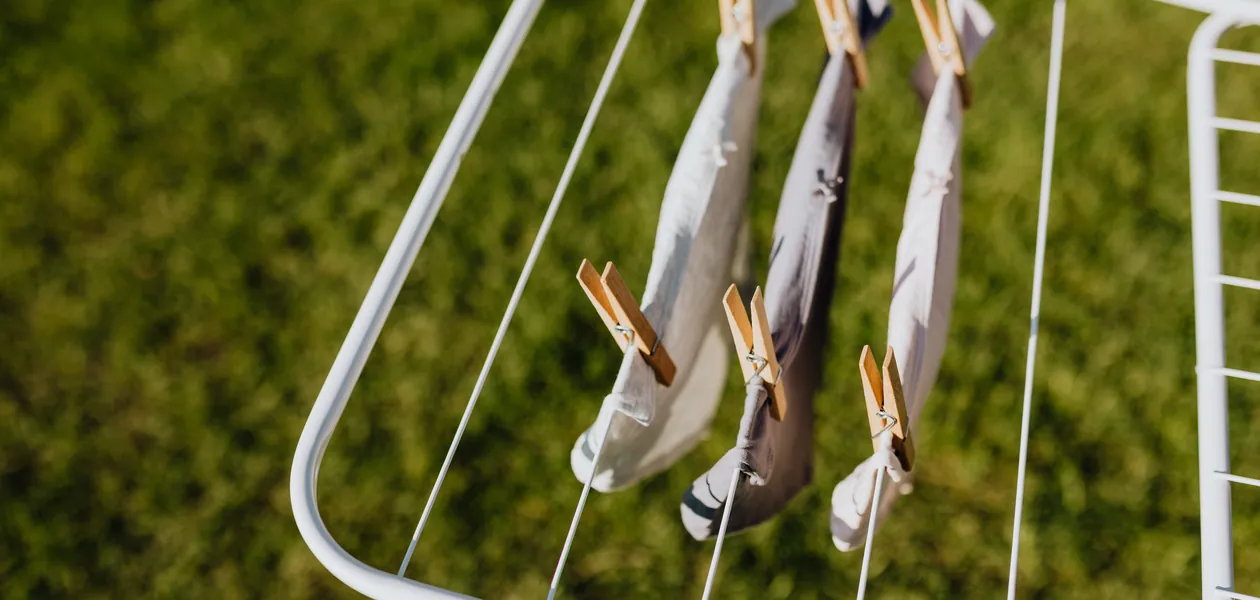
Drying matters even more. Heat is the enemy of elastic, so skip the dryer when you can and let pairs air-dry; they need only a few hours. Do that, and good cotton and modal fabrics will look and fit like new for years instead of months.
Rotation is the quiet trick. A drawer with ten pairs in regular use wears each pair half as fast as a drawer with five, so buying a few extra pairs is not indulgence, it is maintenance. When I find a style I like, I buy three of the same pair at once; the drawer stays consistent and no single pair gets worn to death.
Buy Replacements Like You Mean It

Finish the fit with our guide on how to choose suspenders.
When a pair does retire, replace it with something you actually want to wear: breathable cotton or modal, a waistband that fits today’s body, and a cut you have road-tested. If your rotation includes gym sessions, a proper athletic option is worth having too; our guide to shopping for a jockstrap covers that side of the drawer.
So, looking at the whole picture: check the drawer twice a year, retire what has faded, sagged, or worn through, wash the survivors gently, and keep the rotation deep. Your underwear does not need a schedule. It needs an honest audit.