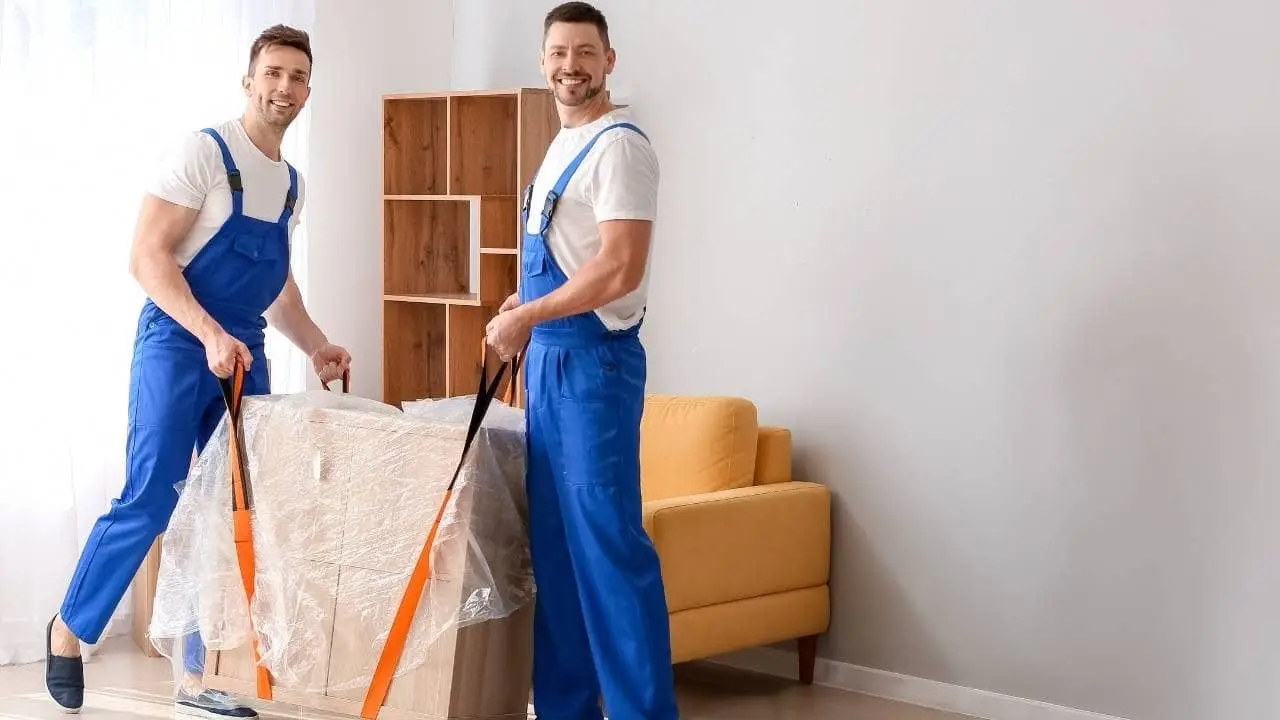
Whether you’re about to move or simply giving parts of your home a makeover, there are almost always large furniture pieces involved. And not all of them necessarily fit through the doors. You might wonder how you got them into your home in the first place.
Most furniture arrives in pieces to be assembled when bought new. The furniture guys that bring them around assemble them for you and you’ll never think about it again. Until the day you need to remove them. Generally speaking, it’s almost always easier to take apart your pieces for furniture removal. It makes it a lot easier to get them outside as the parts are better to handle. View more in our article for some top advice to go about this endeavor.
TL;DR
- Before you take anything apart, try every angle and lift your home’s doors off their hinges, because getting a piece out whole is quicker than any disassembly.
- Keep pliers, a screwdriver, a hammer and a rubber hammer, a staple remover and a circular saw at hand, and read the assembly manual if you still have it.
- Take a wardrobe or any cabinet apart in order: doors first, then shelves, drawers and the hanging rail, then the top, and the sides last so the top never falls on your head.
- A sofa can be sawn through the middle or trimmed at the bottom to fit the door, and a corner sofa unscrews into two pieces once you peel off the velcro on the bottom.
- For glued joints, drill small holes down to the joint, inject water or vinegar for old animal glue or acetone for white or yellow glue, wait at least 20 minutes, and keep the heat gun away until the acetone has evaporated.
One last try
If your furniture just doesn’t seem to fit through the door, try different angles first. Your furniture can move through the door in the most awkward angles. It doesn’t matter how, as long as it fits. A disassembly is rather time-consuming and you’re going to be done with the furniture removal much quicker if you can remove it in one piece. It may break your sweat, but at least you’d be done. It’s also useful to remove the doors in your home from their hinges. That often gains you the extra inch you desperately needed at the first attempt. If that hasn’t worked out either, the only way is the disassembly.
You’re going to need some tools
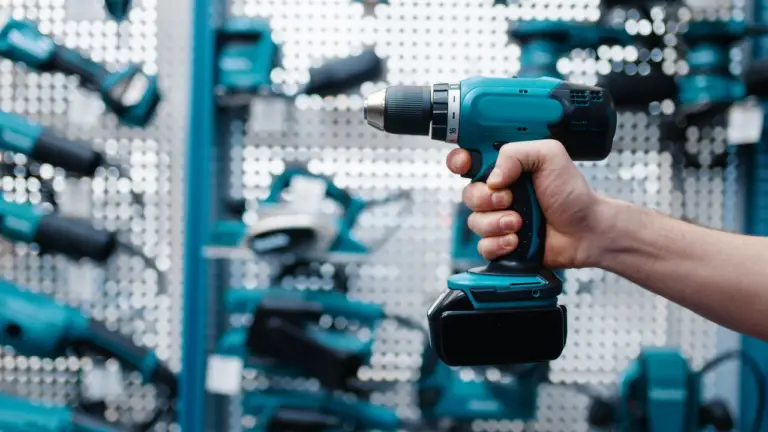
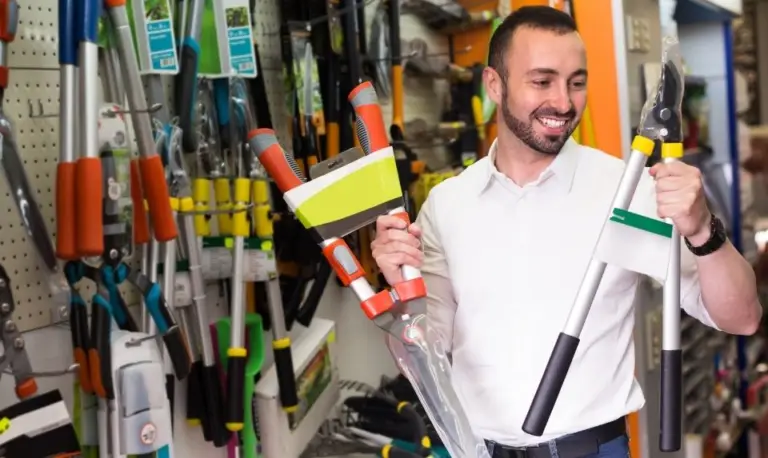
First off, before we head right into it, there are a couple of tools you better have at hand for furniture removal. These include:
- Pliers
- Screwdriver
- Hammer and rubber hammer
- Staple remover
- Circular saw
If you had the instruction manual for the assembly of your large pieces lying around somewhere, it’d be a huge help for you. If you plan to dispose of the old pieces completely, there is no need to avoid damage. But in some cases, it’s well worth a read to get an idea of where to start. You may also need a dumpster where you can put all your things and the large furniture. In that case, rent a dumpster. If you don’t know anyone who will rent you a dumpster, you can search for one on Google. If you live in Columbia try searching “rent a dumpster in Columbia, SC“ and you will get a list of companies that provide this service.
Taking apart a wardrobe
It’s going to depend on how your old furniture was put together to disassemble it. Let’s first imagine you’re taking apart a huge wardrobe for a huge furniture removal project.
At first, you’re removing the doors from your massive wardrobe. Take the screwdriver and remove the screws. It’s easy as pie. However, if you’ve got sliding doors, you’ll only have to lift them slightly to the back and there you go. Most of the sliding doors practically remove themselves. Take out the several inserted levels, drawers, and the hanging rail.
Those are usually not screwed or glued into your wardrobe and should be easy to remove. Then you go ahead with the top of the wardrobe. Look for the screws that connect it to the sides. If you started with the sides, the top would fall onto your head at some point. You can test with a hammer if you found all screws that connect it to the top. Just gently hit at it with your hammer from the bottom on the inside. Once you can lift it, remove it. Then you’ll only have to unscrew the sides and not be too gentle about it. If it’s meant to go to the landfill anyway, it won’t matter if the pieces are whole or not.
You can follow the same steps for any other cabinet as well. Remove the doors first, then the levels, then the top and the sides come apart with only little effort.
Taking apart a sofa
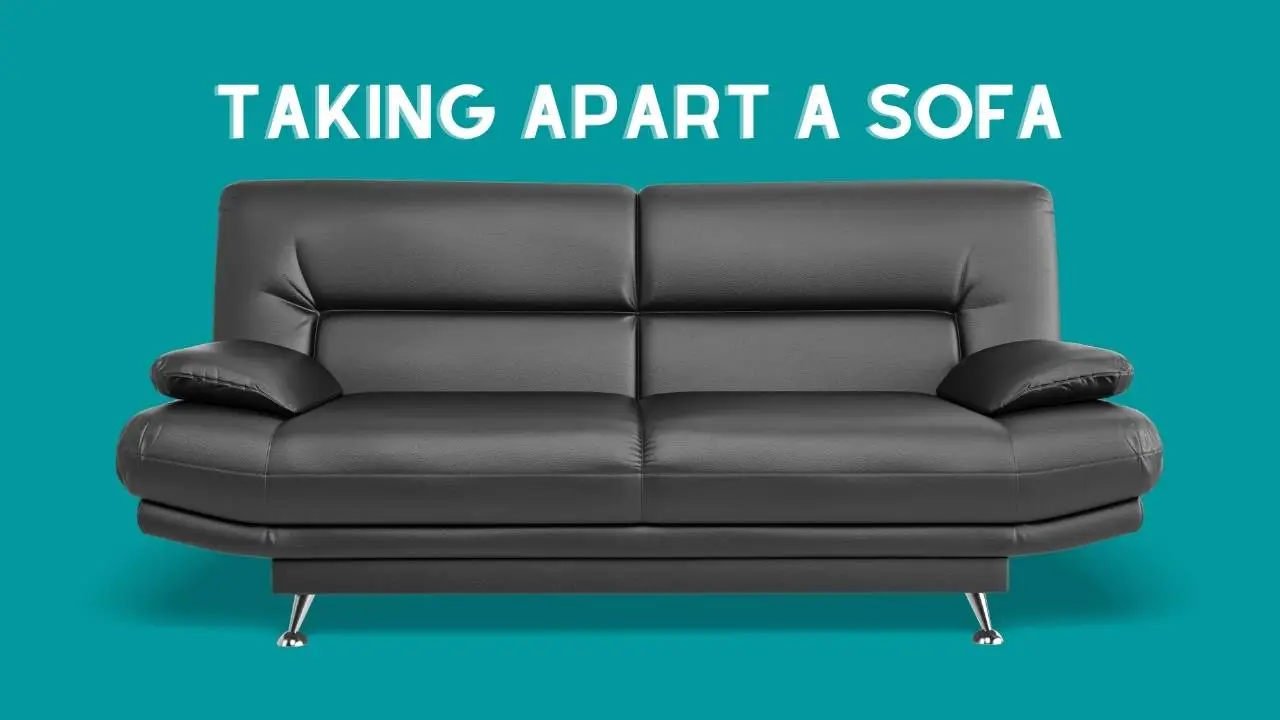
Large sofas are practical if you’ve got guests around and they are rather quick to disassemble for furniture removal.
Depending on how it fits best through your door, you can decide if you’re just going to take a saw and saw it through in the middle. Alternatively, you can saw off a part from the bottom so it does fit better through the door in a vertical position. If it is a corner sofa, there will be screws. You can find those as soon as you remove the velcro from the bottom that hides the insides. Take your screwdriver and unscrew any screws you can find. Within minutes, you should be able to take your sofa apart into two pieces. It should be a lot easier right now to remove it piece by piece.
Should you be unsure about the whole process and don’t quite dare it, ask a professional. In case your furniture removal is going to be done by a professional anyway, they may take care of the sofa. You only better give them a shout upfront.
Taking apart glued joints
With screwed joints, anyone can take apart large furniture within only a few minutes. But what are you going to do about glued joints? Either you’re going to be rough and just use a handsaw. Or you are taking advantage of an old trick for furniture removal.
Drill holes with even spaces right at the joints of the item you want to take apart. You should drill down to the direct joint. Drill up to four holes at legs or spindles. Depending on what you suspect was used as glue to fix the joints, you are going to use a solvent. For old furniture that was likely glued together with an animal-based glue, white vinegar or water will do the job.
If the furniture was glued with white or yellow wood glue, hot water or acetone is your go-to solvent, while epoxy and urethane glues hardly respond to solvents. Take a syringe, draw up a solvent that’s going to be fit for your purpose, and put it into the holes. Leave the furniture at least for 20 minutes to allow it to work. The best would be to leave it overnight, though. Then check whether it starts to move as you tap the parts with a hammer. If the joints still won’t come off, you can use a heat gun once any acetone has fully evaporated (it is highly flammable), but be careful with applying heat to wood.
Parting Words
Now you know the most comprehensive approach to taking apart large furniture. Let’s start to move excess furniture out of your way!
FAQ
How do you take a dresser apart?
The same way as a wardrobe or any other cabinet. Pull out the drawers and any shelves, remove the doors if it has them, then unscrew the top before the sides so nothing falls on you. If it is headed for the landfill anyway, you do not need to keep the pieces whole.
How do I disassemble furniture for moving?
First check whether you need to. Try different angles and take your home’s doors off their hinges, which often gains you the inch you were missing. If it still will not fit, read the assembly manual for an idea of where to start: screwed joints come apart within a few minutes, while glued joints need a solvent.
How do you dismantle a sofa for disposal?
Saw it or unscrew it. A regular sofa can be sawn through the middle, or trimmed at the bottom so it fits through the door upright. A corner sofa is held together by screws hidden under the velcro cover on the bottom, so unscrew them and it comes apart in two pieces within minutes. If you are unsure, ask a professional.
How do you take apart glued furniture joints?
Use a solvent that matches the glue. Drill up to four small holes down to the joint, inject water or white vinegar for old animal glue or acetone for white or yellow wood glue, and wait at least 20 minutes, ideally overnight. The CDC classes acetone as a flammable liquid, so let it evaporate before you use a heat gun.