
Tattoo pain by placement
Pick a placement (or tap the body map) to see its usual pain level, why it hurts and how it heals. The full chart is below.
| Placement | Reported pain | Saniderm 1 to 10 | Why, and healing |
|---|---|---|---|
| Head (scalp) | Very high | 9 | Many nerves and almost no fat or muscle over the skull. |
| Face | High | 7 | Varies by spot: forehead and chin hurt less, cheeks and under the eyes more. |
| Neck | High | 7 | The front has thin skin, many nerve endings and cartilage near the surface; the back and sides hurt less. Healing: Collars rub it while it heals. |
| Shoulder and outer upper arm Lower pain | Low | 4 | Muscle and some fat cushion the needle. |
| Inner bicep | High | 6 | Thin, sensitive skin over nerves that run down the inner arm. Healing: The arm rubs against the body, which makes healing harder. |
| Armpit | Very high | 9 | Very sensitive skin with many nerve endings, over the lymph nodes. Healing: One of the hardest spots to heal: friction, and no deodorant or shaving for about two weeks. |
| Elbow (inner and outer) | High | 8 | The inner elbow has little padding over nerves; on the outer elbow the needle works over bone. |
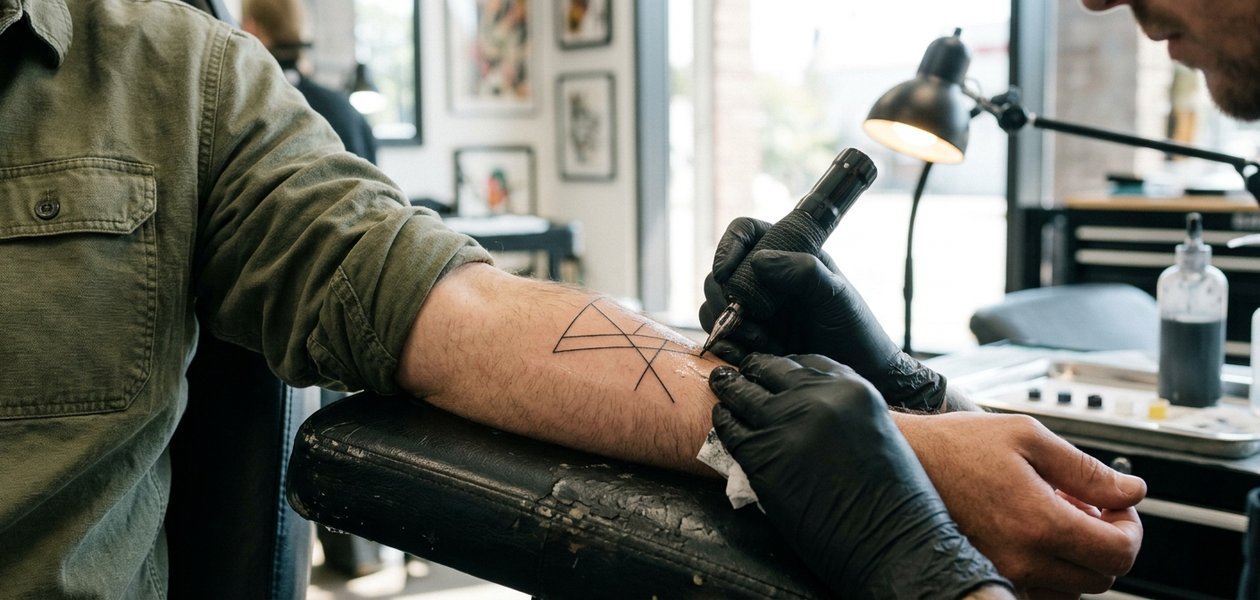
| Forearm Lower pain | Low | 3 | Muscle and firm skin; the outer forearm hurts less than the inner side. |
| Wrist | High | Not rated | Thin, tight skin close to bone; the feeling is often sharp and stinging. |
| Hands and fingers | High | 8 | Bony, with little padding and many nerve endings. Healing: Hard to heal and quick to fade from constant use; touch-ups are common. |
| Chest | Moderate to high (charts disagree) | 7 | One chart lists the chest as less painful; another rates it 7 for men, with the collarbone and nipples the worst parts. |
| Sternum | High | 7 | Thin skin directly over the breastbone. Healing: Hard for stomach sleepers while it heals. |
| Ribs | Very high | 9 | Thin skin with almost no fat or muscle over the rib bones; the soreness can linger after the session. |
| Stomach | Moderate to high | 5 | Some padding and no bone, but the skin is soft and sensitive. Healing: Hard for stomach sleepers while it heals. |
| Upper back Lower pain | Low to moderate | 5 | Thick skin with few nerve endings; the shoulder blades and spine hurt more. |
| Spine | High | Not rated | Bone and nerves right under the skin along the centre of the back. |
| Lower back | Low to moderate | 5 | Thick skin with few nerve endings; it hurts more near the spine. |
| Groin and inner thigh | High | 8 | Dense nerves near the genitals, and lymph nodes close by. Healing: Clothing rubs it constantly while it heals. |
| Outer and front thigh Lower pain | Low to moderate | 4 to 7 | Muscle and fat cushion it; the inner and back of the thigh hurt more. |
| Knee (front and back) | Very high | 10 | Bone right under the skin on the kneecap; thin, nerve-rich skin behind the knee. Healing: Hard to heal: the joint bends and rubs all day. |
| Calf | Moderate | 6 | Muscle padding; it hurts more toward the back of the knee and the ankle. |
| Shin | High | 6 | Bone right under the skin, which often gives a strong vibrating feeling. |
| Feet, ankles and toes | Very high | 9 | No fat or muscle padding, and sensitive nerves. Healing: Socks and shoes rub it while it heals. |
How the pain levels were put together
No clinical study has rated tattoo pain spot by spot, so the levels above combine three published charts built from what artists and clients report:
- Healthline’s medically reviewed guide, which sorts placements into more painful (bone, thin skin, many nerve endings) and less painful (fat, tight skin, few nerve endings).
- The chart from Saniderm, an aftercare bandage maker, which scores each area from 1 to 10 and adds healing notes.
- The chart from Ultimate Tattoo Supply, which grades placements from lower to high based on what clients say.
Where the three agree, the level is shown plainly. Where they disagree, as on the chest, the chart says so: Healthline lists the chest as less painful, while Saniderm rates it 7 out of 10 for men, who have less padding there than women.
What the research does show
A 2020 study of 1,092 tattooed adults found an average score of 4.35 out of 10 during the session: 4.48 for the 229 men and 4.31 for the 863 women, a difference the authors found was not significant. Pain after the session was lower, and there women reported more of it, 2.15 against 1.76 for men.
The same study found that broad body area (arm, leg, torso or neck) did not predict the pain score once other factors were counted. Longer sessions and higher stress before the appointment did, and the men sat longer: 40% of them spent more than 5 hours in the chair, against 17% of the women. So session length can matter as much as placement: a short forearm piece and a 3-hour rib piece are very different days.
That fits how pain researchers define pain. The International Association for the Study of Pain calls it “always a personal experience” shaped by biological, psychological and social factors, so any chart is an average, not a promise.
Picking a lower-pain first placement
All three charts point to the same easier spots for a first piece:
- Shoulder and outer upper arm: muscle and fat cushion the needle; Saniderm calls it a great spot for a first tattoo.
- Outer forearm: rated 3 out of 10, and easier than the inner side because of the nerve that runs along the inner arm.
- Outer and front thigh: lower pain on the fleshy front and side; the inner thigh is far worse.
- Upper back, away from the spine: thick skin with few nerve endings, though the shoulder blades are bonier.
Healing is part of the choice too. Spots that rub or bend all day, such as the armpit, inner bicep, hands, feet, knees and groin, are the hardest to heal according to Saniderm. Cleveland Clinic’s aftercare guide adds that healing time depends on size and placement: the top layer of skin is usually healed by about two months, and the deeper layers take several more.
Even with a licensed artist and careful aftercare, skin can still react, the American Academy of Dermatology warns. More on preparing for the day is in this guide to getting a tattoo for the first time, and size ideas are in these small designs for men.
A note on numbing products
Numbing creams need care. In March 2024 the FDA warned consumers about over-the-counter numbing products sold for tattooing with more lidocaine than the law allows. Absorbed through large areas of skin, broken skin or skin kept covered, they can cause an irregular heartbeat, seizures and breathing problems.
Painkillers are no shortcut either: in the 2020 survey, the 33 people who took one before the session reported more pain, which the authors put down to anxious, low-threshold clients being the ones who reach for them.
To compare two placements before booking, tap each on the body map at the top of this page.
