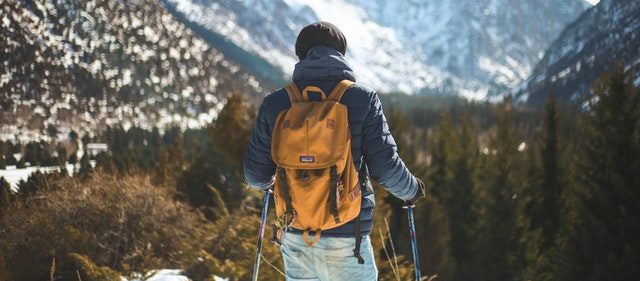
I have hiked enough trails, in enough weather, to have learned the same lesson the hard way more than once: the gear you forget is always the gear you needed. Over the years I have refined my pack down to a system built around what the National Park Service calls the Ten Essentials. These are not ten products. They are ten categories of preparedness that every hiker should carry on any hike, whether you are out for two hours or two weeks.
The Park Service is clear that you should tailor quantities to your trip length, group size, season, and terrain. So below I walk through each of the ten, with the exact products I actually pack, real prices, and the buying notes I wish someone had given me when I started. Prices are approximate US MSRP and current as of 2026, so verify before you buy.
The Ten Essentials, the Way I Actually Pack Them
Before the breakdown, two factors decide everything else. First, how long is the trip? Second, how remote is it? A short loop near the trailhead and a deep backcountry route call for very different quantities of the same ten categories. Once you have those two answers, the list below scales cleanly.
1. Navigation
The NPS recommends carrying a map, a compass, and a GPS. I treat that literally, because batteries die and clouds block signal. My battery-free backbone is a paper topographic map and a baseplate compass, and a Suunto A-10 runs about $20 to $25 and has lived in my pack for years. Learn to actually use them before your trip, because a compass you cannot read is dead weight.
For modern navigation and, more importantly, an emergency lifeline, I carry the Garmin inReach Mini 2 satellite communicator. It is about $399.99, weighs just 100 g (3.5 oz), and runs up to 30 days on a charge depending on your tracking interval. It gives you two-way satellite messaging over the Iridium network, interactive SOS, and GPS. The catch most people miss: it does nothing without a paid subscription. Garmin consumer plans run roughly $14.99 a month (Essential) up to about $49.99 a month (Premium), with a safety-only Enabled tier near $7.99 a month plus per-message charges, and a one-time activation fee of roughly $19.95 to $34.95. Budget for the subscription, not just the hardware. Download offline maps to your phone too, and bring extra batteries or a power bank.
For more, see our guide on survival kit for the modern gentleman.
2. Illumination
NPS lists a flashlight and headlamp, and recommends a headlamp because it keeps your hands free. I have never regretted choosing a headlamp on a descent that ran later than planned. My pick is the Petzl Actik Core (2025 version) at about $87.95. It throws 625 lumens max, weighs roughly 3.1 oz, and runs hybrid power: the included USB-C rechargeable Core battery, or three AAA batteries with no adapter needed. That dual fuel option is exactly what you want in the backcountry.
If you want a budget all-rounder, the Black Diamond Spot 400 runs about $50 to $55, puts out 400 lumens on high, ships with three AAA batteries, and is waterproof to IP67. Whatever you carry, bring one spare set of batteries, or a charged power bank if you run rechargeables.
The right bag matters on the trail, so see our guide to choosing a motorbike backpack.
3. Sun Protection
The Park Service spells this one out as sunglasses, sunscreen, and a hat, and at altitude or on exposed terrain I take it seriously. I carry a broad-spectrum mineral sunscreen rated SPF 30 to 50+ with 80-minute water resistance, and I go SPF 50 on high or exposed days. Reliable picks carried at REI include Blue Lizard Sensitive Mineral SPF 50, Sun Bum Mineral SPF 50 Lotion, and Badger SPF 50 Adventure Mineral Cream, all roughly $13 to $20. Reapply every two hours.
For eyes, choose lenses rated for 100% UV protection (UV400); category 3 lenses suit most daytime hiking. Add a wide-brim hat and UPF-rated long sleeves, and remember UV is strongest from 9am to 3pm. You can read REI’s deeper breakdown in their expert guide to choosing sunscreen.
4. First Aid
NPS advice here is practical: start with a pre-made kit, then modify it for your needs, check expiration dates, and add your personal medications. I do not build kits from scratch anymore because a good base kit is faster and lighter. For a weekend or small group I carry the Adventure Medical Kits Ultralight/Watertight .7, sized for one to two people over one to four days, weighing about 5.8 oz with two-stage waterproofing. For day hikes I drop to the .5 version, which is 100% waterproof, about 3.6 oz, and roughly $31.95.
Then I personalize it. Add your own prescription meds, any allergy medication, and serious blister care. Moleskin and Leukotape have saved more of my hikes than any bandage. Check the expiration dates twice a year so nothing surprises you on the trail.
5. Fire
NPS lists matches or a lighter plus fire starters, and tells you to check local fire regulations first, which is genuinely important in dry season. My rule is two independent fire sources plus tinder. My primary is a Bic Classic lighter at about $2 because it is cheap and reliable, but be honest: Bics fail when wet. So my backup is the UCO Stormproof Match Kit, roughly $8 to $10, which holds 25 stormproof matches and 3 strikers in a floating waterproof ABS case that fits up to 40 matches. Each match burns up to 15 seconds and relights after being submerged in water, which sounds like marketing until you watch it happen.
For wet or windy conditions, a ferro rod like the Light My Fire Swedish FireSteel works when nothing else will. Pack one if your trips run cold or remote.
Footwear matters just as much, which our look at maximal cushioning shoes covers.
6. Shelter
The Park Service counts a tent, space blanket, tarp, or bivy here, and the point is that you always carry something even on a day hike. What I reach for is the SOL Escape Bivvy, an emergency bivy with a full hood, drawcord, side zip, and foot box at about 8.5 oz. Because it is breathable, it produces far less condensation than a basic space blanket, which matters if you actually have to spend a night in it. The SOL Escape Bivy XL with hood runs about $103.50 at REI.
If you want the minimalist option for short day hikes, a simple SOL or Mylar emergency blanket weighs 1.75 to 3.5 oz and costs under $10. Carry one per person, no exceptions.
For more, see our guide on camping essentials.
7. Hydration
NPS says carry water and the means to treat more, and to drink often and before you feel thirsty. I plan for roughly 0.5 L per hour in heat and carry at least 2 L of capacity plus a filter. My long-standing pick is the Sawyer Squeeze at about $46, around 8 oz with its 32 oz pouch. Its 0.1-micron absolute hollow-fiber filter removes 99.99999% of bacteria and 99.9999% of protozoa, including giardia and cryptosporidium, which exceeds EPA standards. It flows around 1.7 L per minute and is backflushable, so it lasts.
If you want slightly lighter and faster, the Katadyn BeFree is about $53, roughly 2.3 oz with its 1 L flask, and flows around 2 L per minute. The 2025 AC version adds a tougher flip lid and optional activated carbon for taste. The tradeoff is that it is not backflushable, so its lifespan is shorter than the Sawyer’s.
8. Nutrition
The Park Service tells you to pack an extra day’s supply of no-cook, nutrient-dense food, and that emergency reserve is the part most people skip. I plan for roughly 200 to 300 calories per hour of activity, then add one full extra day of no-cook food on top. Trail mix, nuts, granola, and energy bars do the job; a Clif Bar runs about 250 calories each and packs flat. The goal is simple: always carry more than your planned meals so a delay never turns into a real problem.
9. Extra Clothing and Insulation
Heading further out? Our no-fuss guide to camping has you set.
NPS lists a jacket, hat, gloves, rain shell, and layers, and tells you to pack for worst-case weather. They also note that bright colors aid rescue visibility, which is a detail worth remembering when you pick that jacket. For insulation I carry the Patagonia Nano Puff Insulated Jacket at about $229, frequently discounted to roughly $115 to $140. Its 60-g PrimaLoft Gold synthetic fill stays warm even when wet and packs down small. In damp conditions I take synthetic insulation over down every time.
Regardless of the forecast, I also pack a waterproof rain shell, a warm hat, and gloves. Mountain weather does not check your forecast before it changes.
For more, see our guide on dressing for colder weather.
10. Repair Kit and Tools
NPS rounds out the list with duct tape, a knife, a multi-tool, and scissors. My everyday carry is the Leatherman Skeletool or Skeletool CX, about 5 oz, with a knife, pliers and wire cutter, bit driver, and bottle opener, running roughly $70 to $100. For ultralight trips I drop down to the Victorinox Swiss Army Classic SD, about $25 to $30 with 7 functions including scissors and a blade, or step up to the Huntsman with 15 tools and a saw when I need more capability.
Then I add the cheap stuff that punches above its weight: 3 to 5 ft of duct tape wrapped around a trekking pole or water bottle, plus a few feet of cord. The Park Service also reminds hikers to bring a trowel and waste bags to Leave No Trace, which is part of being a responsible hiker, not an optional extra.
How to Scale the List to Your Trip
The ten categories never change, but the quantities should. On a short, well-traveled day hike I trim to a minimal first aid kit, a Mylar blanket, one fire source plus backup, and a single spare battery set. On a remote multi-day route I scale up across the board: the full inReach with an active subscription, the larger watertight first aid kit, the breathable bivy, more calories, and a real insulating layer. Match the gear to the distance, the remoteness, the season, and the size of your group, and you will carry exactly what you need and very little you do not.
Final Word From the Trail
The Ten Essentials are not a gear list to buy once and forget. They are a habit. The first few times you pack them it feels like overkill, and then one trip runs long, or the weather turns, or a stream you counted on is dry, and the whole system earns its place in your pack. Build it once around the picks above, learn to use every item before you need it, and then make carrying it automatic. That is the difference between getting lucky outdoors and being genuinely prepared.