After years of commuting and touring on two wheels, the gear decision I see riders get wrong most often is not the helmet. It is the backpack. A good motorcycle backpack disappears at speed. A bad one wanders on your shoulders, soaks everything inside in the first rain shower, and ruins the ride.
I’ve worn a reliable backpack on almost every commute for years, and I learned what separates a true motorcycle backpack from an ordinary school bag. Here is exactly what I check before buying, the brands I trust, and the mistakes I want you to avoid.
What I Check Before Buying a Motorcycle Backpack
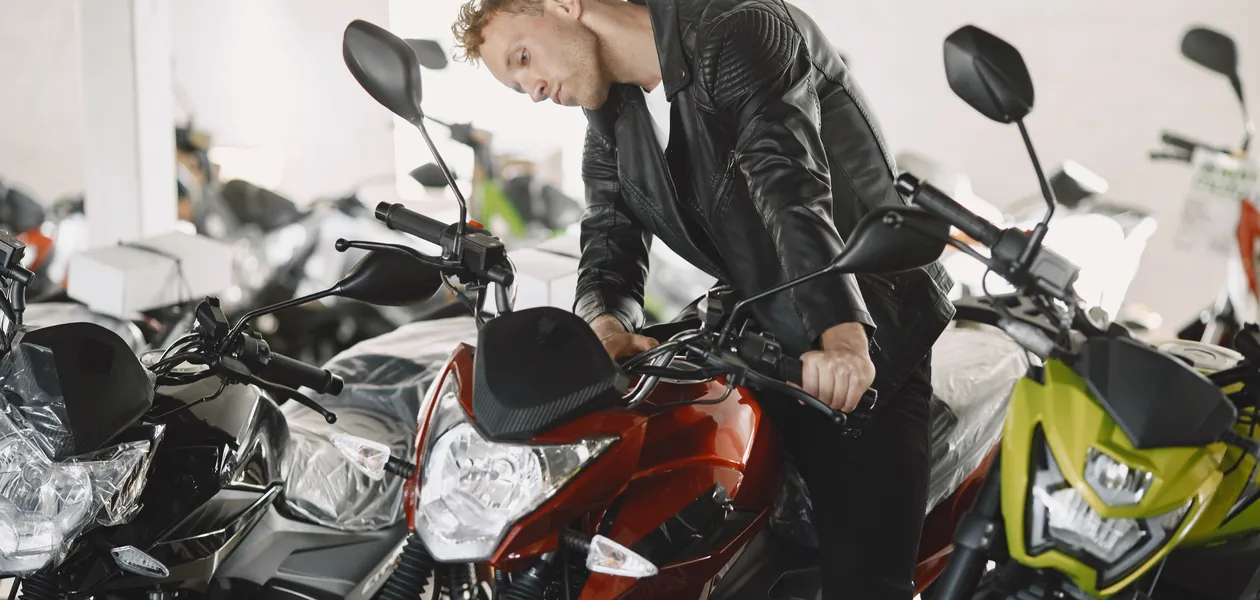
Fit and stability come first
A riding pack is not a hiking pack. At highway speed the wind grabs anything loose, so the pack must sit tight against your back. The rule I follow: try it on over your riding jacket, never a t-shirt.
- Shoulder straps: wide, padded straps spread the load; thin ones dig in within an hour.
- Sternum and waist buckles: a chest strap plus a waist belt keep the bag planted so it cannot shift.
- Back panel: a contoured, ventilated panel keeps air moving on warm days.
Capacity and size
Most motorcycle backpacks run from about 15 to 40 liters. Bigger is not better: past 40 liters a pack gets bulky, catches wind, and raises your center of gravity. I size by the job instead.
- Under 10 liters: essentials only: wallet, phone, gloves, and a water bottle.
- 15 to 25 liters: the commuter sweet spot, with room for a laptop, lunch, and a change of clothes for the office.
- 30 to 40 liters: multi-day capacity for touring and longer trips.
Weather protection
For what to pack, our hiking checklist is a useful companion.
If you ride often, you will ride in rain. I treat rain protection as non-negotiable: either a waterproof main compartment or an included rain cover. Check the zippers too, since cheap ones are the first place water gets in.
- Waterproof roll-top or sealed zippers: the most reliable way to keep a downpour out.
- Included rain cover: a fine budget alternative if it secures tightly at speed.
Storage and organization
Think about the items you actually carry every day, then match the pockets to them. I want my small items reachable at a fuel stop without digging. Some larger packs add a helmet carry system for the walk into the office.
- Padded laptop sleeve: essential for commuters; padding matters more on a bike than in a car.
- Outer zip pockets: easy access for your phone, earplugs, and spare glasses.
- Hydration compatibility: a hydration bladder pocket and hose port for hot days.
Build quality and rider safety
A pack lives a hard life on a bike, so inspect the stitching at the anchor points first. Tough fabric responds well to basic care too; my guide to keeping sports gear in top condition applies here. The features I look for:
- Reinforced stitching: double stitching at the straps is the difference between five seasons and one.
- Reflective panels: free visibility at night, at no cost to style.
- Back protector pocket: some riding packs accept a CE-rated insert under the EN 1621-2 back protector standard, a genuine safety upgrade.
How to Wear a Motorcycle Backpack Properly
Function meets style, and our picks for the best dress shirts for men round it out.
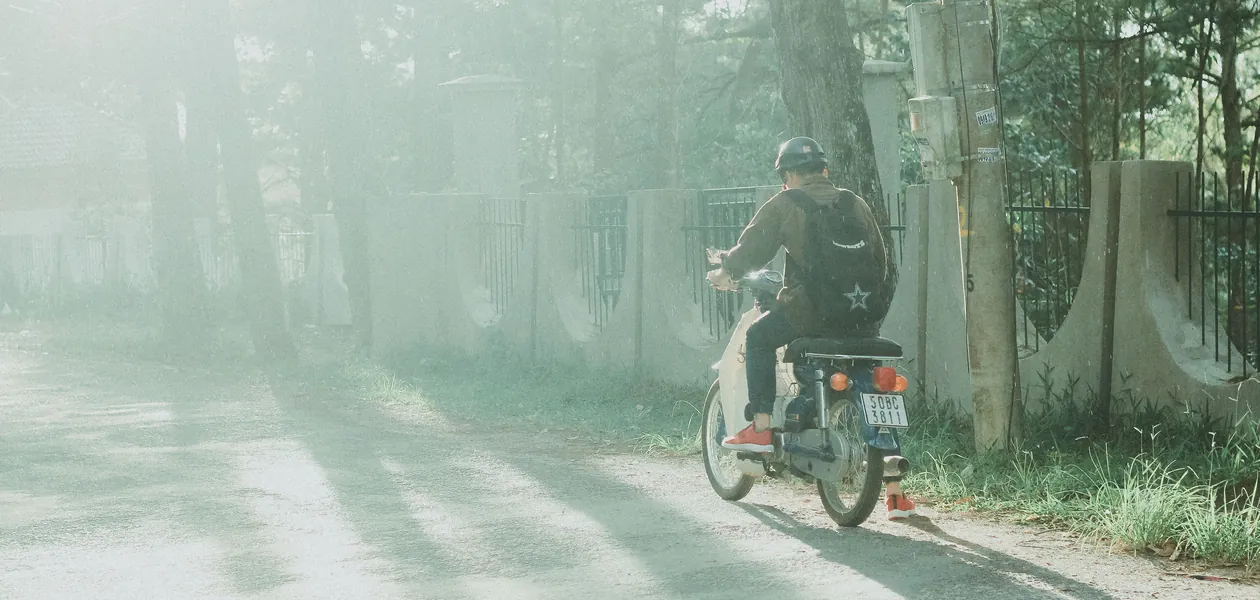
Even the best pack fails if you wear it loose. The Motorcycle Safety Foundation’s loading guidance says to secure every load and keep weight close to the bike’s center of gravity. The same thinking applies to what a rider wears on his back.
- Tighten the shoulder straps first, then the sternum buckle, then the waist belt.
- Load the heavy stuff low and against your spine, not at the top of the bag.
- Tuck away loose ends so nothing flaps or whips at speed.
Heavier loads belong in saddlebags or tail bags, not on your spine. And an unsecured load is more than uncomfortable; it can become a liability question after a crash, so know your rights as a rider before you need them.
The Best Motorcycle Backpack Brands
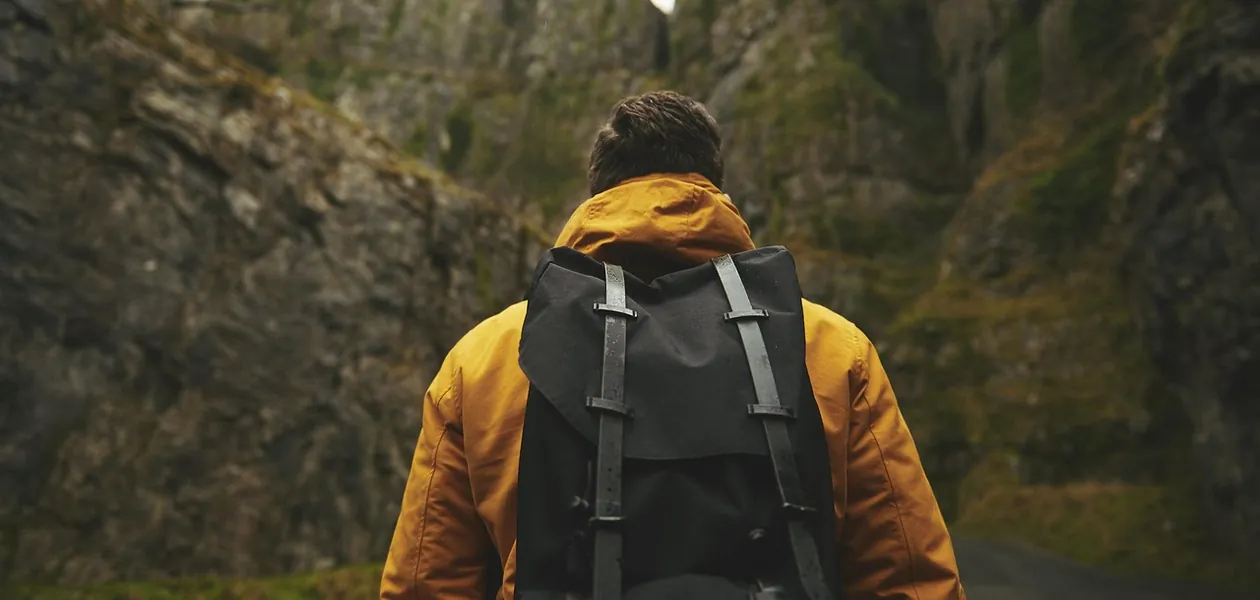
Brands matter more here than in most categories: riding-specific products solve problems ordinary bags ignore. These names hold up, ride after ride:
- Kriega: riding-specific harness systems with a loyal following among sportbike riders.
- Ogio: sleek, aerodynamic shells built for high speeds.
- USWE: a bounce-free harness design that came out of off-road racing.
- Alpinestars: protective gear heritage carried into everyday packs.
Price, Ordering, and What to Spend
Planning a bigger trip? Our backpacking through Europe guide covers the long haul.

A decent commuter pack sells at a low price, often under 100 dollars, while riding-specific designs typically run 150 to 250 dollars. My advice: buy once, cry once. A high-quality pack outlasts three cheap ones.
Fit is personal, so order from a retailer with an easy return policy. Most major motorcycle retailers offer free shipping on orders over a modest threshold, so use that to your advantage.
My Final Checklist

Run your shortlist through this quick check of the features that matter:
- Fits over your jacket with everything cinched and no shoulder pinch.
- Size matches your routine, daily commute or multi-day touring, with a little extra room.
- Weatherproof enough for your climate, with a solid main closure or rain cover.
- Built to last: clean stitching, tough fabric, reflective accents, and storage that fits what you carry daily.
Choose with these factors in mind and the backpack disappears, which is exactly the goal. The best kit is whatever you stop noticing, so your mind stays where it belongs, on the ride.