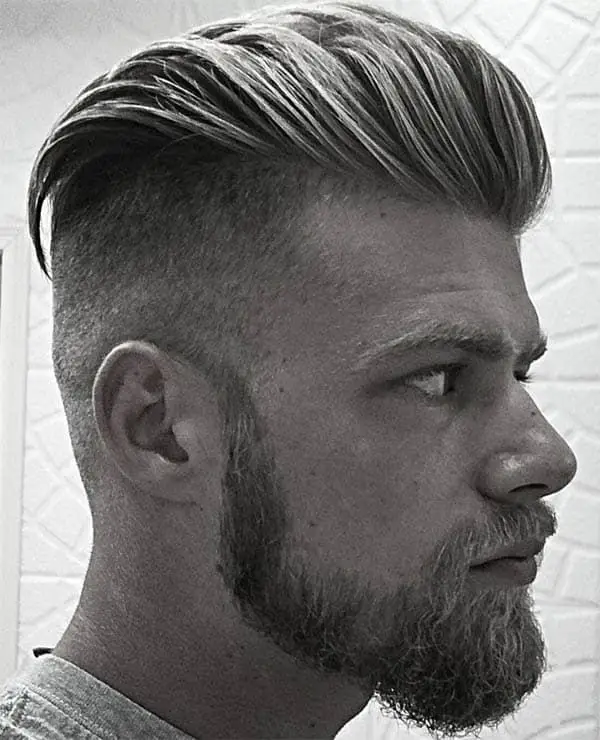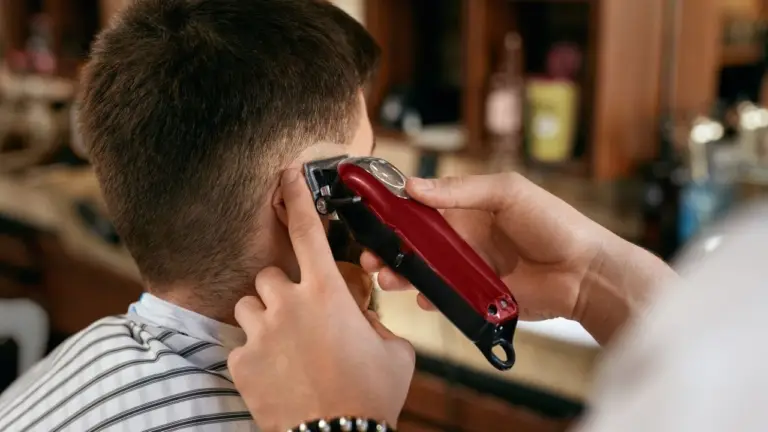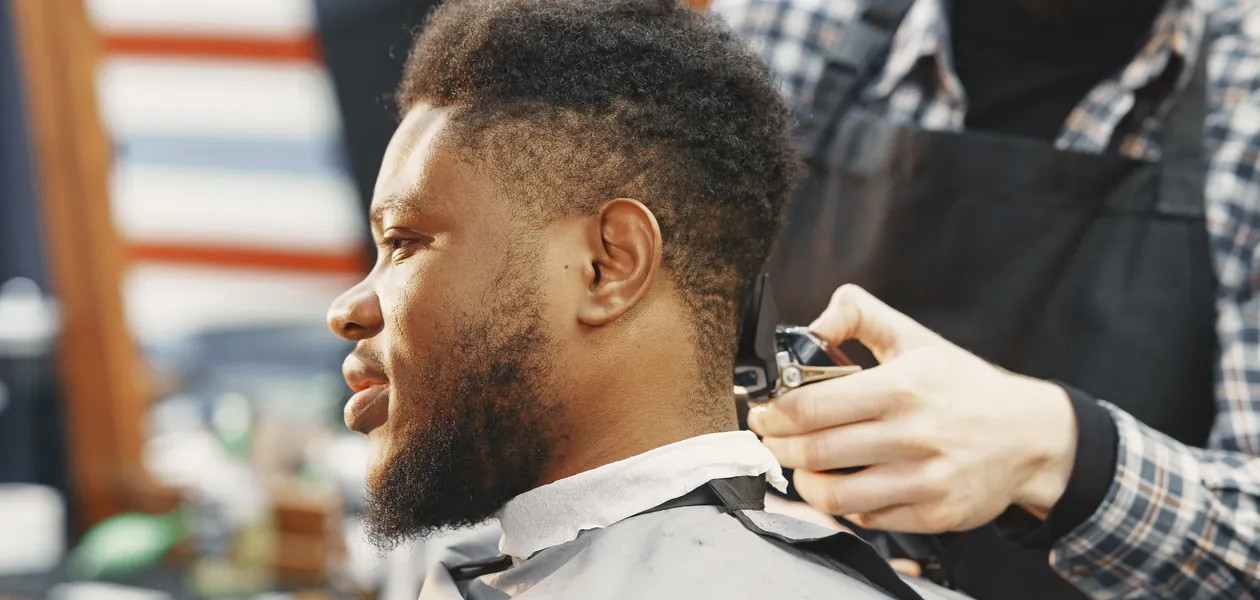
A low taper fade is a men’s haircut where the hair gets gradually shorter only along the bottom edge: at the sideburns, around the ear and down the neckline. The top and most of the sides keep their length, and the taper starts lower than a mid or high fade, so it looks sharp without heavy contrast.
That restraint is the whole appeal. You keep volume and texture up top, whether that’s a textured fringe or curls, and the clean edges are easy to maintain. If you want a fresh haircut that still passes in a conservative office, it is the safest fade to ask for, whatever the shape of your head.
Below: how it compares with a low fade, a skin fade and the higher fades, what to say in the chair, the styles it pairs with, and how to keep it looking natural between visits.
TL;DR
- A low taper fade shortens the hair only along the bottom edge, at the sideburns, around the ear and down the neckline, while the top and most of the sides keep their length.
- A low fade blends the whole lower half of the head and a skin fade takes a wider area to bare skin, so the low taper shows the least contrast of the three.
- Ask your barber with photos and four details: where the taper starts, the guard or skin at the bottom, the length on top, and a natural or blocked neckline.
- The cut pairs with almost any top, from a textured fringe or blowout to curls, waves, a slick back or a buzz cut, and it suits most face shapes and hair types.
- Hair grows about 4 to 6 inches a year, so plan a cleanup every three to four weeks for a guard finish and every two to three weeks if the nape goes to skin.
What Is a Low Taper Fade?
In barbering, a taper is a back and sides that graduates from longer hair higher on the head to shorter hair at the edge of the hairline. The low taper fade keeps that shortening to a narrow band at the very bottom: above and behind the ear, and across the nape.
Where the Low Taper Starts and Stops
The taper begins just above the ear and ends at your natural hairline: the sideburns, the curve around the ear and the neckline. At the very bottom, the hair is clipped to a short guard or taken to bare skin, and both versions get called a low taper fade.
The top is free. It can be an inch of texture or enough length to slick back, which is why the same base shows up under so many styles.
Is a Low Taper a Fade?
Sort of. Strictly, a taper keeps some length and a fade blends down to skin, but many barbers say “taper fade” for a soft taper that finishes at skin right at the hairline. Treat the name as a starting point, then describe exactly what you want.
Low Taper vs Low Fade vs Skin Fade
These three get mixed up constantly. They can start at the same height; the difference is how much hair comes off and how far up the clippers work.
Low Taper vs Low Fade
A low fade runs a gradient around the whole lower half of the head, blending through a few guard steps. A low taper only tidies the edges and leaves the sides fuller. From the side, a low fade reads as a fade, while a low taper reads as a clean, finished haircut.
Low Taper Fade vs Skin Fade
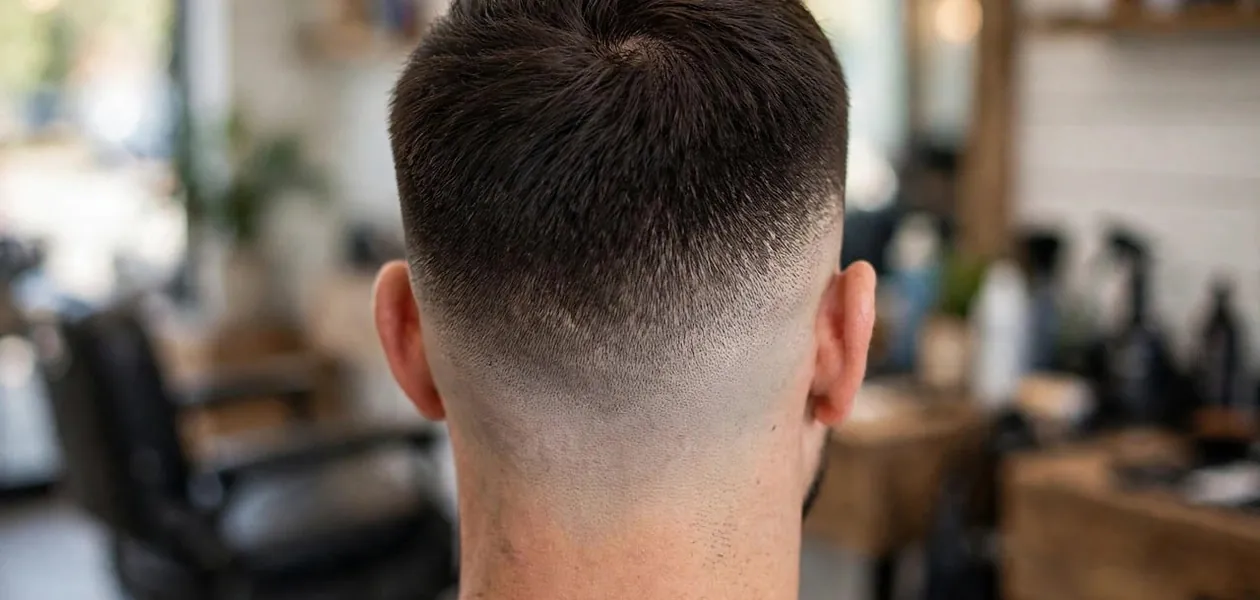
A skin fade takes the bottom of the gradient to bare skin and often climbs toward the temple. The contrast is high, and it looks fresh for the shortest time. A low taper fade may touch skin at the nape too, but over a much smaller area, so it grows out without an obvious line.
Low Taper Fade vs Mid and High Fade
Low, mid and high describe where on the head the shortening starts. The higher it starts, the more scalp shows and the bolder the cut looks.
Mid Taper and Mid Fade
A mid taper or mid fade starts around the temple, roughly halfway up the head. It adds definition at the sides for men who want more edge than a low taper while staying office friendly.
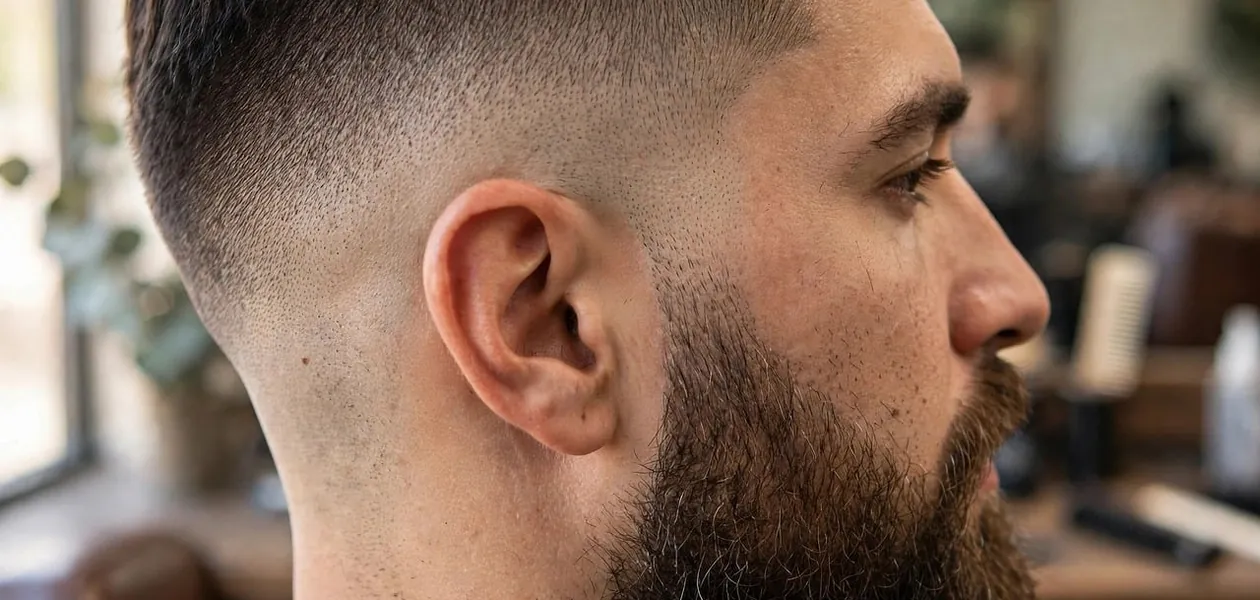
High Fade
A high fade starts near the corners of the hairline, so most of the sides are short. It gives the most contrast and makes the top look taller, but it shows every week of growth. Unsure? Start low, because a low taper leaves room to go higher next visit.
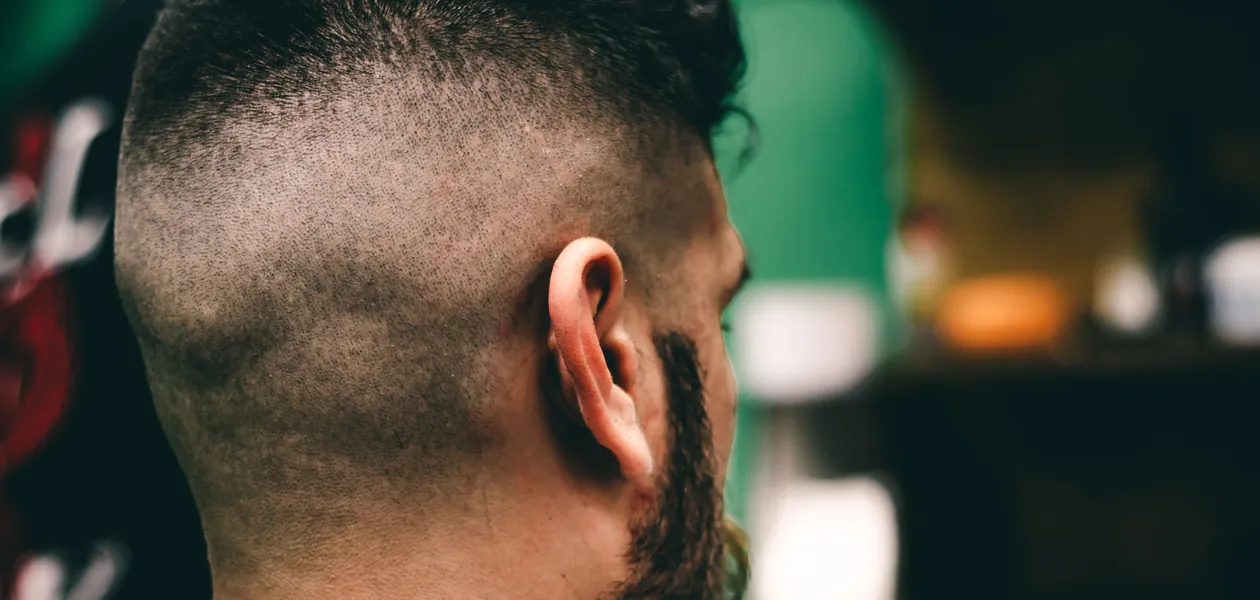
How to Ask Your Barber for a Low Taper Fade
Saying “low taper fade” and stopping there is a gamble, because shops use the words differently. Bring photos of the side and back of the cut, then cover four points:
- Where it starts. Point to the spot just above your ear where the taper should begin.
- How short it goes. Name the guard for the bottom, or say “skin” if you want the nape bare.
- How much stays on top. Give a length in inches, or say “just tidy the top” if you’re keeping it.
- The neckline. A tapered, natural neckline grows out softly, while a blocked (squared) one looks crisp but needs more upkeep.
Guard numbers help, but they aren’t universal. Wahl’s clipper length guide puts a #1 at 1/8 inch (3 mm) and a #4 at 1/2 inch (13 mm), notes that sizes can differ between brands, and says a fade typically blends guards from #0 to #4.
Put together, it sounds like this: “Low taper, starting just above the ear, down to a #1 at the nape, natural neckline, and about two inches left on top with some texture.”
My habit in the chair: I name the guard for the nape and touch the spot above my ear where the taper should stop. Ten seconds, and most of the guesswork is gone.
Best Low Taper Fade Styles to Pair It With
The low taper is a base, not a finished look. What you do on top decides the style.
Textured Fringe or Textured Crop
The most requested combination right now: a choppy top pushed forward, with clean edges that stop the messy texture from looking unkempt. A textured crop is the shorter version and needs barely any product.
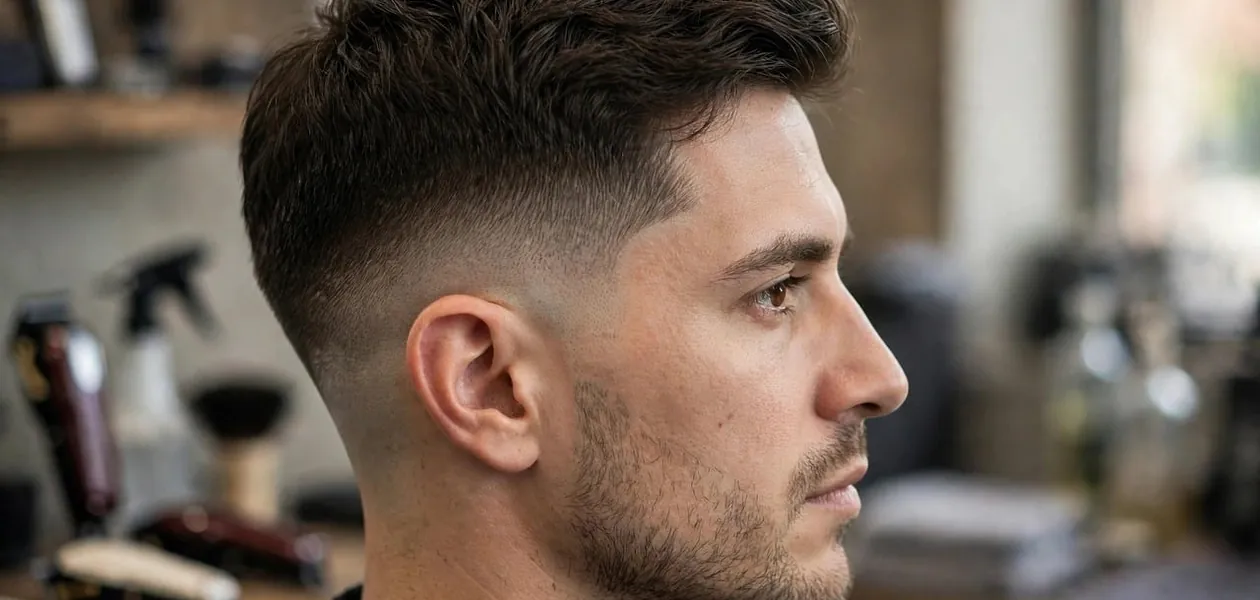
Low Taper Blowout
The top is blow-dried up and back for height while the taper keeps the sides tight. That lift makes it a good choice for a round face, and the volume helps fine hair look fuller.
Curly Hair
A low taper is one of the best cuts for curls. It removes bulk around the ears and neck, where curls tend to puff out, and leaves the curl pattern on top alone. Ask for the top to be cut with scissors so the curls keep their shape.
Straight Hair and the Middle Part
Straight hair shows clipper work clearly, so a soft, gradual taper matters more here. Worn long on top with a middle part or curtains, it gives a relaxed look with tidy edges.
Waves, Twists and Afro Texture
On Black hair, a low taper keeps the hairline crisp while 360 waves, twists or a rounded afro do the talking. Most barbers finish it with a line-up at the forehead and temples, and that sharp line needs a refresh sooner than the taper does.
Slick Back and Comb Over
Leave three inches or more on top and comb it back or to the side with pomade. The low taper keeps it modern without an undercut’s shaved sides, so it sits well with a suit.
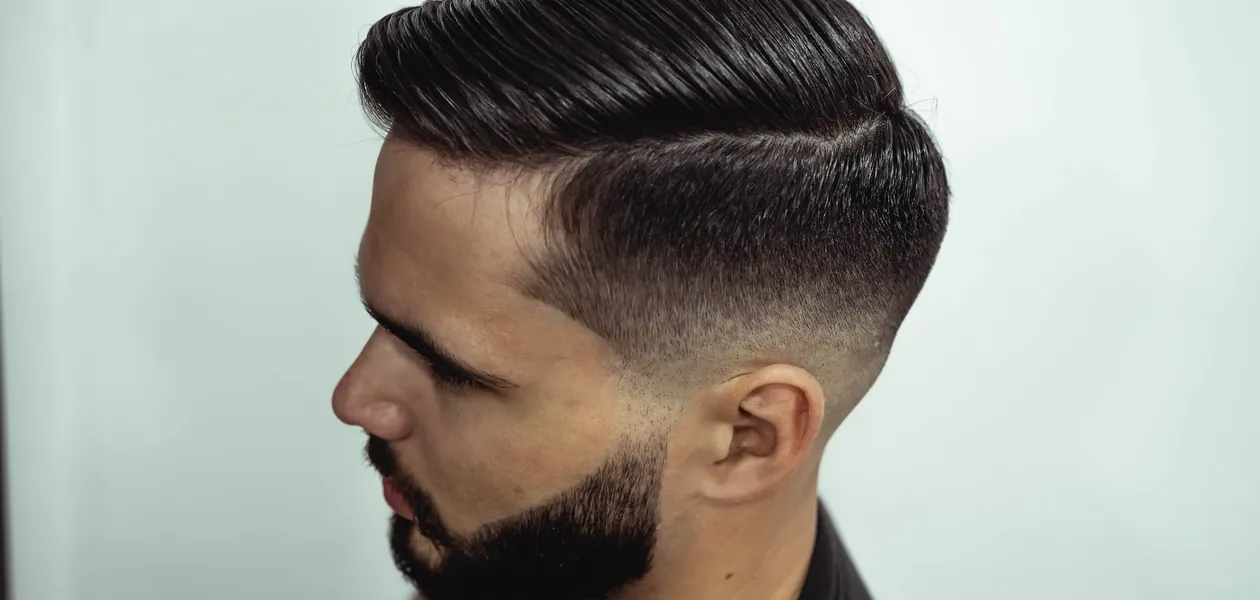
Low Taper Buzz Cut
Even a buzz cut gets sharper with a low taper. The top stays at one guard length and only the edges drop shorter, so the cut looks deliberate rather than done at home.
Does a Low Taper Fade Work for Your Face Shape and Hair Texture?
It suits most men because it changes so little of your outline. What decides how good it looks on you is your face shape and hair type.
A low taper keeps width at the sides of the head. That balance suits an oval, long or square face. On a round face, add height with a blowout or quiff so the cut draws the eye up, or move the taper up to a mid.
Thick, coarse hair benefits most, since the taper removes bulk exactly where it builds up. Fine or thinning hair does better with a taper that stops at a short guard instead of skin, so the scalp doesn’t show through at the sides.
It is also office-safe: a low taper is the fade least likely to draw a second look in a boardroom or a job interview.
How Long a Low Taper Fade Lasts (and How to Maintain It)
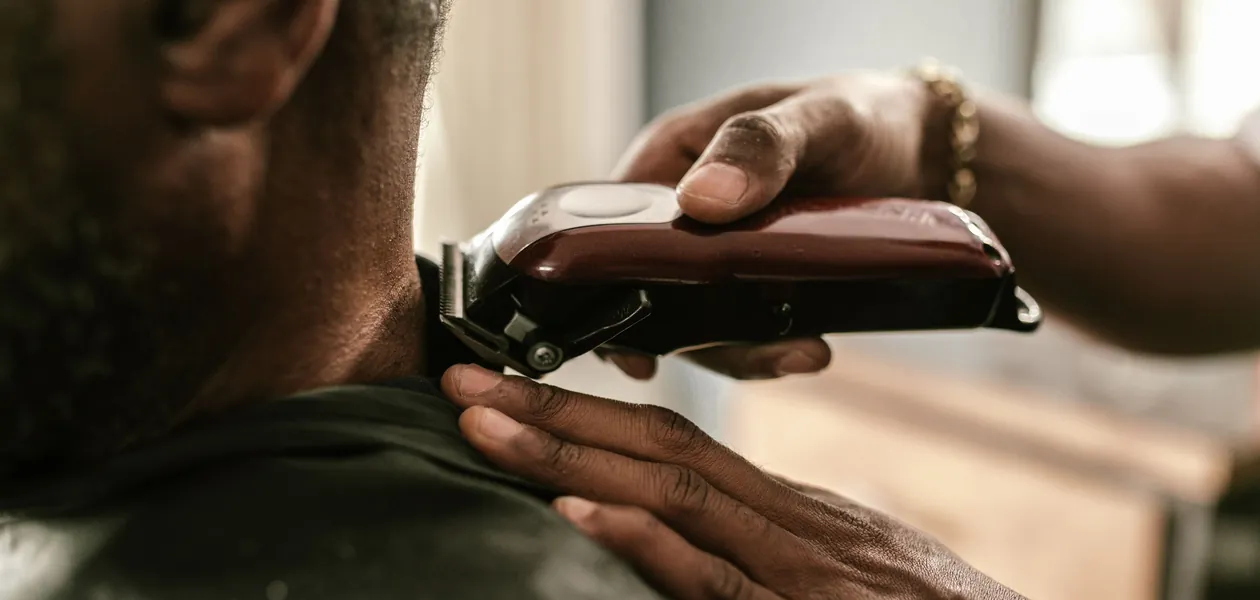
Scalp hair grows about 4 to 6 inches a year, according to Cleveland Clinic, or roughly a third to half an inch a month. A #1 leaves 1/8 inch at the nape, so two weeks of growth makes the shortest hair two to three times as long, and the blend starts to blur.
A soft taper hides that growth better than a skin finish. Plan a cleanup every three to four weeks for a taper that stops at a guard, and every two to three weeks if the nape goes to skin.
Between visits, three habits keep it sharp:
- Clean the neckline yourself. A trimmer along the nape and around the ears buys a few extra days, as long as you stay below the taper.
- Wash less, condition more. Shampoo every two or three days instead of daily so the top doesn’t dry out; the ultimate guide to haircare for men covers the full routine.
- Book the next cut before you leave. The taper looks best when it never grows past the point where the blend disappears.
How to Style a Low Taper Fade

Styling happens on top, because the taper itself needs nothing. Towel-dry, give the roots a quick blast with a hair dryer for lift, then use the product that matches your look:
- Matte clay or paste for a textured fringe, crop or messy top: strong hold, no shine.
- Pomade for a slick back, side part or comb over: a smoother finish with some shine.
- Sea salt spray or curl cream for waves and curls: grip and definition without crunch.
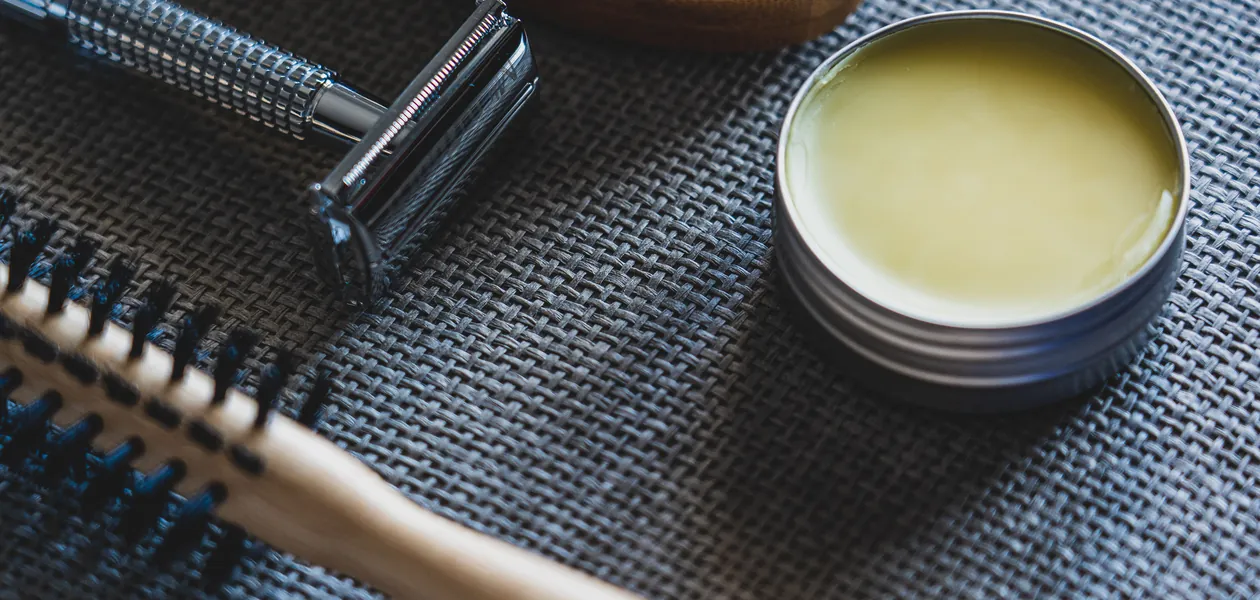
Start with a pea-sized amount and work it from the back forward. Too much product weighs the top down and clumps it.
Why Everyone Is Searching “Low Taper Fade”
The cut has been around for decades, but the name exploded online in 2024. On a January 5 Twitch stream, the hyperpop artist ericdoa freestyled the line “Imagine if Ninja got a low taper fade,” aimed at the Fortnite streamer, and the clip went viral on TikTok within days, as Know Your Meme documents.
Ninja played along, got the haircut on January 13 and posted it to TikTok, and the phrase became a running joke. Under the meme sits a genuinely great haircut, and now you know exactly how to ask for it.
FAQ
What is a low taper fade?
A low taper fade is a men’s haircut that shortens the hair only at the bottom edge, around the sideburns, ears and neckline, while the top and most of the sides stay longer. It starts just above the ear, lower than a mid or high fade, so it looks clean with little contrast.
What is the difference between a low taper and a low fade?
A low fade blends the whole lower half of the head through a few guard lengths, so it reads as a fade from across the room. A low taper only shortens the edges at the sideburns and nape, which keeps the sides fuller and the overall look more subtle.
How do I ask for a low taper fade?
Show your barber photos of the side and back, then say where the taper should start (just above the ear), which guard or skin you want at the nape, how much length to leave on top, and whether you want a natural or blocked neckline.
How often should you get a low taper fade touched up?
Every three to four weeks keeps a low taper that finishes at a guard looking sharp. If your barber takes the nape down to skin, go every two to three weeks, because hair grows roughly a third to half an inch a month and blurs the blend quickly.
What is the Ninja low taper fade meme?
It is a 2024 viral joke. The artist ericdoa sang “Imagine if Ninja got a low taper fade” during a Twitch stream, the clip spread on TikTok, and the streamer Ninja got the haircut days later, turning the phrase into a long-running meme.