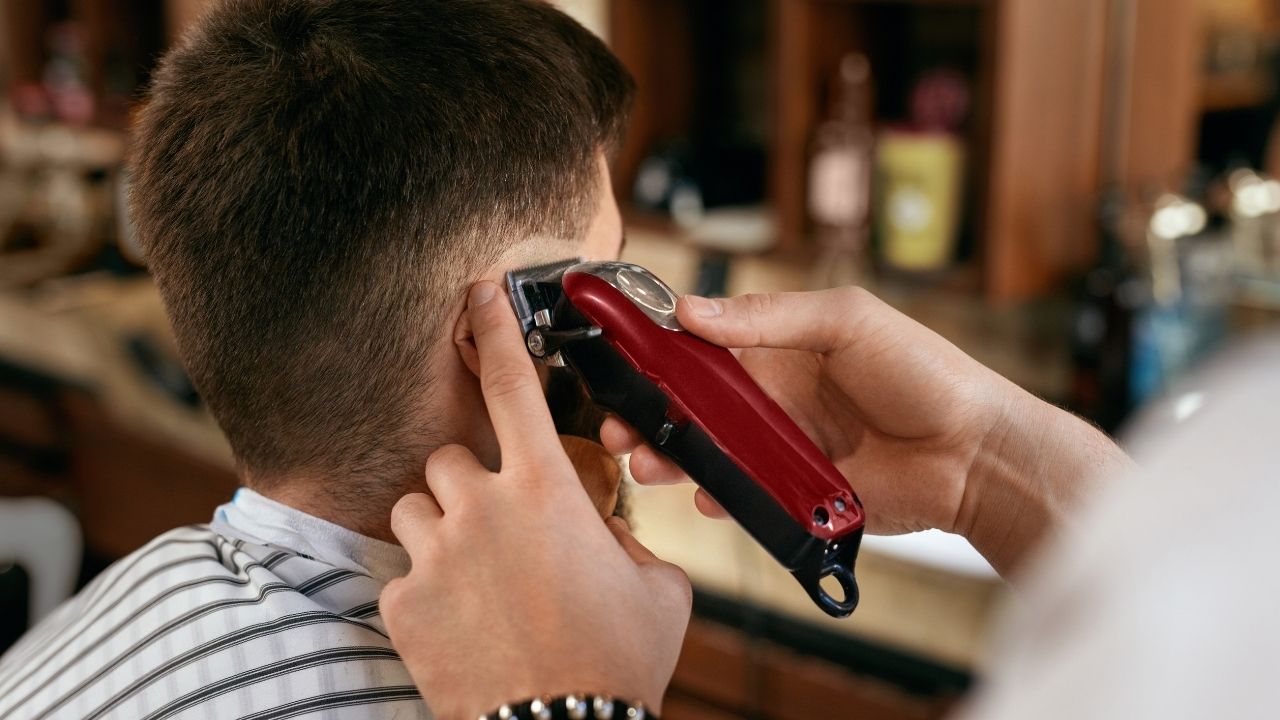
As a man, it can be genuinely difficult to find decent advice on how to look after your hair. There is plenty out there aimed at women, but not all of it translates over, and a lot of it ignores how different male hair and scalps actually are.
So this is the hair care for men guide I wish I had earlier: the routine, the products, the tools, and the specifics that actually move the needle. Follow the parts relevant to you and you will end up with hair you are genuinely happy with, which does more for your confidence than most grooming upgrades.
A good routine comes down to a handful of habits done consistently. Here is how I approach each one.
TL;DR
- Start by knowing your hair texture (fine, medium or thick) and your scalp (oily, dry or balanced), because every product choice follows from those two.
- Use a shampoo matched to your hair and scalp (sulfate-free suits most men), wash two or three times a week unless you sweat hard, and condition if your hair is longer, curly or dry.
- Treat dandruff with a shampoo containing zinc pyrithione, ketoconazole or salicylic acid, left on the scalp for a couple of minutes before rinsing.
- Style with a light hand and a few good tools: paste for most cuts, clay or pomade for thicker hair, a wide-tooth comb for wet hair and a dryer on medium heat.
- For thinning hair, minoxidil and finasteride are the main FDA-approved treatments for male pattern baldness, though owning a shaved head is often the strongest move.
Table of Contents
- Know Your Hair Type and Texture First
- The Shampoo Question
- Conditioning
- Dealing With Dandruff and a Dry Scalp
- Styling
- The Tools That Actually Matter
- Men With Long Hair
- Hair Growth and Thinning
- Baldness
- Beard Care
- The Last Word
- FAQ
- Sources
Know Your Hair Type and Texture First
Before you buy a single product, work out what you are actually working with. The two things that matter most are your hair texture (fine, medium, or thick strands) and your scalp (oily, dry, or balanced). Understanding both is what stops you wasting money on products that fight your hair instead of working with it.
Curly and straight hair behave very differently. Curly and textured hair tends to run dry because the natural oils struggle to travel down the strand, while straight hair often gets greasy faster and shows buildup sooner. Get this right and every other decision, from shampoo to styling, gets easier, because you are choosing products for your real hair instead of guessing.
The Shampoo Question
It is no secret that you should shampoo your hair to keep it looking its best. The questions most men actually have are which shampoo to use and how often. Both are simpler than they look once you stop buying on the label.
Pick a shampoo tailored to your hair type and scalp. The all-in-one shampoo and body wash marketed at men is fine for a crew cut, but for anything longer it is too harsh and strips the hair. Instead, match the product to whether your hair runs oily, greasy, or dry, and read the ingredients rather than the front of the bottle:
- Sulfates (often listed as sodium lauryl sulfate) clean aggressively and can leave hair dry. Sulfate-free formulas clean more gently and suit most men.
- A clarifying or deep cleansing shampoo used weekly lifts the product buildup, hard-water minerals, and chlorine that a daily shampoo leaves behind.
- Color-safe shampoo matters if you dye your hair, because a harsh formula strips the color fast.
On frequency, there is no single rule. If you train hard or work up a sweat, every day or every other day is fine. Otherwise two or three times a week is plenty. Washing too often strips the natural oils and leaves hair dry and brittle, so more is not better. One small habit that helps: rinse the final wash with cold water, which closes the cuticle and leaves hair looking less frizzy.
Conditioning
A lot of men skip conditioner, and whether that is a mistake depends entirely on your hair. Research on hair cosmetics notes that conditioners work by smoothing the cuticle, reducing friction, and making hair easier to manage.
If your hair is very short, a conditioner often is not worth the time or money. If it is longer, curly, or prone to dryness, conditioning is what keeps it soft, manageable, and free of frizz. Focus it on the mid-lengths and ends rather than the scalp, and rinse with cool water to help seal the cuticle and keep healthy hair looking shiny rather than flat.
Dealing With Dandruff and a Dry Scalp
For the skin side of grooming, our guide to a skincare routine for men of color complements this.
Hair care is really scalp care, and the most common complaint is flakes. Dandruff usually comes from a dry, irritated scalp or a common yeast that feeds on scalp oils, and it is extremely manageable once you treat it properly rather than just hiding it.
Reach for an anti-dandruff shampoo with an active ingredient like zinc pyrithione, ketoconazole, or salicylic acid, and actually leave it on the scalp for a couple of minutes before rinsing so it can work. The American Academy of Dermatology recommends these ingredients because they calm the inflammation and the scalp yeast behind most dandruff. If flaking is severe, persistent, or comes with redness, that is worth a quick word with a stylist or a dermatologist, because it can point to something like seborrheic dermatitis that responds to a specific treatment.
Styling
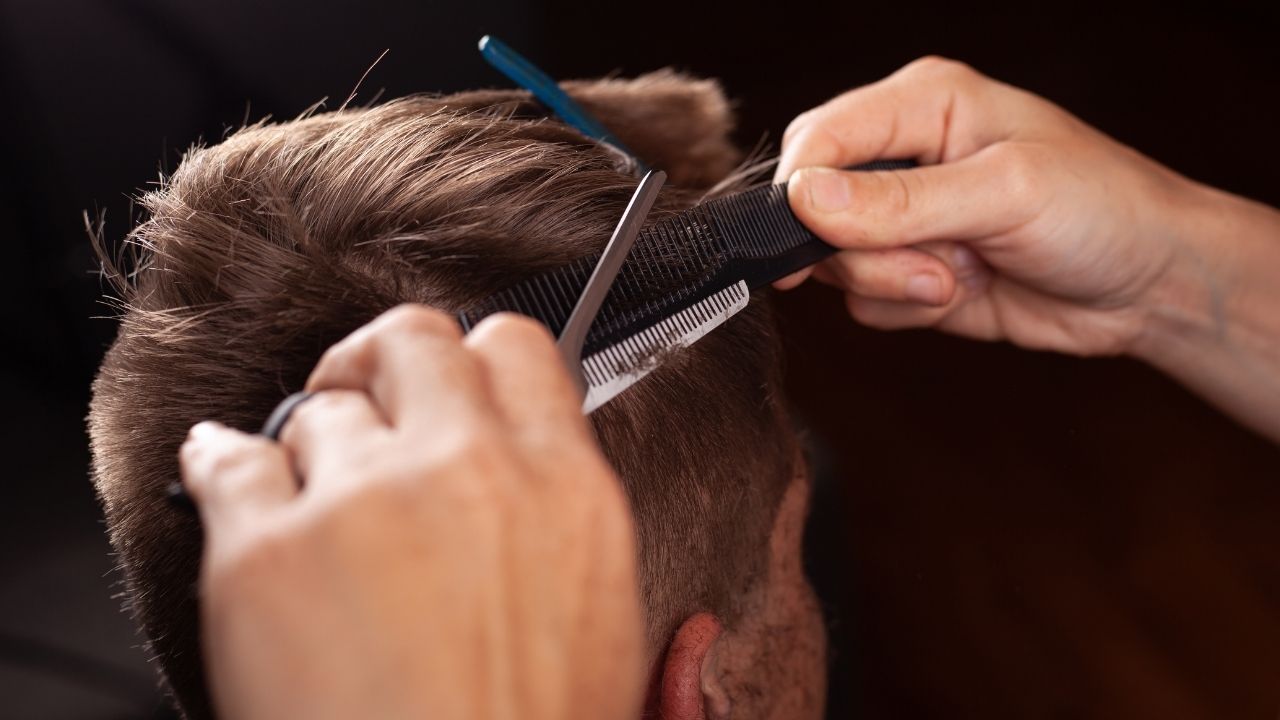
Plenty of men do not style their hair at all, and a growing number do. Let your own taste guide you. If you do style, use the right product for the finish you want and learn what it actually does, because the wrong choice is what makes hair look greasy or stiff.
A quick guide to the main styling products:
- Gel gives the strongest hold and locks a style in place, but it dries shiny and can feel crispy, so use a small amount.
- Paste comes in shiny or matte finishes, holds well, and still lets you restyle through the day. It is my default for most cuts.
- Clay and pomade suit thicker hair: clay for a dry, matte, textured look, pomade for a classic slicked finish.
- Hairspray is not just for women. A light mist holds a longer or bushier style in place without the stiffness of gel.
Whatever you use, start with less than you think you need. You can always add more, but over-product is the fastest way to ruin an otherwise good cut.
The Tools That Actually Matter
Grooming goes below the neck too, as our guide to body waxing for men covers.
Products get all the attention, but your tools do half the work. You do not need a drawer full of them, just a few good ones used properly:
- A comb and a brush. A wide-tooth comb detangles wet hair without snapping it; a brush distributes oils and adds shape to dry hair.
- A hairdryer, used on medium heat. Heavy daily heat causes real damage, so keep the dryer moving and finish on the cool setting.
- Decent scissors or a trimmer for tidying your own neckline and beard between barber visits.
Keep them clean. A brush full of old product and a clogged trimmer undo a lot of good grooming.
Men With Long Hair
Long hair is its own challenge to keep looking its best, but a few rules of thumb make it manageable. A leave-in conditioner is the real secret: it keeps long hair hydrated through the day and cuts down on tangles and breakage.
Styling long hair is the other hurdle. A simple ponytail or a bun keeps it out of the way, but invest in good fabric hair ties rather than tight elastics, which snap strands and cause breakage. Get your split ends trimmed every six to eight weeks, because no amount of product fixes damaged ends, and protect the hair from heat and chlorine if you swim or blow-dry it. Do those things and long hair stays healthy instead of looking ragged.
Hair Growth and Thinning
If you are trying to keep more of the hair you have, a few things genuinely help. Healthy hair growth starts at the scalp, so keep it clean and well circulated: a quick scalp massage while you shampoo is a simple, free habit that increases blood flow to the follicles.
Diet matters too. Hair is mostly protein, so enough protein, iron, and the right nutrients support growth, while crash diets and deficiencies show up as thinning. Harsh treatments are the other side of it: tight styles, daily heat, and over-washing all stress the strands and cause damage over time. None of this is a miracle cure, but protecting the hair you have is far easier than regrowing what you have lost.
Baldness
And to pull the whole look together, our simple style tricks help.
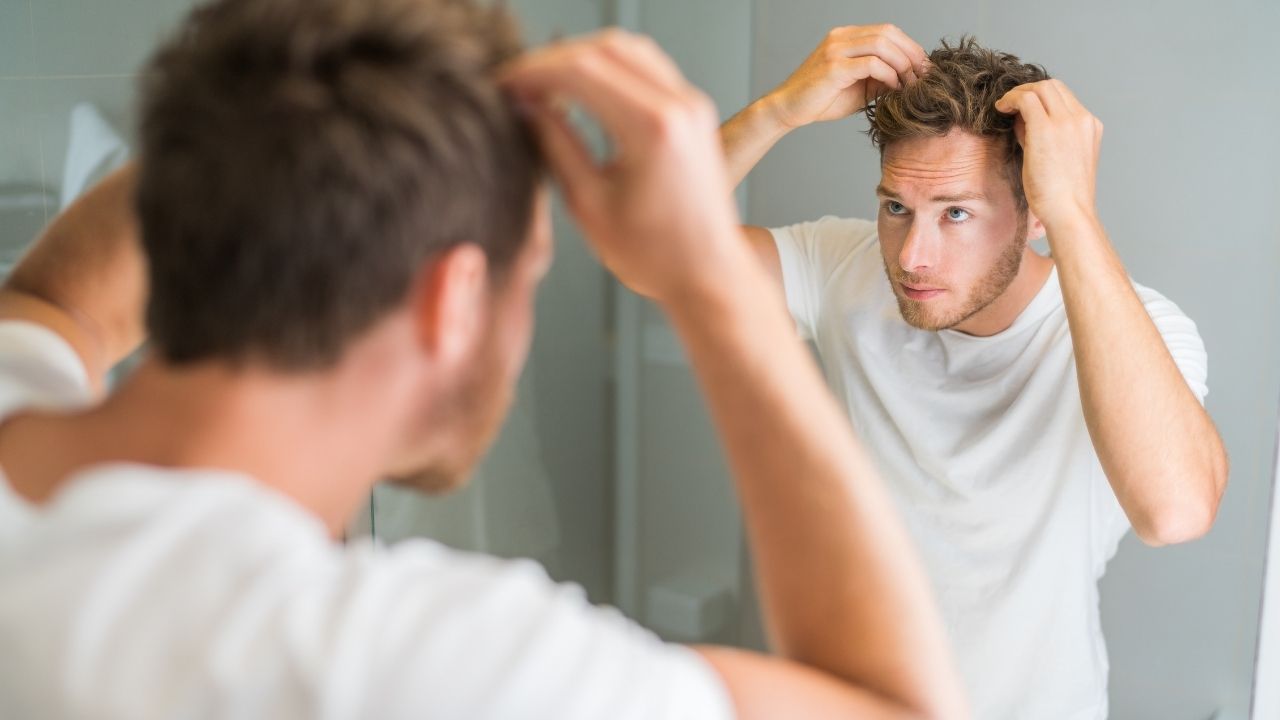
A very common concern for men is the opposite problem: not having enough hair. Baldness is extremely common and has many causes, from inherited male pattern baldness to stress and medical factors, and the cause makes a big difference to which treatments help.
If you want to look into treating hair loss, the American Academy of Dermatology lists over-the-counter minoxidil and prescription finasteride as the main FDA-approved treatments for male pattern baldness. A doctor or dermatologist is the right person to advise on what fits your situation, your health, and your price range. Managing stress helps across the board, even with inherited baldness.
That said, accepting it is often the strongest move. Choosing to own a shaved or balding head reads as confident and is usually more attractive than a comb-over or a visible struggle against it. However you approach it, pick an approach and commit to it.
Beard Care
For a lot of men, a big part of hair care is beard care. A full beard needs tending so it looks purposeful rather than unkempt, and the good news is the routine is simple.
The essentials:
- Trim it regularly, even when growing it out, so it looks deliberate and not like you just skipped shaving.
- Use a beard oil to stop it drying out and to keep the skin underneath from getting flaky and itchy.
- Wash and condition it when you do your hair, at a similar frequency, so it stays soft and clean.
Do that and you will have a beard that looks intentional and well kept, which completes the whole package.
The Last Word
Good hair care for men is not complicated. Match your products to your real hair type, wash and condition on a sensible schedule, treat the scalp, style with a light hand, use a few good tools, and protect the hair and beard you have.
Pick the one habit you are weakest on, fix it this week, and build from there. The results compound, and so does the confidence that comes with them.
FAQ
What is a good hair care routine for men?
Wash, condition, treat the scalp and style lightly. Shampoo two or three times a week (daily is fine if you train hard), condition hair that is longer or dry, and if you get flakes, use a dandruff shampoo with zinc pyrithione, ketoconazole or salicylic acid, as the American Academy of Dermatology recommends.
What is the best hair care for men?
Products matched to your hair type and scalp, not the label. Sulfate-free shampoo suits most men, a weekly clarifying shampoo lifts buildup, and conditioner matters most for longer, curly or dry hair, because research in the Indian Journal of Dermatology shows conditioners flatten the cuticle and reduce friction between strands. All-in-one shampoo and body wash only suits a crew cut.
What hair products do men need?
A shampoo for your hair type, a conditioner if your hair is longer, and one styling product. Paste suits most cuts, clay gives thicker hair a matte, textured look, pomade gives a classic slicked finish and gel gives the strongest hold. Add a wide-tooth comb and a brush, plus beard oil if you have a beard.
How should men take care of long hair?
Use a leave-in conditioner, fabric hair ties and regular trims. The leave-in keeps long hair hydrated and cuts down on tangles and breakage, fabric ties avoid the snapped strands tight elastics cause, and a trim every six to eight weeks deals with split ends. Protect it from heat and chlorine too.
What actually helps with hair loss?
For male pattern baldness, over-the-counter minoxidil and prescription finasteride, which the American Academy of Dermatology lists as FDA-approved treatments. The cause makes a big difference, so ask a doctor or dermatologist what fits you. Accepting it is a strong option too: a shaved head usually reads as more confident than a comb-over.
Sources
- Shampoo and Conditioners: What a Dermatologist Should Know?, Indian Journal of Dermatology
- How to treat dandruff, American Academy of Dermatology
- What is male pattern hair loss, and can it be treated?, American Academy of Dermatology
Recommended


