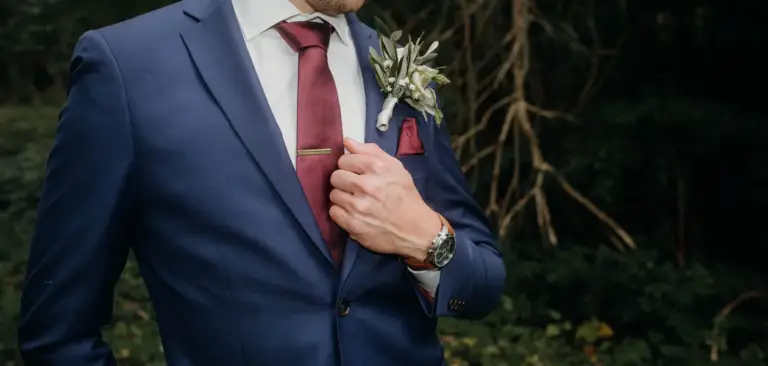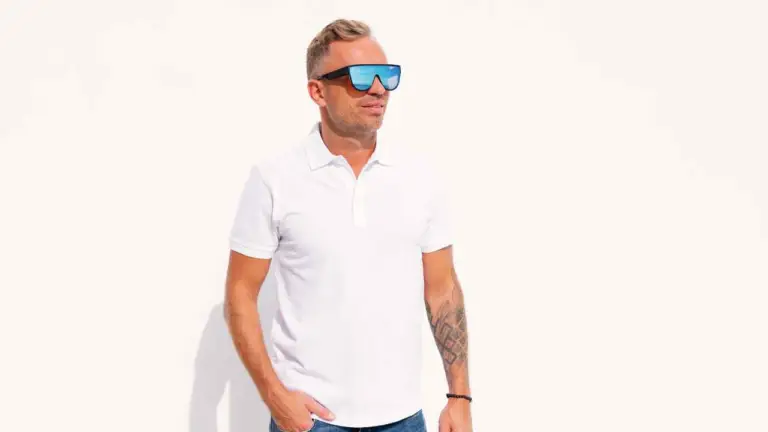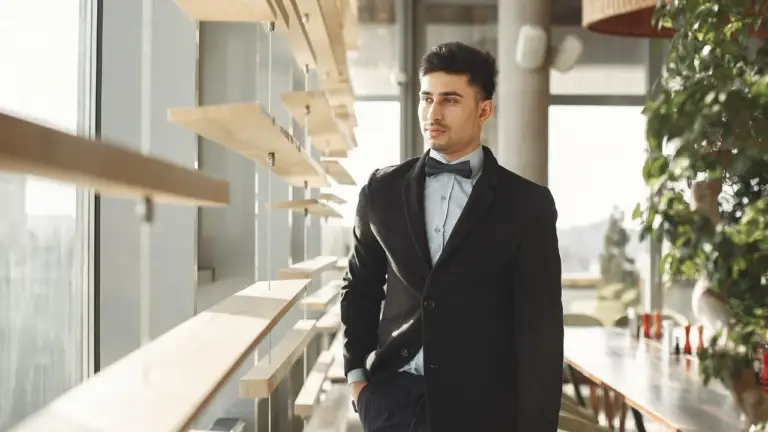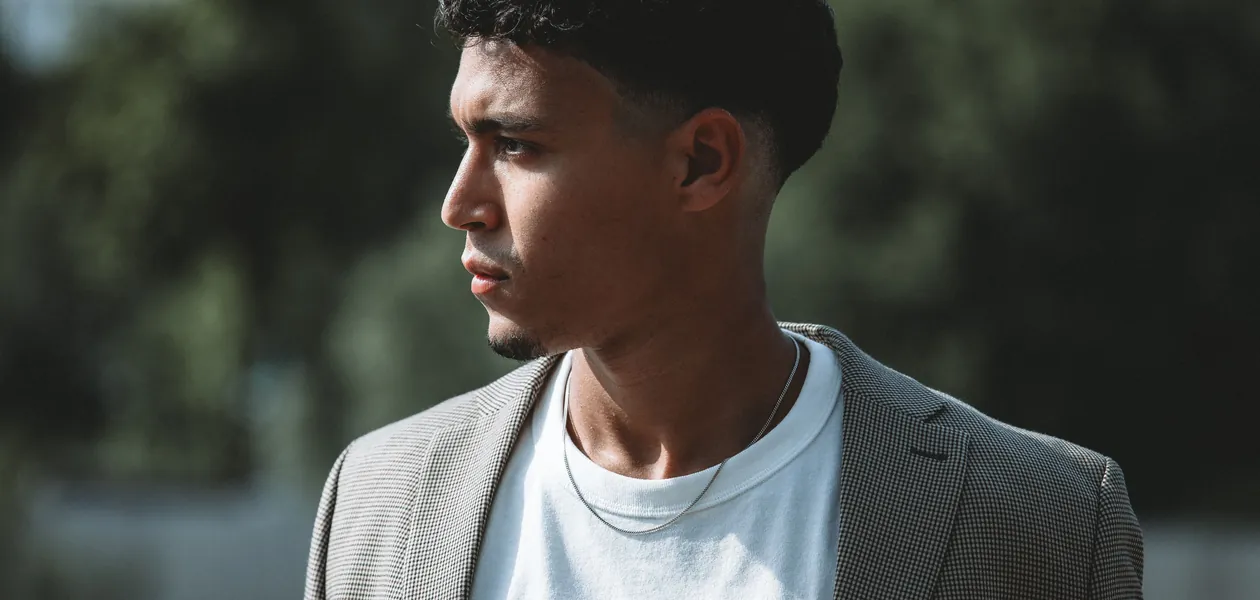
Smart casual for men means pairing tailored pieces, like a blazer, an oxford button-down or leather loafers, with relaxed clothing such as chinos, dark jeans or a knit polo. The look is polished but not professional: no suit, no tie and nothing you would wear to the gym.
The code also bends to the setting. Linen and loafers at a July rooftop bar look nothing like wool and boots at a winter dinner party, yet both count as smart casual, so no single perfect outfit exists. What works everywhere is a way of thinking: start relaxed, then add polish to match the room.
This guide covers what the smart casual dress code means, how it differs from business casual, the pieces worth owning, the gray areas, outfits for the office, dates and weddings, and the clothes to avoid wearing. The goal is effortless style: put together, never trying too hard.
TL;DR
- Smart casual for men pairs tailored pieces like a blazer, an oxford shirt or leather loafers with relaxed ones like chinos, dark jeans or a knit polo, with no suit and no tie.
- It sits a step below business casual, which is built for the office, and well below cocktail attire, where a dark suit becomes the floor.
- The easiest formula is a casual base plus one or two upgrades: a blazer for the hoodie, loafers for the running shoes or an oxford for the graphic tee.
- Fit matters more than labels, and dark, clean, fitted jeans, minimalist leather sneakers and good polos all pass, but jeans stay home for a smart casual wedding.
- Avoid gym wear, ripped or faded denim, graphic tees, flip-flops and a full suit and tie, and when you are unsure, aim slightly smarter.
What Is Smart Casual for Men?
The Cambridge Dictionary defines smart casual as clothing that is neat and stylish but not too formal, especially when that is the accepted way of dressing for a place or occasion. For men, that leaves plenty of options, as long as every piece is clean, has a good fit and looks chosen on purpose.
Picture a scale. Casual is a T-shirt, shorts and running shoes; business casual is collared shirts, tailored trousers and leather shoes for the office. Smart casual sits between them, and the trick is balance: relaxed enough for dark denim and clean sneakers, elegant enough that nobody mistakes you for someone running errands.
Where the Term Came From
The phrase is older than most guess. The Phrase Finder traces its first printed use to an Iowa newspaper, The Davenport Democrat And Leader, in May 1924, describing a women’s dress. Business casual joined it in the 1950s, when that term meant a more casual suit than the usual dark one in heavy cloth.
Today the code has drifted far from suits. It mixes the tailored world of jackets and leather shoes with the casual wardrobe most men already own, which is why it turns up on invitations for dinners, parties, gallery openings, work events and cruise nights.
Smart Casual vs Business Casual
The two codes share many pieces, but their purpose differs. Business casual is built for work and expects a collared shirt, tailored trousers and leather shoes as the minimum. Smart casual is built for social settings and allows dark jeans, knitwear, a plain tee under a blazer and minimalist sneakers.
If you already own a business casual wardrobe, you are most of the way there. Loosen it by one notch: open the collar, swap the dress trousers for chinos or dark denim, and trade the derbies for suede loafers or white leather sneakers.
American etiquette guides often use a near twin of the term, dressy casual. The Emily Post Institute’s attire guide calls it a versatile balance between formal and casual, right for socializing after work, fundraisers or dinner at a nice restaurant.
For men, that guide lists a seasonal sport coat or blazer with slacks, a dress shirt, open collar shirt or polo, and an optional tie, which marks the dressier end of smart casual.
One rung above both sits cocktail attire, where a dark suit becomes the floor. When an invitation says smart casual, it is telling you the suit can stay in the closet.
The Smart Casual Formula
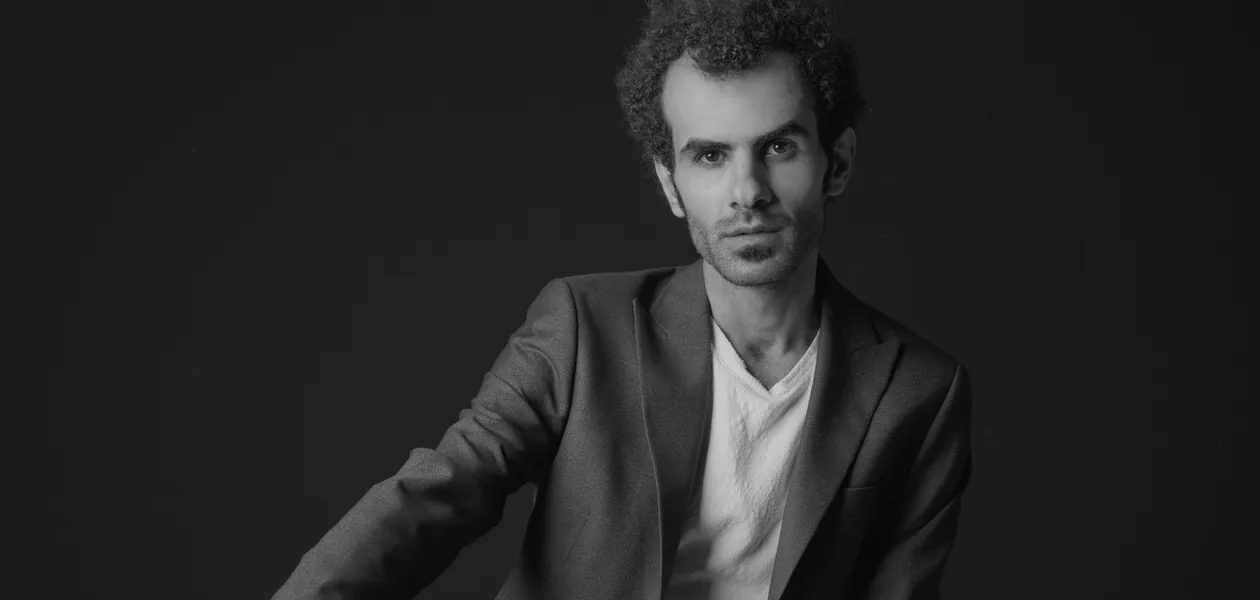
The most reliable way to dress smart casual is to build from a casual base and upgrade one or two pieces. Each swap adds formality, so you control exactly where the outfit lands. Three swaps do most of the work:
- Jacket for jacket: trade a hoodie or denim jacket for an unstructured blazer or sport coat over the same tee and chinos.
- Shoes for shoes: replace running shoes with leather loafers, suede chukkas or plain white leather sneakers.
- Shirt for shirt: swap a graphic tee for an oxford button-down, a knit polo or a fine crew neck sweater.
Keep at least one relaxed element and at least one tailored one in every outfit. A blazer with dark jeans works. A blazer with suit trousers, a tie and dress shoes is just a suit made of odd pieces, and it reads as overdressed.
When I can’t decide between two pieces, I take the smarter one. A jacket can come off and hang on a chair, but polish you left at home can’t be added at the table.
The Core Smart Casual Pieces
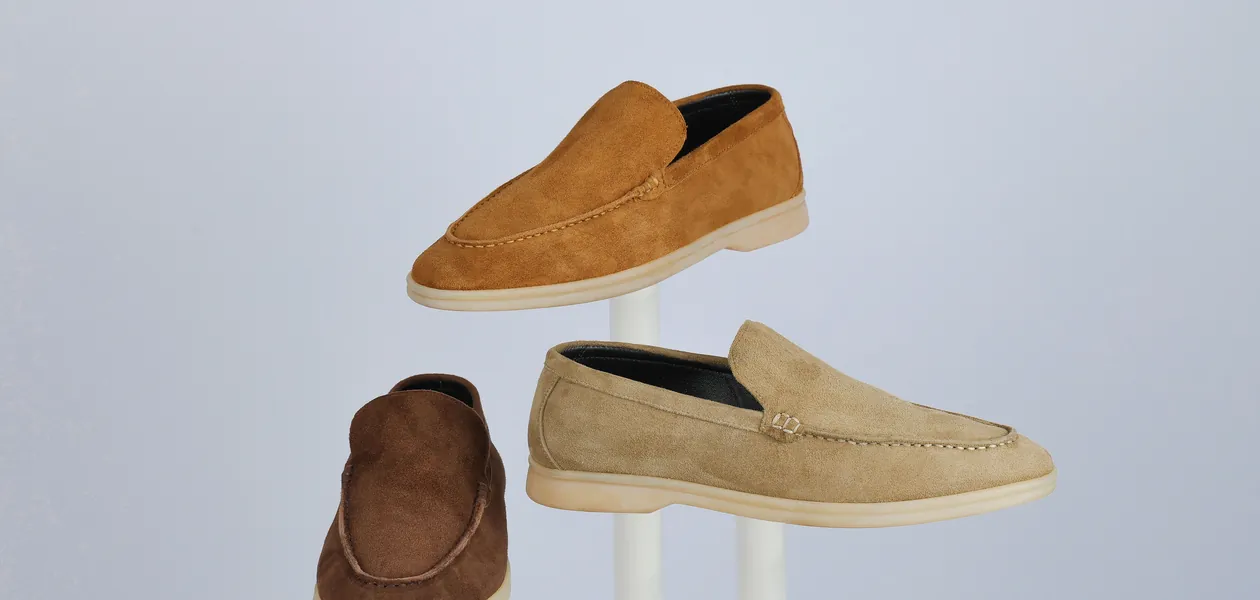
You do not need a new closet. Most men can build smart casual outfits from what they already own, with a few upgrades where the wardrobe runs thin. These are the pieces that carry the look:
- Tops: oxford shirts in white or light blue, cotton or knit polo shirts, merino or cashmere crew neck sweaters, and plain T-shirts in navy, white or gray to wear under a jacket.
- Trousers: chinos in khaki, navy, olive or stone, lightweight wool trousers, and dark denim with no rips or fading.
- Layers: an unstructured navy blazer, a textured sport coat in wool, linen or cotton, and a clean bomber, suede or field jacket for colder days.
- Footwear: leather or suede loafers, chukka or Chelsea boots, derbies, and minimalist leather sneakers kept spotless.
Fit decides whether any of it works. Shirts should sit close at the shoulders without pulling at the buttons, trousers should be slim but not skinny, and a jacket should let you move your arms. A tailor’s small adjustments do more for a smart casual look than a designer label.
Stick to a short palette of navy, gray, white, beige, olive and brown, and almost everything will pair with everything else. Finish with a leather belt that roughly matches your shoes and a simple watch. Accessories should add a touch of personality, not compete for attention.
Are Jeans, Sneakers and Polos Smart Casual?
Yes to all three, with conditions. These are the gray areas where most men get smart casual wrong, and the conditions are what separate a sharp outfit from a sloppy one. Jeans pass when they meet three tests:
- Dark wash: indigo, rinse or black denim reads dressier than light or faded blue.
- Clean finish: no rips, fraying or heavy distressing anywhere on the pair.
- Slim or straight cut: fitted through the leg and hemmed to your length, never baggy or bunched at the ankle.
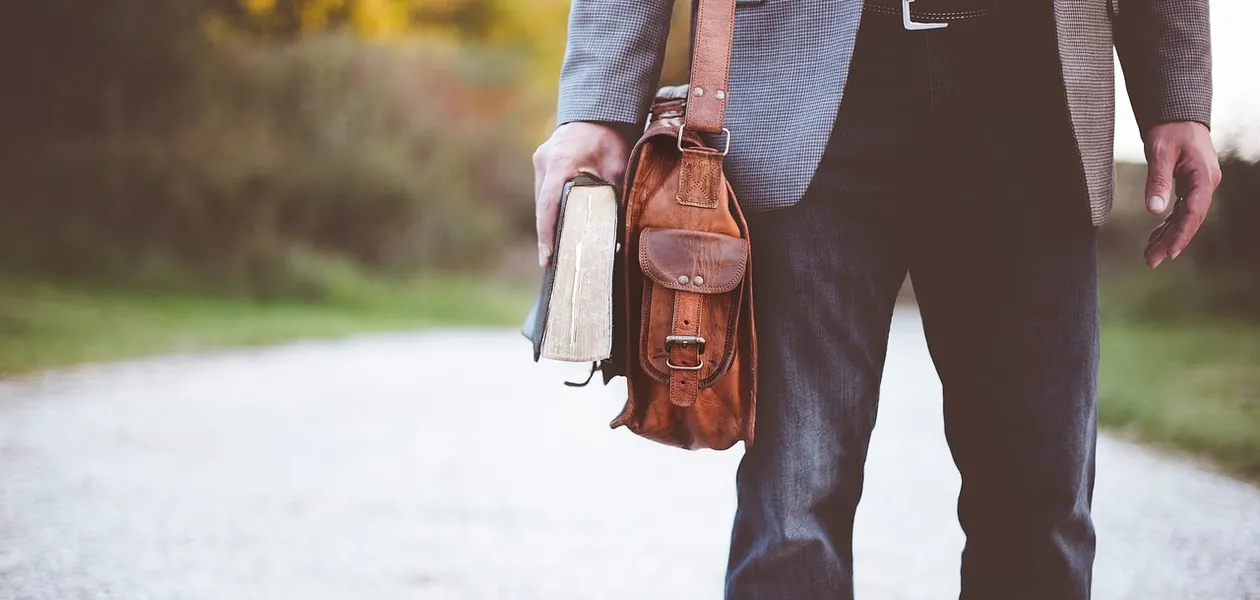
Pair them with a blazer or a crisp oxford to anchor the outfit. Leave jeans at home for a smart casual wedding or any event where the invitation sounds formal; chinos or wool trousers are the safer call there.
Sneakers work only in their dressiest form: low profile white or black leather, minimal branding, no athletic soles or mesh. Running shoes, basketball sneakers and gym trainers stay out. A well styled polo in cotton pique or fine knit counts as smart casual too, especially in warm weather, and a tie is optional.
Shorts are the one real exception. Tailored shorts with a linen shirt and loafers can pass at a daytime summer party, but for evening events long trousers are the safer choice.
Smart Casual Outfits for Work, Dates, Weddings and Travel
The same pieces shift with the setting. Read the invitation, the venue and the time of day, then lean smarter or more casual to match. These four outfits cover the occasions where the code comes up most:
- Office or work event: navy chinos, a light blue oxford shirt, a gray sport coat and brown leather loafers.
- Dinner or date night: dark jeans, a black merino crew neck, a navy blazer and suede Chelsea boots.
- Smart casual wedding: stone or light gray wool trousers, a white shirt with an open collar, a textured blazer and polished loafers.
- Cruise dinner or resort night: pressed chinos, a collared linen or cotton shirt, an unstructured jacket and loafers.
Cruise lines use the term too. Royal Caribbean, for example, describes smart casual as a step up from typical dinner wear, with collared shirts, and says jackets, sport coats and blazers are welcome. Tank tops are not permitted in its main dining room at dinner.
The season changes the fabrics more than the formula:
- Summer: linen and cotton shirts, lightweight chinos, an unlined jacket and loafers worn with no-show socks.
- Winter: flannel or wool trousers, merino and cashmere knits, a tweed sport coat, a smart overcoat and leather or suede boots.

What Not to Wear for Smart Casual
Most smart casual mistakes fall into three groups. Avoid these and you will rarely be the worst dressed person in the room:
- Gym and lounge wear: hoodies, joggers, track jackets, athletic shorts, running shoes, slides and flip-flops, however expensive they are.
- Worn or loud pieces: ripped or faded jeans, wrinkled or stained shirts, graphic and slogan tees, tank tops and scuffed shoes.
- Full formality: a matched suit with a tie, patent dress shoes or a tuxedo shirt, which tells the host you misread the invitation.
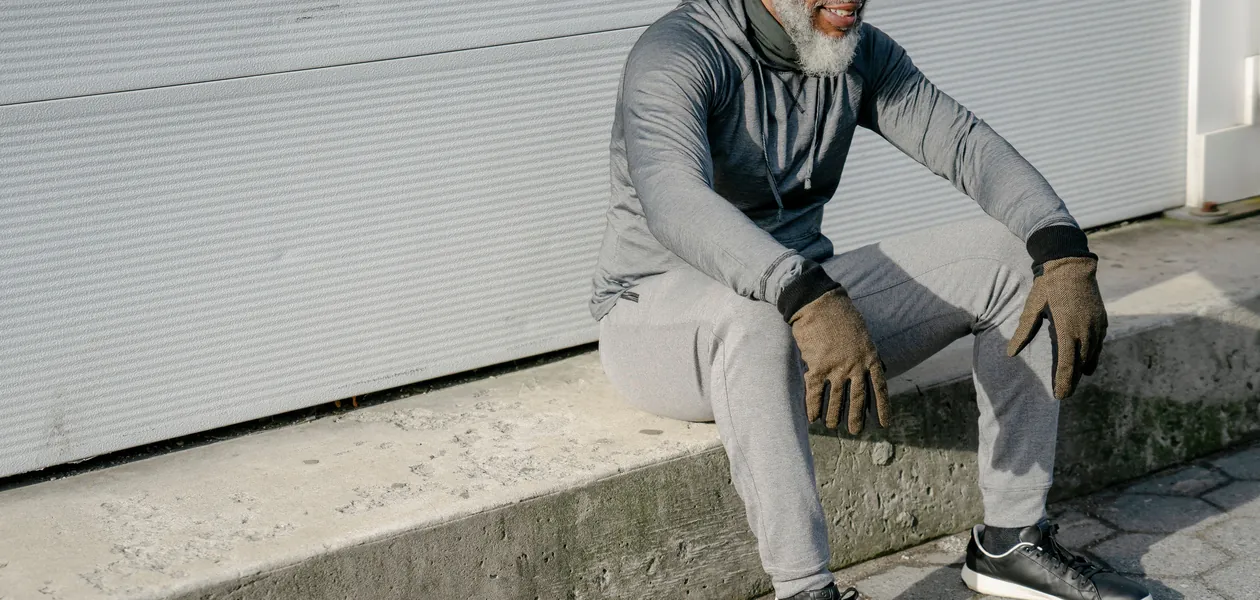
The quick test: if a piece belongs at the gym, the beach or a black tie gala, it does not belong in a smart casual outfit. If you are still unsure, aim slightly smarter than you think you need, keep everything pressed and clean, and let fit do the talking.
FAQ
What is the dress code for smart casual for men?
Tailored pieces mixed with relaxed ones. Think chinos or dark jeans, an oxford shirt, polo or fine knit, an optional blazer or sport coat, and loafers, boots or clean leather sneakers. You do not need a suit or a tie, and gym wear, ripped denim and flip-flops stay home.
Are jeans OK for smart casual for men?
Yes, if they are dark, clean and fitted. Choose indigo, rinse or black denim with no rips or fading, in a slim or straight cut, and anchor it with a blazer or a crisp oxford shirt. Skip jeans at a smart casual wedding or any event that sounds formal.
What is not allowed for smart casual?
Gym wear, worn or loud pieces and full formal wear. That means hoodies, joggers, athletic shorts, running shoes, flip-flops, ripped or faded jeans, graphic tees, tank tops and wrinkled shirts, plus a matched suit and tie, which overdresses you. When unsure, aim slightly smarter and keep everything pressed.
Is smart casual the same as business casual?
No, but the two overlap. Business casual is built for the office and expects a collared shirt, tailored trousers and leather shoes. Smart casual is built for social settings and allows dark jeans, knitwear, a plain tee under a blazer and minimalist sneakers. Neither one requires a suit or a tie.
What should men wear for smart casual in summer?
Lighter fabrics on the same formula. Wear a linen or cotton shirt or a knit polo, lightweight chinos, an unlined jacket when the event calls for one, and loafers with no-show socks. Tailored shorts can pass at a relaxed daytime party, but long trousers are safer for evening events.