I have a confession: for years I bought whatever shirt was on sale, and it showed. The collar gaped, the sleeves stopped short, and I spent important meetings tugging at fabric instead of paying attention.
Finding the best dress shirts for men is not about owning fifty of them. It is about knowing what makes a great shirt, which brand cuts for your build, and how to spot quality before you pay for it. This guide is everything I have learned the hard way, organized so you can skip the expensive mistakes.
You will find options that blend comfort, flexibility, and style here. Whether you are looking for luxury-tailored shirts or budget-friendly alternatives, you are covered.
What Makes the Best Dress Shirts
Before any brand names, here is the checklist I run every shirt through. A great dress shirt earns its place on four points:
- Fabric: 100% cotton or a smart cotton blend. The fabric should breathe, hold its shape, and survive a hundred washes.
- Fit through the body: Close enough to look sharp, loose enough to move. Billowing fabric at the waist ages any outfit instantly.
- Collar and shoulders: The collar should close without choking, and the shoulder seams must sit exactly at the edge of your shoulders. No fabric fixes a wrong shoulder.
- Construction: Tight, even stitching, pattern matching at the seams, and buttons that feel anchored. These details separate a shirt that lasts from one that pills by spring.
Get those four right and almost everything else is preference.
The Versatile Classic: The White Button-Down
When in doubt, I reach for a white button-down. It is a stylish work shirt option that reads professional in every room and offers endless styling possibilities. Tuck it into tailored trousers for business, or wear it open-collared with jeans on a casual day.
The secret is its adaptability. A crisp white shirt pairs with nearly every color and pattern in your closet, which makes it the hardest-working piece you own. I keep three in rotation at all times so one is always pressed and ready.
It is also the shirt that scales up and down with the rest of the outfit. Under a navy suit with a grenadine tie it is boardroom-ready; over dark jeans with the sleeves rolled it is dinner-ready. No other piece covers that much ground.
Prioritize fabric and fit over everything: breathable, premium cotton, cut close to your frame without constriction. Wash it in cold water and check for stains before drying. A top-quality white dress shirt readies you for whatever the week throws at you.
Who Makes the Best Dress Shirts: Brands I Trust
People ask me which brand makes the highest quality dress shirts, and my honest answer is that different brands win at different jobs. One cuts a better slim fit, another owns the budget tier, a third solves sizing for builds the big makers ignore.
I judge a brand on three things: consistency (is the tenth shirt as good as the first), fit options (real range, not just S through XL), and fabric honesty (does the label match how it wears). These are the four I keep coming back to, and what each one is best at.
Brooks Brothers: The Heritage Pick
Brooks Brothers is the traditional American standard for a reason. Their non-iron dress shirts run about $128 and come in a full range of weaves: crisp oxford, smooth broadcloth, and textured twill, with premium cottons like Supima and Egyptian in the lineup.
Best for: the man who wants one shirt brand he never has to think about again. They cut slim, regular, and relaxed fits, plus Big & Tall, so nearly every body type is covered.
Charles Tyrwhitt: The Sharp-Value Brit
Charles Tyrwhitt is my pick when I want a cutaway collar and proper English styling without bespoke prices. Their multi-shirt bundles bring the per-shirt cost down dramatically, which is how I built my early rotation.
Best for: stocking a full work wardrobe at once. Watch their bundle pricing and buy four at a time.
Uniqlo: The Budget Champion
Nobody beats Uniqlo at the price point. Their Super Non-Iron Slim Shirt runs $49.90, comes in regular and spread collars, and covers sizes from XS to 3XL. I keep two as my travel shirts because they come out of a suitcase looking pressed.
Best for: your first proper dress shirts, travel, and anyone building a wardrobe on a budget.
Proper Cloth: Custom Without the Tailor Visit
Proper Cloth creates a custom pattern for every customer and lets you choose from a multitude of collars, cuffs, pockets, and fabrics, all online. Their home try-on option dials in your measurements before you commit.
Best for: hard-to-fit builds. If standard sizes never quite work on you, made-to-measure online is the modern answer.
Getting the Fit Right
To round out the outfit, our guide to choosing the right bag covers what to carry.
The best fabric in the world cannot save a shirt that fits wrong. Fit is where most men lose the game, and it is the first thing I check on anyone asking for advice. The good news: getting it right is a one-time project. Learn your numbers and your cut once, and every shirt you buy afterward starts from a winning position.
Slim Fit vs. Classic Fit
A slim fit tapers through the chest and waist for a modern silhouette; a classic fit gives you more room and a more traditional drape. Neither is “more correct.” I wear slim fit because I am narrow through the torso, but a classic cut on the right build looks every bit as sharp.
The test is simple: pinch the fabric at your waist. More than two to three inches of excess means the shirt is too full for your body.
Shoulders First, Everything Else Second
The shoulder seam must end where your shoulder ends. A tailor can take in the body and shorten sleeves, but rebuilding shoulders costs more than the shirt. When I try a new brand, the shoulders are the first and sometimes only thing I judge in the fitting room.
Know Your Real Size
Most men wear the wrong size because they guessed once and never measured. Two numbers define a proper dress shirt size: neck and sleeve. Get both taped, then check them against each brand’s chart, because a 15.5/34 is not identical across makers.
- Neck: measure around the base, then add half an inch for comfort. Two fingers should slip inside a buttoned collar.
- Sleeve: from the center back of your neck, over the shoulder, down to the wrist bone.
- Chest and waist: useful for choosing between slim and classic cuts.
- Re-measure yearly: bodies change, and an old number is how collars end up choking you.
Know Your Fabrics
Fabric decides how a shirt looks, feels, and behaves through a long day. Three families cover almost everything you will encounter.
Poplin
Poplin is the smooth, lightweight classic: tightly woven, slightly crisp, with a clean matte finish. It is my warm-weather default and the standard for formal business settings. Quality poplin wrinkles, though, so it rewards ironing or a non-iron treatment.
Oxford and Pinpoint
Oxford cloth is heavier, with a visible basket weave and a more casual character. It is the fabric of the great American button-down. Pinpoint sits between the two: finer than oxford, slightly textured, and a great everyday office choice.
Twill and Broadcloth
Twill shows a diagonal weave, drapes beautifully, and resists wrinkles better than most cottons, which makes it a smart pick for travel. Broadcloth is similarly smooth and lustrous, and it photographs wonderfully under a suit.
Non-Iron Shirts: Worth It?
Pair a crisp shirt with the right trousers, like the techwear pants we break down.
I resisted non-iron shirts for years because early versions felt like plastic. The current generation changed my mind. The treatment keeps cotton smooth through a full day and out of the dryer, and for travel they are unbeatable.
The trade-off is breathability: treated cotton runs slightly warmer than untreated. My rotation is now half and half, with non-iron for travel days and back-to-back meetings, and regular cotton when comfort matters more than crispness. If you hate the ironing board, start with one non-iron shirt and see how your week changes.
Care: Making a Great Shirt Last
A quality shirt is an investment, and how you treat it decides whether it lasts two years or ten. My care routine takes minutes and has kept shirts in rotation far longer than their price suggested:
- Unbutton everything before washing: buttons left fastened stress the holes and pop threads. Remove collar stays too; they warp in the wash.
- Cold water, gentle cycle: heat is what breaks down cotton fibers and sets stains. Wash whites together so colors never bleed into them.
- Skip the dryer when you can: hang shirts on proper hangers straight from the machine. Half the wrinkles fall out on their own, and the fabric keeps its body.
- Press while slightly damp: the easiest pressing you will ever do. Collar first, then cuffs, then sleeves, then the body.
- Rotate the lineup: a day of rest between wears lets the fibers recover, the same logic as rotating your shoes.
One more habit worth stealing: check the collar and cuffs for wear every month. Those edges fray first, and catching it early is the difference between a repair and a replacement.
The Power of Patterns: Checks, Stripes, and More
Craving a dash of flair? Patterns offer a refreshing break from a monochrome wardrobe. The right design helps you stand out, from understated pinstripes to eye-catching checks.
I follow a few rules learned through trial and error:
- Match the pattern to the occasion: fine stripes read formal; bold checks read casual. Some patterns are simply too loud for a boardroom.
- Check the seams: on a quality shirt, the pattern lines up at the shoulder and pocket. Misaligned patterns are the fastest tell of cheap construction.
- One statement at a time: a patterned shirt wants a quiet tie and plain trousers around it.
Spend the extra few minutes choosing a well-constructed patterned shirt. It will become one of the most versatile pieces in your closet.
Color deserves the same thought as pattern. Light blue is the most forgiving shirt color in menswear, flattering on nearly every skin tone and correct in nearly every office. Pink, lavender, and soft gray are the confident next steps once the core solids are covered. I save the bolder shades for days with no stakes, and I have never once regretted reaching for blue.
High-Tech Fabrics: Performance Shirts for the Modern Man
Performance dress shirts earned a permanent spot in my closet the first summer I wore one through a commute, two meetings, and a dinner without a single wrinkle showing. Moisture-wicking, wrinkle resistance, and four-way stretch are becoming standard in this category.
These shirts usually blend natural and synthetic fibers, balancing breathability with durability. Check the label if you have sensitive skin, and follow the care instructions. Most of these modern marvels barely need ironing and come out of the dryer crisp and ready.
Keep It Casual: Denim and Chambray Options
When you do not need to go full formal, denim and chambray shirts offer a relaxed alternative that still looks deliberate. Despite their visual similarity, they differ in weight and texture: denim is heavier and warmer, while chambray is light and breathable.
I own both, and they earn their keep across seasons. Team your denim or chambray with contrasting pants for a balanced look. One warning from experience: the double-denim move is a high-wire act, and most of us should not attempt it on a workday.
Tailored to Perfection: Made-to-Measure and Bespoke
For premium pieces without the markup, our guide to buying pre-owned luxury is worth a look.
If standard sizes keep disappointing you, go tailor-made. Made-to-measure adjusts an existing pattern to your measurements, while bespoke drafts a pattern entirely from scratch. My first made-to-measure shirt taught me what “fits properly” actually means, and it ruined off-the-rack shopping for a while.
Bespoke comes at a premium, but both routes are worthwhile for a truly perfect fit. Invest in a skilled maker and high-quality materials. You are investing in how you carry yourself.
Short Sleeves: Not Just for Casual Fridays
Do not write off short-sleeved shirts. Modern cuts in muted colors can hold their own in plenty of settings, especially through a brutal summer.
The cut is what separates smart from sloppy here: the sleeve should end mid-bicep and sit close to the arm, not flap around it. Pair them with fitted trousers and a sleek belt to keep the look intentional. Steer clear of baggy pants or cargo shorts, which drag the whole outfit down. And always check your workplace dress code before short sleeves make their office debut.
Vintage Vibes: Incorporating Retro Elements
The appeal of vintage never fades, and retro shirts carry a charm new ones cannot fake. From ’70s florals to ’50s Cuban collars, these pieces let you express individual style without sacrificing sophistication.
Go easy on mixing eras, though. Let the vintage shirt make the statement while the rest of the outfit stays contemporary. A well-preserved, well-fitting retro piece reads as confidence; three at once reads as a costume.
Collars, Cuffs, and Buttons: The Details That Decide
Details are where a good shirt becomes a great one, and where I see sharp dressers separate themselves.
- Spread collar: the modern business standard, with room for a fuller tie knot.
- Point collar: the traditional choice; its narrower opening flatters rounder faces.
- Button-down collar: born on the polo field, happiest in business-casual settings.
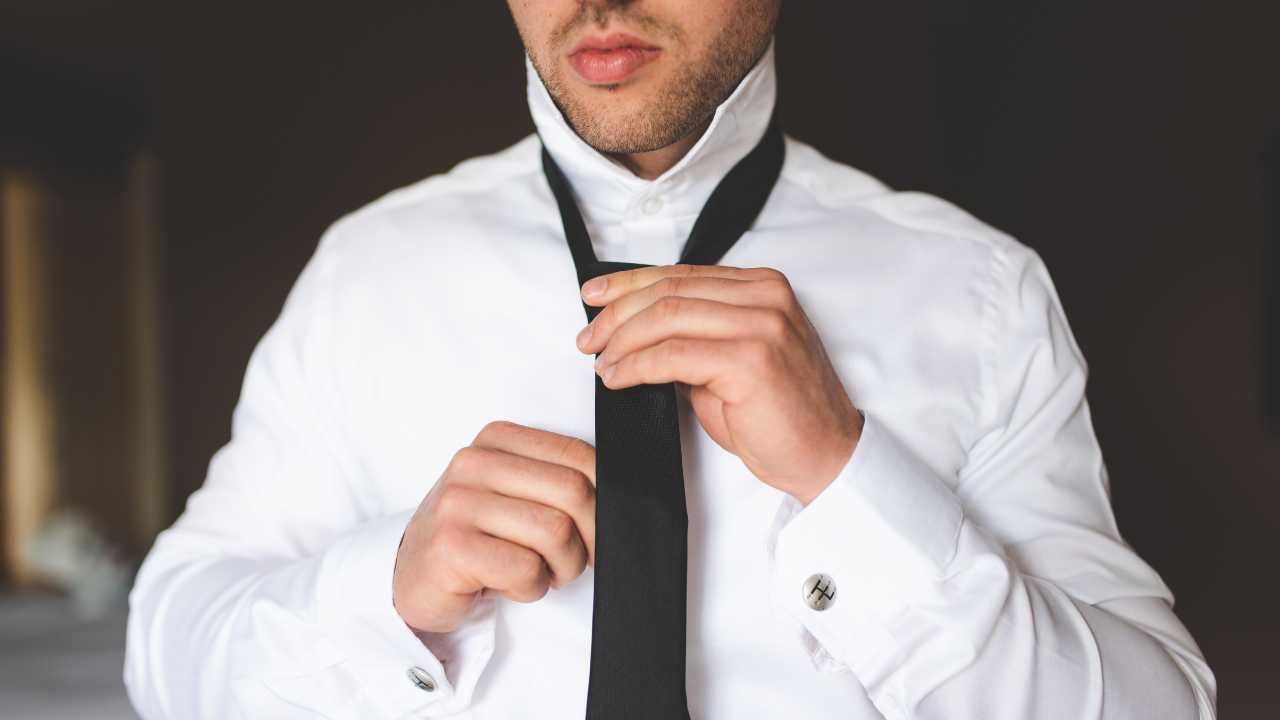
- Barrel cuff vs. French cuff: the barrel cuff (a simple buttoned cuff) handles daily wear; the French cuff folds back for cufflinks and belongs at formal events.
Even button material matters more than people think. Mother-of-pearl buttons catch light in a way plastic never will, and they are one of the quiet markers of a quality maker. For more of these under-the-radar moves, I covered the small stuff in my guide to overlooked details in men’s fashion.
The 3-3-3 Rule and Building Your Rotation
A question I hear constantly: what is the 3-3-3 rule? It is a capsule wardrobe challenge: pick 3 tops, 3 bottoms, and 3 pairs of shoes, and build all your outfits from those nine pieces. I ran it for a month as an experiment, and it proved something I already suspected: a few great shirts beat a closet of mediocre ones.
My practical version for dress shirts looks like this:
- Three white or light blue solids: the non-negotiable core that works with everything.
- Two patterns: one subtle stripe, one check, for days that need personality.
- One non-iron travel shirt: packed and forgotten until it saves you.
Six shirts, properly fitted, will outdress a stuffed closet every time. When you are ready to build around them, start with my list of key wardrobe pieces every gentleman needs and the full office wardrobe updating guide.
Final Thoughts
Selecting the right dress shirt is more than a morning routine. It is a strategic move in self-expression and professionalism. Each shirt in this guide has a distinct purpose, from the reliable white button-down to performance fabrics and made-to-measure fits.
Pay attention to the small stuff: cuffs, collars, buttons, and above all the shoulders. Make smart choices, and your shirts will do more than serve a function. They will change how the room reads you before you say a word.