When it comes to exercising and working out, the goal is for your output and results to match your input.
Whether you’re focusing on cardio, weight training, or a combination of the two, knowing how to maximize your workouts is key to getting everything your mind and body can out of the experience.
You’ve probably heard the phrase work smarter, not harder, but what exactly does that mean, and can it be applied to exercise?
The short answer is yes. In this article, we explore what it means to work effectively and offer insight into the ways men can make the most out of their sessions so they can continue to see results.
TL;DR
- Working out smarter starts with a clear goal and a plan, so you give full effort and work the right muscles.
- Choose the workout for the goal: weight training for strength and muscle tone, cardio-based exercise for endurance.
- Do not push further than your body is ready for: track the weights you lift safely and add small increases once the current weight feels manageable, or aim for more reps.
- Muscles need ample recovery time after any workout, and post-workout protein with carbohydrates and water helps them repair.
- Music helps you push through a session, and in one study slow music afterward helped blood pressure and pulse settle faster than a silent cooldown.
Setting Clear Goals
Going to the gym or working out at home is a great first step, but going forward without a plan won’t likely support your long-term fitness goals.
Certain workouts are often best suited to specific goals, and knowing which workouts will work for you will only help you maximize your efforts.
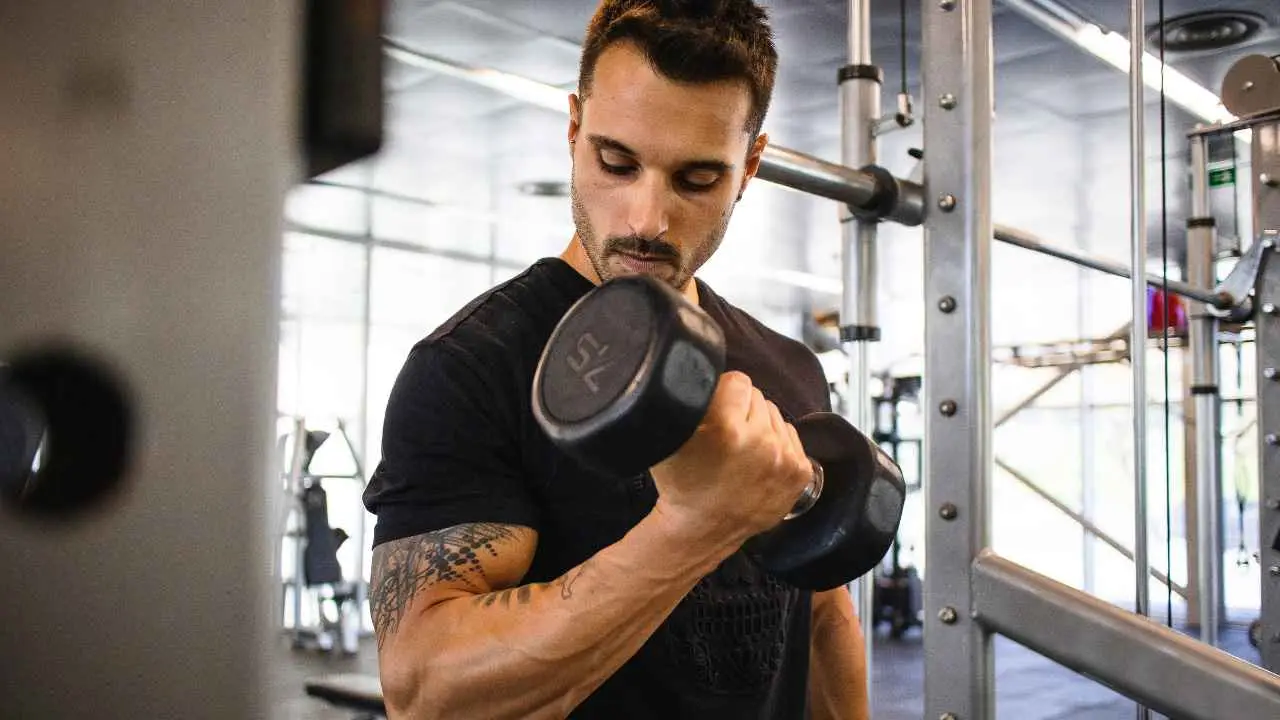
If you’re looking to build strength and muscle tone, you’ll want to focus on weight training. On the other hand, if endurance is your goal, then focusing on cardio-based exercises is best. Having a plan in place ensures you’re giving 100 percent and the right muscles are being worked.
Don’t Go Above and Beyond
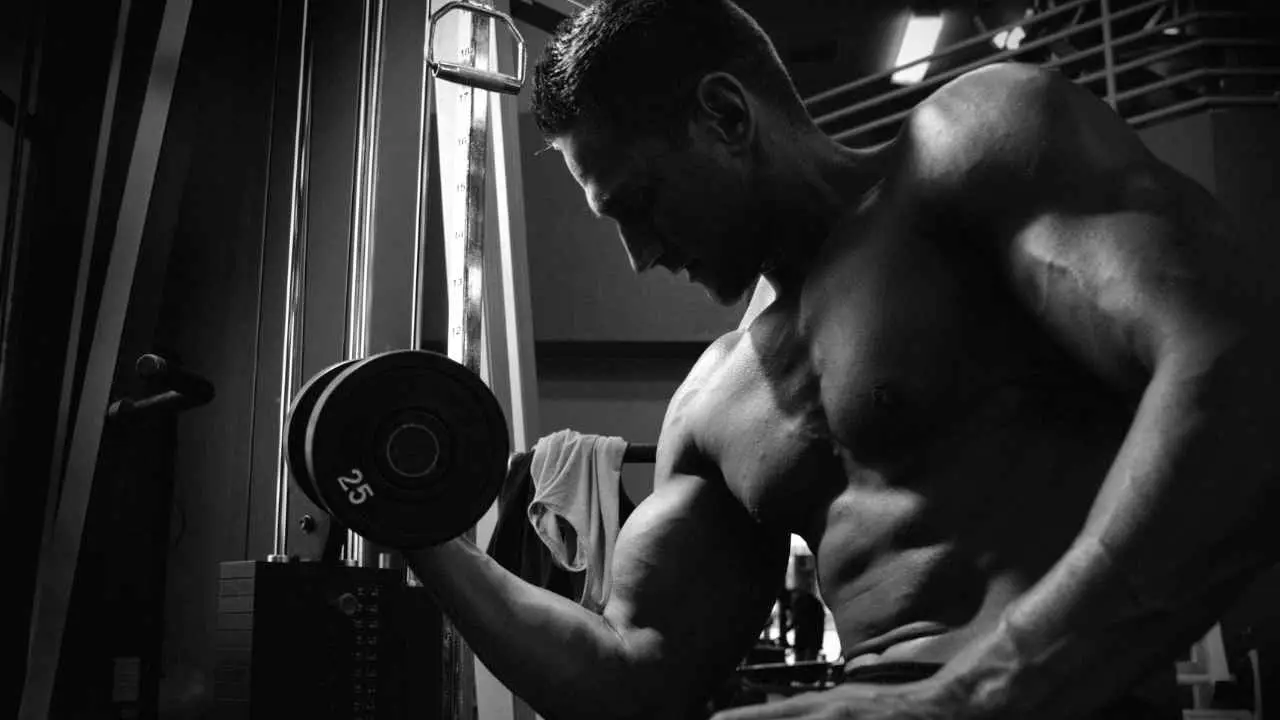
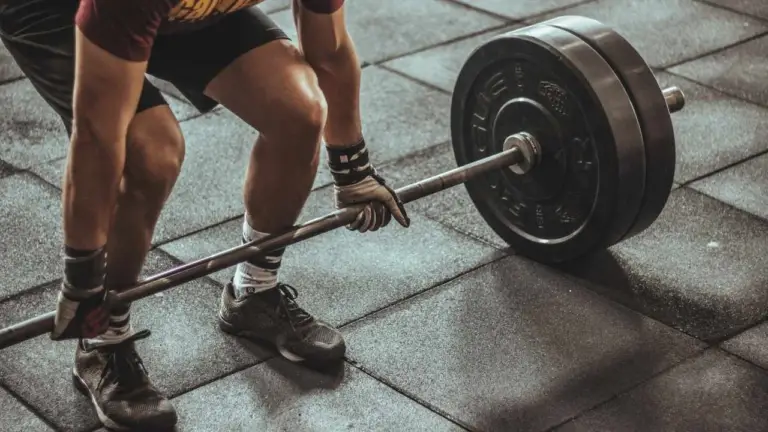
Pushing your body farther than it’s ready to go at that time will likely lead you to a plateau, and you may even regress in your progress.
When it comes to weight training, exposing your muscles to weights much heavier than what you’ve been using may lead to intense muscle soreness and even injury.
Instead, make notes about the weights you’ve been able to safely lift and look for small increases once the current weight feels manageable, or keep the same weights and try for more reps.
Refuel Your Body
Whether you’re completing a low or high-intensity workout, your muscles need ample recovery time to reap the full benefits of the exercises. The right amount of post-workout protein can help muscle tissue repair and glycogen replenishment.
Certain products, like Chakra Nutrition boba tea protein, are designed to give men the boost their bodies need after movement, with unique flavors that add something different to that post-workout drink. Adding these whey proteins to an adequate water supply, alongside post-workout carbohydrates, can help bodies recover faster.
Music Before, During & After
Music can have a profound impact on your ability to perform during a workout class or at the gym. The right playlist can help you shift your mindset into one conducive to exercising and can help fuel and push your body even when the mind is tired.
In addition to the typical workout mix, there are significant benefits to post-workout music. A study in the Indian Journal of Physiology and Pharmacology found that people’s blood pressure, pulse and sense of exertion recovered faster when they listened to slow music after exercise than when they cooled down in silence. So next time you’ve finished a workout, put on a mix of relaxing songs to help your blood pressure and heart rate settle faster.
FAQ
How do you get the most out of your workout?
Train with a plan and recover well. Match your workouts to a clear goal, add weight gradually instead of jumping to loads your muscles are not ready for, refuel with protein and carbohydrates afterward, and use music to push through the session and wind down after it.
Should you focus on cardio or weights?
It depends on your goal. To build strength and muscle tone, focus on weight training, which Harvard Health calls the best way to keep the muscle you have and even regain muscle lost with age. If endurance is the goal, cardio-based exercise is best.
How much should you increase the weight each workout?
Only a little, and only when you are ready. Keep notes on the weights you lift safely and add small increases once the current weight feels manageable, rather than jumping to much heavier loads. If you would rather not add weight yet, keep the same weight and aim for more reps.
What should you eat after a workout?
Protein and carbohydrates, with plenty of water. The right amount of post-workout protein helps muscle tissue repair, and carbohydrates alongside it help your body recover faster. Your muscles also need ample recovery time, whether the workout was low or high intensity.
Is it good to listen to music after a workout?
Yes, especially slow, relaxing music. A study in the Indian Journal of Physiology and Pharmacology found that blood pressure, pulse and sense of exertion recovered faster with slow music after exercise than with a silent cooldown. Before and during a session, the right playlist helps you push on when your mind is tired.
Sources
- Building better muscle, Harvard Health Publishing
- American College of Sports Medicine position stand. Progression models in resistance training for healthy adults, Medicine & Science in Sports & Exercise
- International society of sports nutrition position stand: nutrient timing, Journal of the International Society of Sports Nutrition
- Effect of different musical tempo on post-exercise recovery in young adults, Indian Journal of Physiology and Pharmacology