Two numbers got my attention. Only about 1 in 4 American adults meets the physical activity guidelines, and the NIDDK estimates that 30 to 50 million men in the United States have ED. Those two facts are connected, and that connection is what this guide is about: erectile dysfunction causes, from medical conditions to the everyday choices we make.

What Is the Biggest Cause of Erectile Dysfunction?
Blood flow. The Cleveland Clinic puts it plainly: conditions that affect your body’s ability to deliver blood to your penis are the most common cause of ED. An erection is a vascular event, so anything that damages blood vessels works against it.
Doctors group the causes of ED into a few categories. These include vascular (blood flow), neurological (nerve signals), hormonal (testosterone), certain medications, psychological and emotional issues, and the lifestyle habits that feed into all of the above.
Medical Conditions That Cause ED
Heart Disease, Diabetes, and Obesity
Heart disease and ED are directly linked: atherosclerosis, the vascular disease that hardens and narrows the arteries, reduces blood flow to the penis the same way it starves the heart. ED can even show up before heart trouble does, which is why doctors treat it as an early warning sign.
Diabetes is the second most common cause: half of men with diabetes will experience ED within ten years of their diagnosis. High blood sugar damages the small blood vessels and nerves an erection depends on. Obesity drives insulin resistance and is linked to low testosterone, so excess weight pushes on both levers at once.
Lifestyle plays a big role, and our guide to keeping your body and mind healthy covers the foundations.

Nerves, Hormones, and Injuries
Erections run on nerve signals. Neurological disorders such as multiple sclerosis and spinal cord injuries can cause ED; so can nerve damage from pelvic surgery, a penile injury, or treatment for prostate cancer, including surgery and radiation.
A hormonal shortfall, low testosterone (the main male sex hormone) above all, dulls the whole system. Penile problems like Peyronie’s disease (scar tissue that causes curvature and pain) make erections difficult for mechanical reasons. Your medical history matters here more than your age.
Lifestyle Causes of ED
This is the part you control, and as a man who sits at a desk most days, it is the part I watch in my own life.
Smoking damages blood vessels and restricts the blood flow an erection depends on; over time it contributes to the same arterial plaque as heart disease. The payoff for quitting is real: in mild cases, quitting smoking can lead to improvement within months.
Heavy drinking works against you twice. In the short term alcohol blunts the nervous system’s response; with sustained excess, alcohol use is a recognized lifestyle cause of ED and can drag testosterone down with it.
It can affect relationships too, which connects to our piece on why men pull away and how to handle it.

Inactivity, prolonged sitting (pressure on the perineum), and chronic stress round out the list. And do not discount the emotional side: anxiety, depression, and relationship problems with your partner are well-documented psychological causes, and worrying about ED can itself make it worse.
Medications That Can Cause ED
An estimated 25% of all ED is a side effect of drugs, per Harvard Health. Certain drug classes are the usual suspects, and these drugs include:
- Blood pressure medications, especially diuretics and beta blockers
- Antidepressants and tranquilizers
- Antihistamines and anti-ulcer drugs
- Anti-androgens used in prostate cancer treatment
If you suspect a medication, do not stop it on your own. Talk to your doctor or health care provider; they will usually have options and be able to swap the drug or adjust the dose, and that alone often fixes the condition.
How to Improve Your Erections Naturally
In many cases, the same habits that protect your heart restore your erections. Give the changes time to work; here is where I would start:
Since fitness factors in, our guide to losing stubborn weight is a useful companion.
- Get moving: regular exercise, especially cardio, improves circulation and testosterone
- Reach and maintain a healthy weight
- Quit smoking and tobacco use of any kind
- Cut alcohol back to moderate levels
- Sleep 7 to 9 hours; testosterone is made while you sleep
- Manage stress; exercise, hobbies, and therapy all work
- Talk to your partner; emotional secrecy feeds the anxiety that feeds ED
When to See a Doctor
Most men experience occasional trouble; that is normal and does not need medical care on its own. It is also normal to feel awkward raising it, but if the symptoms show up frequently, or come with low sex drive, see a doctor. Your primary care doctor is the right first stop.
ED can be the first visible sign of a condition you have not been diagnosed with yet, heart disease above all. Expect questions about your medical history and the medicines you take. And age alone is not the verdict: ED becomes more common over the years, but the NIDDK is clear that it is not a routine part of aging.
Beyond lifestyle changes, your options are wider than most men think: treatment options include oral medication, counseling for the psychological side, and vacuum devices.
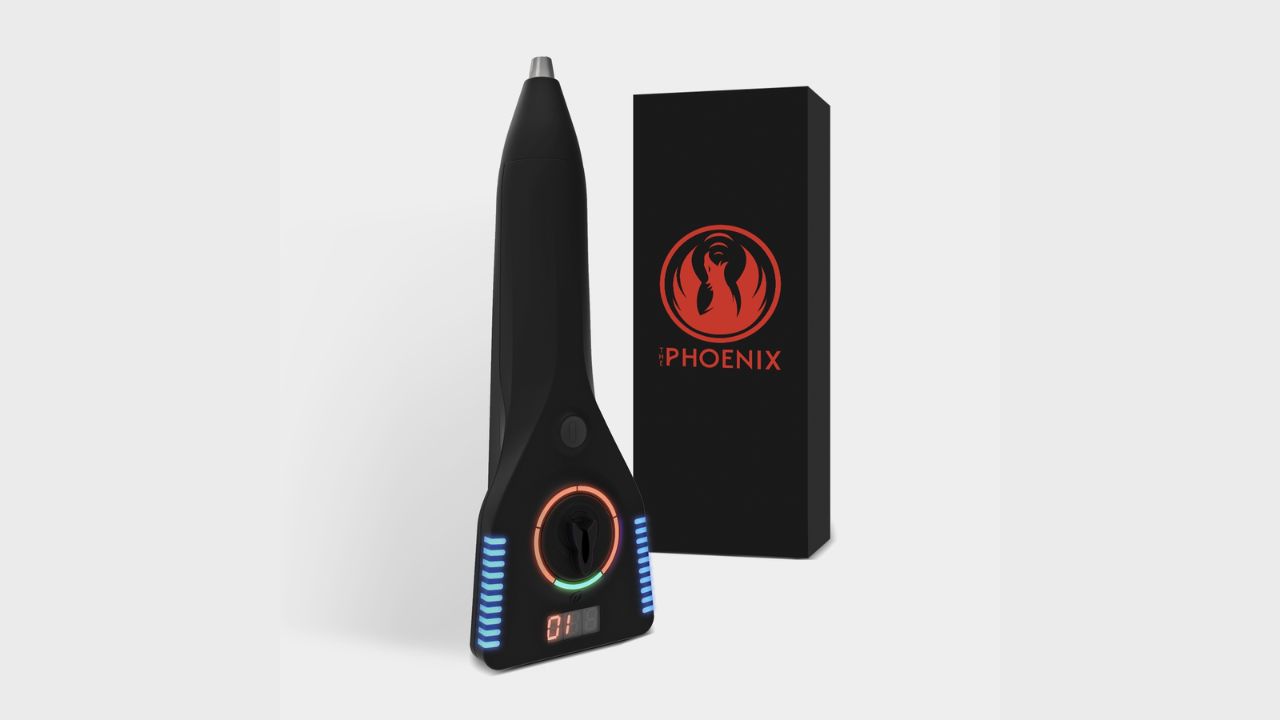
One of the most effective and increasingly popular choices in improving healthier erections is using The Phoenix At-Home Shockwave Therapy Device. Which has had over 1 million treatments performed. The Phoenix uses clinical-grade powerful soundwaves to restore erections and sexual function in men affected by erectile dysfunction.
Treatments help, but none of them is able to do its best work without better daily choices underneath. Your lifestyle is not the whole story of ED, but it is the chapter you get to write yourself.