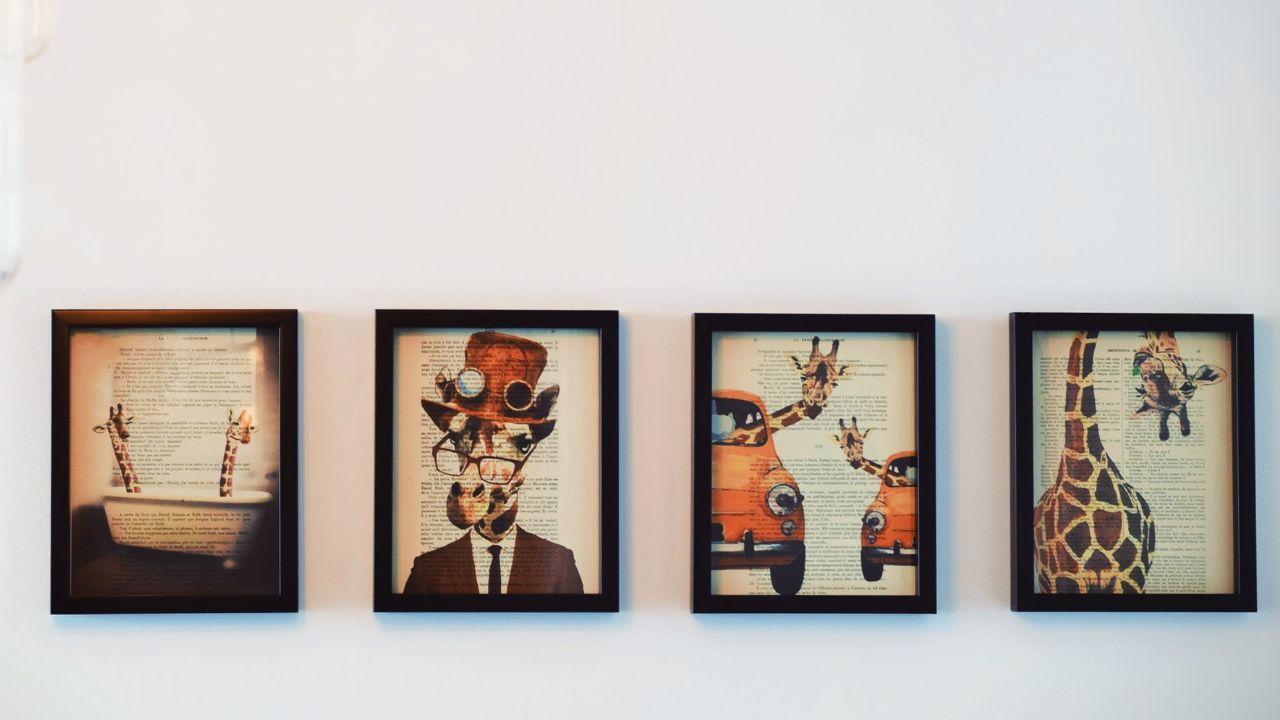
Coordinating wall art in a room may seem simple at first glance, but achieving a cohesive, intentional display requires far more than just filling empty space. Many people struggle to unify artworks that vary in mood, palette, or scale. The challenge lies in creating a visually harmonious arrangement that still allows personality, contrast, and individuality to shine.
Whether you’re polishing your living room décor or rethinking an existing collection, a thoughtful approach transforms random pieces into a curated visual story.
Why Coordinating Wall Art Matters
A purposeful wall display anchors the room and influences its rhythm. When artwork feels too uniform, the space risks becoming predictable. When pieces have no connection, the result can feel chaotic. Striking the right balance allows artworks to “interact,” creating visual continuity while still expressing contrast and depth.
A well-coordinated collection doesn’t appear as if it was purchased in one sitting—it evolves naturally. The best displays feel personal, layered, and reflective of the viewer’s taste.
If you enjoy expressive themes, emotional storytelling, or symbolic compositions, collections such as https://tryartwork.com/famous-top-10-frida-kahlo-paintings these iconic works inspired by Frida Kahlo offer excellent examples of how strong imagery can enrich a room’s visual conversation.
Although there are no absolute rules, interior stylists tend to agree on a few core principles that make coordination easy and intuitive.
1. Coordinate Through Color
Color is often the simplest and most effective way to unify different artworks.
A shared palette—whether dominant or subtle—creates instant cohesion.
This can be achieved by:
- Repeating one or two accent colors across several pieces
- Choosing artworks that echo the tones in your furniture or textiles
- Using neutrals as a grounding base while letting selective colors stand out
Even when content, scale, or style varies, color harmony ties everything together.
2. Use a Theme as Your Anchor
Pieces don’t need to look alike, but a thematic thread helps maintain continuity.
Themes may include:
- Calming organic forms
- Geometric motifs
- Narrative storytelling
- Symbolic elements
- Botanical visuals
- Abstract emotional tones
A theme may be obvious or very subtle. What matters is that it provides direction when selecting or arranging new additions.
3. Mix and Match Frames Carefully
Frames significantly affect how coordinated a grouping feels.
To maintain cohesion:
- Limit your selection to two or three frame styles
- Repeat the same finish across multiple pieces
- Use matching mats to create consistency
- Contrast ornate and minimal frames thoughtfully
Uniform frames create clean predictability; eclectic frames add personality. Choose based on the room’s architectural and decorative style.
4. Play With Scale and Proportion
Varying the size of your artwork creates dimension, rhythm, and balance.
Large pieces command attention; small ones add detail. Consider:
- A large piece surrounded by smaller supporting works
- Two medium works balancing one oversized artwork
- Horizontal pieces complementing vertical ones
Negative space—emptiness around each piece—is essential. It helps prevent visual overcrowding and makes each artwork feel intentional.
5. Position Artwork Thoughtfully Within the Room
Placement changes how connected a collection feels.
To create flow:
- use a strong centerpiece and build around it
- align artworks at a consistent visual height
- distribute color evenly across the wall
- extend a gallery wall vertically for a more modern look
- explore unexpected placements above doorways or in architectural niches
A unified height line (typically 57–60 inches from the floor) ensures artworks feel anchored rather than scattered.
Coordinating Gallery Walls
Gallery walls remain popular because they allow variety and storytelling within a structured format.
To elevate the look:
- Maintain 1–2 inches of spacing between frames
- Alternate large and small pieces for balance
- Incorporate different media—not only prints but also textiles, sculptural elements, or meaningful objects
- Use furniture height and color as a guide for starting placement
A successful gallery wall feels collected over time—not store-bought or overly symmetrical.
Final Thoughts
Coordinating wall art is less about strict rules and more about creating relationships between pieces. When artworks share color, theme, scale, or framing, they begin to form a narrative that enriches the entire room.
Let your art “speak” to each other. Mix styles, experiment with placement, and choose pieces that feel meaningful. With thoughtful curation, your walls become a living expression of identity, harmony, and creativity.