To drill through tile, cover the spot with masking tape, fit a carbide-tipped bit for ceramic tiles or a diamond bit for porcelain and glass, turn off the hammer setting, and drill slowly with light pressure, using water to keep the bit cool. Once the bit breaks through the tile, you can speed up to finish the hole in the wall behind it.
That is the whole process for a towel bar, a shower shelf or a toilet paper holder, and any DIY beginner can do it with a regular drill if they take their time. Here is the best bit for each tile, the steps, and the mistakes that crack tiles or damage the bit.
TL;DR
- To drill through tile, use a carbide-tipped bit for glazed ceramic or a diamond bit for porcelain, glass and stone, with the drill’s hammer function switched off.
- Porcelain is defined as tile with a water absorption of 0.5% or less, so it is denser and slower to drill than ceramic, and a diamond bit drills both when you are unsure.
- Cover the spot with masking tape, mark it near the middle of the tile, start slowly with light pressure, then drill at medium speed.
- Spray water on porcelain and glass as you drill, ease off when the bit breaks through, and size the hole to your wall anchor.
- Most cracked tiles come from hammer mode, too much speed or pressure, holes near the edge, or a diamond bit run dry.
What You’ll Need to Drill Through Tile
The kit is short, and most of it is already in a garage toolbox:
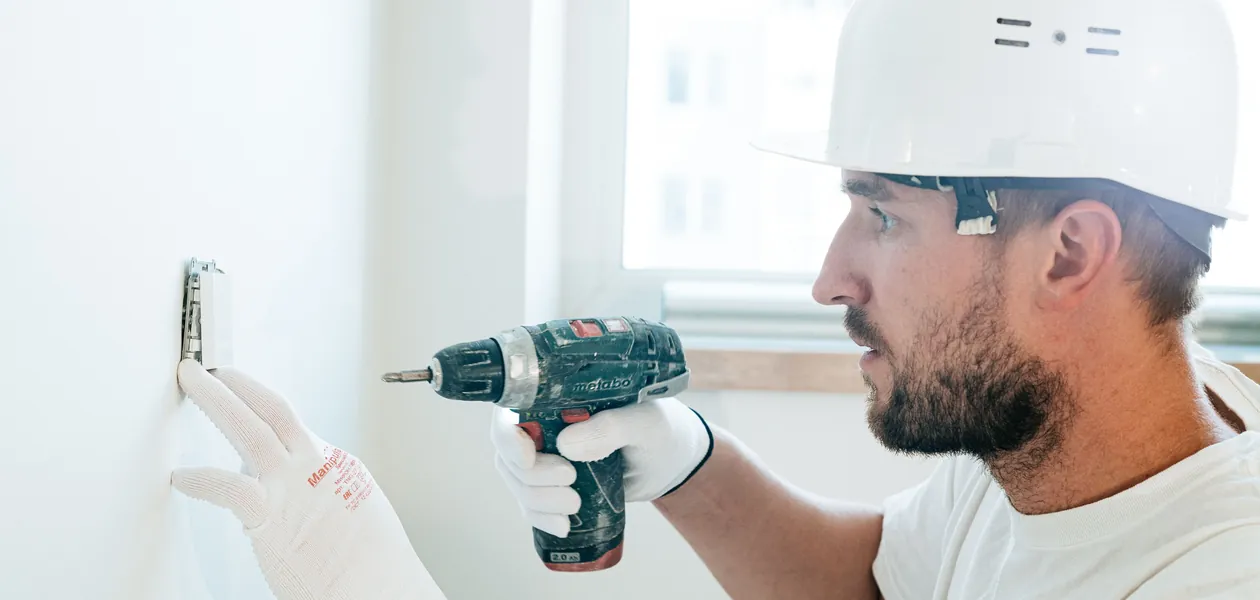
- A drill with the hammer function off. A standard corded or cordless drill is all tile needs. A hammer drill works too, with the hammer setting off.
- The right bit. Carbide-tipped for glazed ceramic, diamond for porcelain, glass and stone, sized to your wall anchors.
- Masking tape and a marker. Tape gives the tip grip on the glaze to prevent it from wandering, and a mark on tape is easy to see.
- A spray bottle of water. Water cools the bit and the tile and keeps dust down.
- Safety glasses and a dust mask. Tile chips fly, and drilling makes fine dust.
Take the mask seriously. Crystalline silica is used to make ceramics, and drilling or cutting materials like stone, brick and concrete creates fine respirable silica dust, according to OSHA. A mist of water and a vacuum nozzle near the hole keep most of it out of the air.
Carbide or Diamond: Choosing the Best Bit
The bit matters more than the drill. For glazed ceramic, a carbide-tipped masonry bit is usually enough, according to This Old House. Porcelain and glass are harder and call for a diamond-tipped bit.
Bosch sorts the choice by scratch hardness on a scale of 1 to 10: a tile or glass bit for soft tiles rated 1 to 3, a masonry bit from 3 to 6, and a diamond bit from 6 up, as its tile drilling guide explains.
Few boxes print that number, so when I can’t tell what a tile is, I treat it as porcelain and reach for the diamond bit.
Can You Use a Regular Drill on Tile?
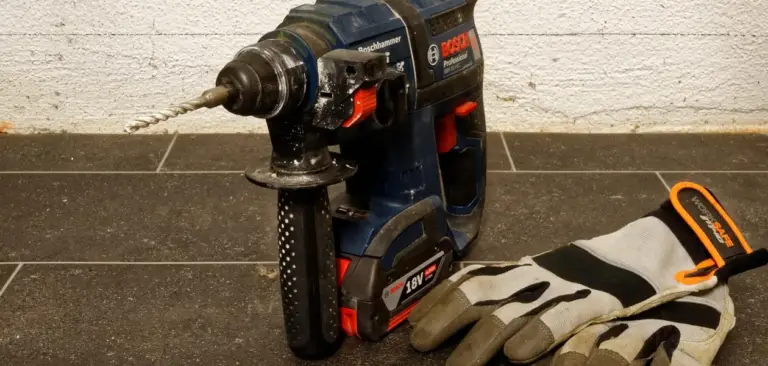
Yes. Tile does not need the pounding action a hammer drill gives concrete, and that action is exactly what breaks it. Bosch is blunt: make sure the hammer function is off, or the tile will break immediately. Any power drill with a variable speed trigger does the job.
Ceramic, Porcelain or Glass? Know Your Tile First

Each type of tile takes a different bit and pace. Ceramic is the softest and easiest to drill. Porcelain is made from finer clay fired at higher temperatures, so it is denser and harder. Glass is the most delicate of the three and chips easily.
How to Tell Ceramic From Porcelain
Porcelain has a strict definition: tile with a water absorption of 0.5% or less in the ASTM C373 test, the Tile Council of North America says. Certified tile can carry the Porcelain Tile Certification Agency mark on its packaging.
If the box is gone, look at a spare or a cut edge. Porcelain is usually the same color all the way through, while glazed ceramic often shows a clay body in a different color under the glaze. Still not sure? A diamond bit drills both.
Glass and Natural Stone
Treat glass tile, marble and granite like porcelain: a diamond bit, plenty of water and a slow speed. If you are still choosing tile, our guide on where to install glass tiles covers the spots it suits.
How to Drill Through Tile Step by Step

These steps work for a towel bar, a grab bar bracket or a shelf on a tiled wall.
- Check behind the wall. Scan above, below and to both sides of the spot with a detector to make sure no water pipe or live wire sits behind it.
- Mark the holes on masking tape. Measure at least three times, use a level for two holes, and mark the tape. Keep holes near the middle of a tile, since the edges crack more easily.
- Set up the drill. Fit the bit, switch the hammer function off and set a low speed.
- Start the hole slowly. Hold the tip on the mark with light pressure until it scratches through the glaze and seats itself. To stop the bit wandering, This Old House suggests first tapping the loose bit with a hammer to make a slight ding.
- Drill steadily and keep it cool. Raise the speed to medium, not full, and keep the pressure steady. On porcelain or glass, spray water on the bit every few seconds. Take your time.
- Break through, then finish the hole. When the bit passes through the back of the tile, ease off, then speed up through the drywall or backer board. Vacuum the dust, fit the anchor and screw the fixture on.
Size the bit to the anchor, not the screw: a plastic wall plug needs a hole that matches its diameter and length. Press each plug in with your thumb and tap it flush with a rubber mallet, the way Bosch does it.
How to Drill Porcelain Tile

Porcelain is where most DIY jobs go wrong, because a carbide bit that breezes through ceramic will barely mark it. Its dense body is what makes it a great shower tile and what makes it slow to drill, so expect it to take longer and don’t lean harder.
Small diamond bits drill like ordinary bits. A hollow diamond core bit has no point to center it, so start it tilted at about 45 degrees until it cuts a small crescent, then bring it slowly upright. A gentle circular motion lets water in and dust out.
Keep the tip wet the whole time. A dry diamond bit overheats and wears out early, and the heat raises the risk of a crack.
Drilling Tile in a Shower or Over a Tub

Protect the tub first. This Old House plumbing expert Richard Trethewey advises laying cardboard in the tub bottom with a towel or two on top, so bits of tile don’t grind into the finish or fall into the drain.
Shower walls hide the pipes for the valve and shower head, so scan carefully and stay clear of the area above and below the valve. Put a dab of clear silicone in each hole before you fit the fixture, so water can’t track into the wall.
Drilling Through Tile and Mortar or Backer Board
What sits behind the tile decides the second half of the hole. Over drywall, the bit goes through quickly and a hollow wall anchor takes the load. Over cement backer board or an old mortar bed, swap to a masonry bit once you are through the tile, just as you would to drill into concrete.
If you hit a wood stud, skip the anchor and drive the screw into the stud.
Bigger Holes: Hole Saws and the Drill and Tap Method

For a pipe or a valve, a small bit won’t do. A carbide-grit hole saw on an arbor cuts clean round holes in ceramic tile, with a drill bit in the arbor to line it up. Start slowly, keep spraying water, and speed up once it has cut a groove. On porcelain, use a diamond hole saw.
No hole saw? This Old House describes a slower option: drill a ring of closely spaced holes around the circle with a 1/4 inch masonry bit, then tap lightly along the ring with a hammer until the center breaks free. Hide the rough edge under an escutcheon plate.
Mistakes That Crack Tile

Almost every cracked or chipped tile comes from one of these:
- Leaving the hammer function on. Hammer action shatters tile almost instantly.
- Too much speed or pressure. Both build heat and stress in a brittle material.
- Drilling too close to the edge. Edges and corners are the weakest part of a tile.
- Running a diamond bit dry. Without water, heat builds quickly and the bit wears out.
- Using the wrong bit or a dull one. A twist bit or a worn masonry tip skates across the glaze and chips it.
What to Do if a Tile Cracks
Stop drilling right away. A small crack the fixture will cover can often be left alone. A bigger one means replacing the tile, which is far easier with a spare from the original batch, so keep the leftovers.
Drilling Into Grout Instead
Grout is softer and easier to patch, but most anchors need a hole wider than a typical grout line, and then the bit chips the tile edges on both sides. Center the hole in the tile instead.
Drilling Through Tile Without a Diamond Bit
On glazed ceramic, a sharp carbide-tipped masonry bit does the job. On porcelain, glass or stone, a carbide bit is slow at best and dulls fast, so a small diamond bit is cheap insurance next to a cracked tile.
FAQ
How do you drill into a tile without cracking it?
Use the right bit with the hammer function off. Cover the spot with masking tape, start at low speed with light pressure, then drill at medium speed while spraying water on porcelain or glass. Keep holes away from the tile’s edges and ease off as the bit breaks through.
Can you use a regular drill to drill into tile?
Yes. A standard corded or cordless drill is all tile needs, because tile does not need hammer action. If you use a hammer drill, switch the hammer setting off first, or the tile can break right away. Run it slowly with the correct bit.
What is the best thing to use to drill through tile?
A carbide-tipped bit for glazed ceramic and a diamond-tipped bit for porcelain, glass and natural stone. If you are not sure what the tile is, use a diamond bit, which drills both. Add masking tape, a spray bottle of water, safety glasses and a dust mask.
Do I need a special drill bit to drill through tiles?
Yes. A regular twist bit skates across hard glaze and chips it. Glazed ceramic needs at least a carbide-tipped masonry or tile bit, and porcelain, glass and stone need a diamond bit. Size the bit to match the wall anchors you will use.
How do you drill through tile in a shower?
Scan for pipes first, especially above and below the valve, and lay cardboard and a towel in the tub. Drill with the right bit and plenty of water, then put a dab of clear silicone in each hole before you mount the fixture so water can’t get into the wall.