To drill into concrete, fit a hammer drill with a carbide-tipped masonry bit, set it to hammer mode, and drill at low speed with steady pressure, pulling the bit out often to clear the dust. For a few anchor holes that is all it takes; for big or deep holes, a rotary hammer is much faster.
Before any concrete drilling, you’ll want to know what is inside the wall or slab, keep concrete dust out of your lungs, and match the bit to your screws. Here is how I tackle a garage shelf, a basement wall or a patio bracket, and what to do when the bit hits rebar and stops cutting.
TL;DR
- To drill into concrete, use a hammer drill with a carbide-tipped masonry bit in hammer mode, at low speed with steady pressure.
- A hammer drill suits holes up to about 1/2 inch, while a rotary hammer drills bigger holes far faster.
- Match the bit to the screw, such as a 5/32 in. bit for 3/16 in. Tapcon screws, and drill 1/4 in. deeper than the screw goes in.
- Concrete dust contains crystalline silica, so catch it with a vacuum at the bit and wear a dust mask.
- If the bit stops at the same depth every time, you have likely hit rebar, so move the hole instead of forcing it.
What You Need to Drill Into Concrete
Concrete is denser and more abrasive than most building materials, which makes it difficult to drill with power tools designed for wood. With the right kit, most home jobs go quickly:
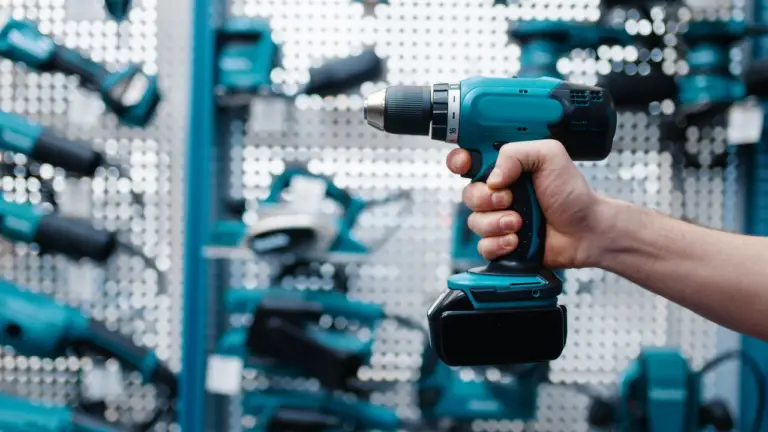
- A hammer drill. It spins the bit and taps it forward thousands of times a minute, and it only starts hammering once you press the bit against the surface.
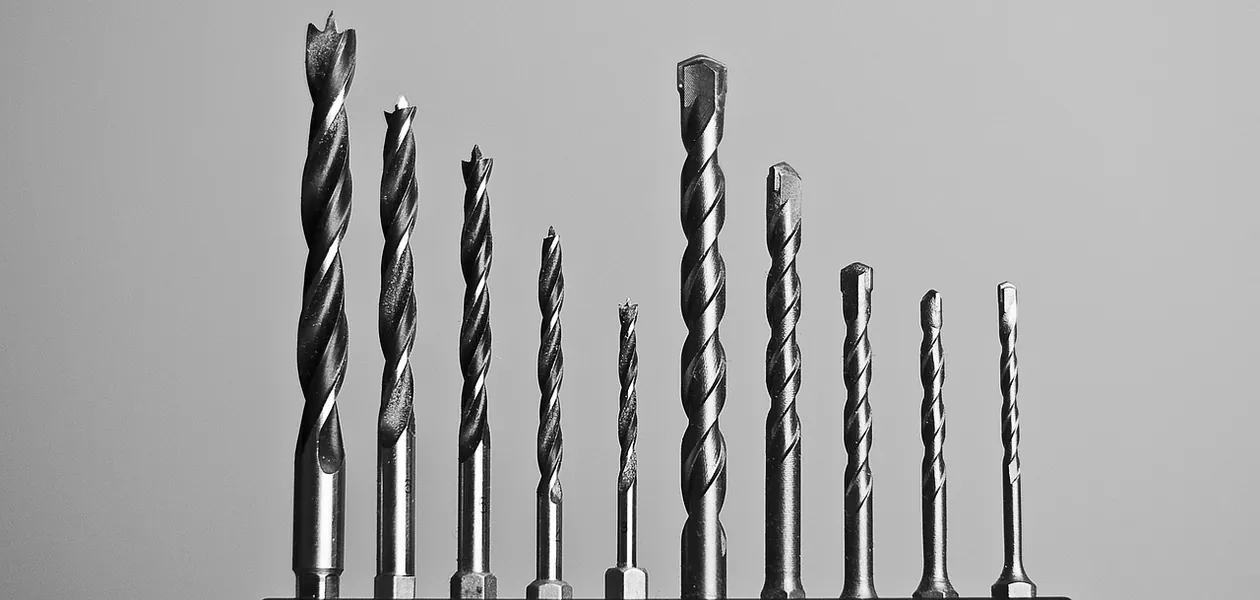
- Carbide-tipped masonry drill bits. Buy the bit size your fastener calls for and keep a spare, because the tip wears quickly in hard materials and a worn drill bit leaves an undersized hole.
- Concrete screws or anchors. For Tapcon screws, the maker pairs a 5/32 in. bit with 3/16 in. screws and a 3/16 in. bit with 1/4 in. screws.
- Safety gear and a vacuum. Safety glasses, ear protection, work gloves and a good dust mask, plus a shop vacuum to catch dust and debris at the hole.
Hammer Drill vs. Rotary Hammer
A hammer drill is the right tool for the small holes most home projects need. Its impact gears vibrate the bit into the concrete, and it stops being practical at holes around 1/2 inch. Hammer drills also do double duty driving screws, a job a rotary hammer isn’t built for.
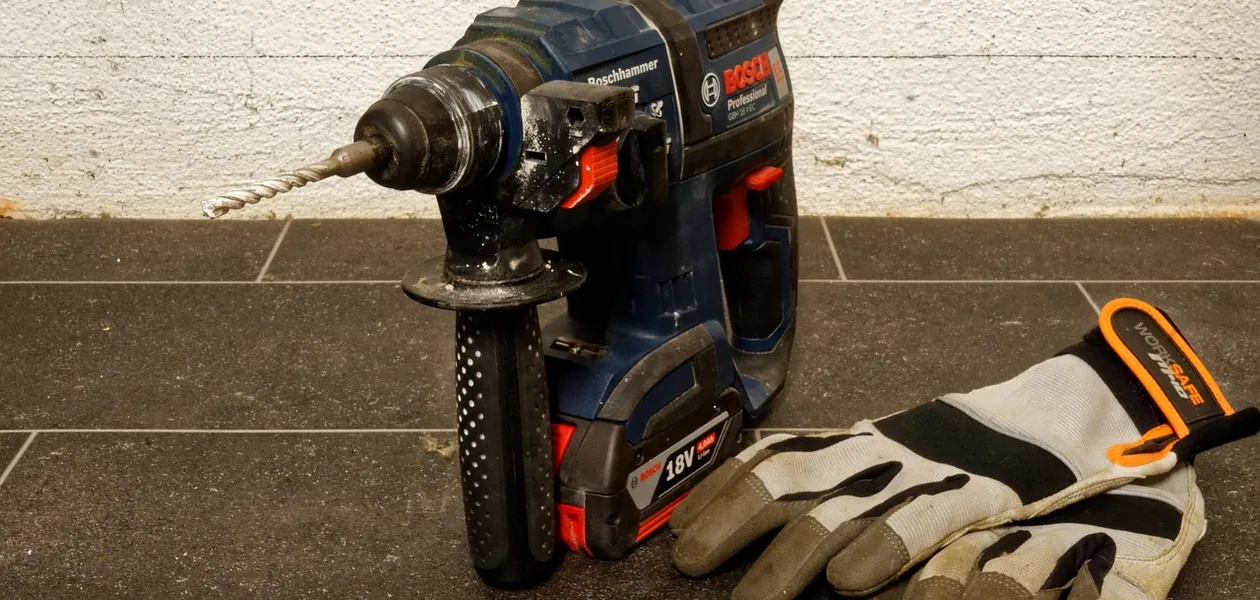
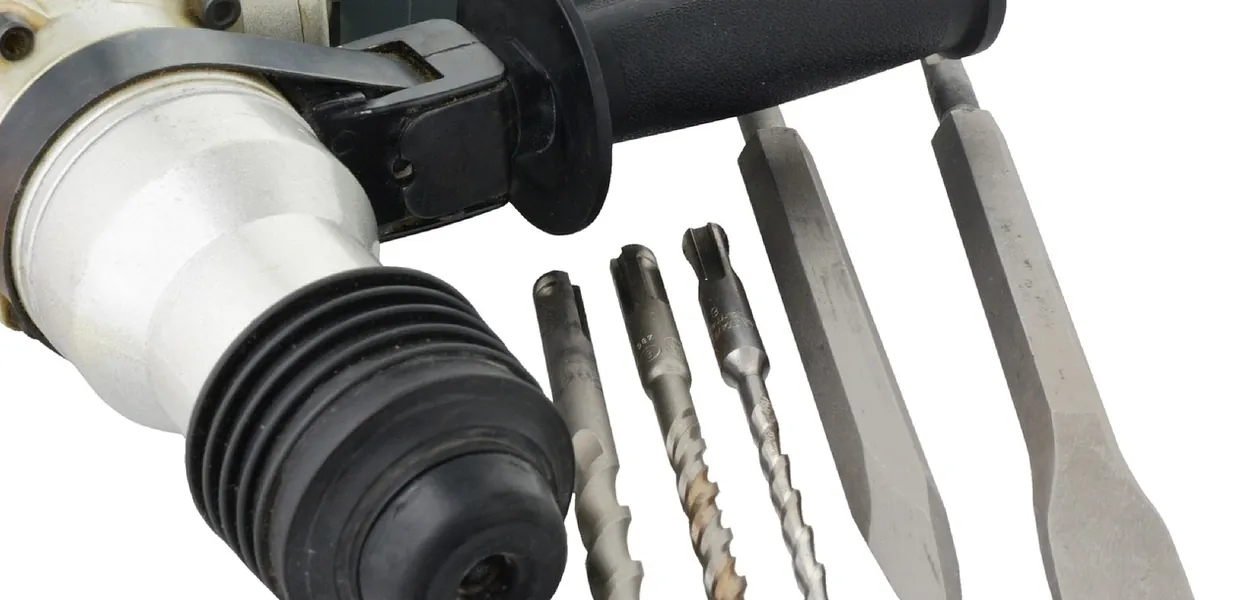
A rotary hammer uses a piston to pound the bit forward, takes SDS-Plus or SDS-Max drill bits, and bores holes up to about 2 inches far faster, as Pro Tool Reviews explains. If you want a dozen big holes in a slab, rent one. For a few anchors, a good hammer drill wins.
Can You Use a Regular Drill?
In soft brick or block, yes: a masonry bit in a regular power drill can bore a pilot hole. In poured concrete it is slow going, and an older or cheaper drill may not have the power, Family Handyman notes.
If it is all you own and you want to try, use a good, sharp bit, expect it to take time, and stop often to avoid overheating it.
How to Drill Into Concrete, Step by Step
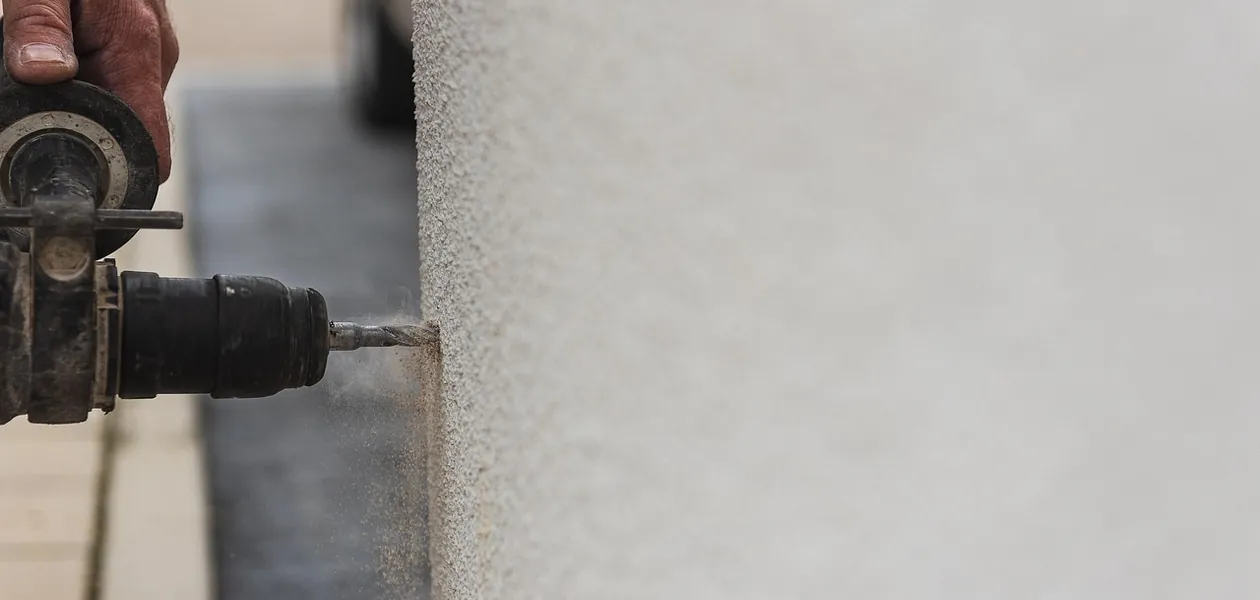
These steps cover a typical job, like installing a shelf bracket on a basement wall with concrete screws, and they work the same way on brick.
- Check what is behind the surface. Make sure no water pipes, wiring or ductwork run where you plan to drill. On a slab that may have rebar or post-tension cables embedded in it, have it scanned first, as pros do with ground-penetrating radar.
- Mark the hole and set the depth. Tapcon’s instructions call for a hole 1/4 in. deeper than the screw’s embedment, with at least 1 in. of embedment. Set the depth stop, or wrap tape around the bit at that mark.
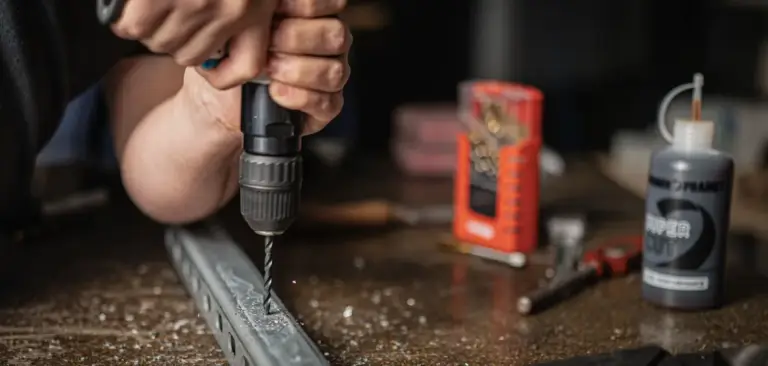
- Start slow in hammer mode. Make sure the selector is on hammer, hold the drill square to the surface and run it slowly until the tip bites. Then let the tool do the work with steady, even pressure. Don’t force it: leaning harder only heats the bit and can break it.
- Drill in stages. Every so often, pull the bit partway out to clear dust from the hole and let it cool. If the tip gets hot, dip it in water before you carry on.
- Clean the hole, then fasten. Debris left inside reduces the screw’s holding power, so blow it out with a bulb or vacuum it. Drive the screw and make sure the fixture sits snug and doesn’t wiggle.
Screw length is simple math: add 1 in. of embedment to the thickness of whatever you are fastening, so a 3/4 in. board takes at least a 1-3/4 in. screw.
The 3/16 in. size handles most home jobs. Step up to 1/4 in. for heavy-duty loads like a wall cabinet or a fully loaded shelf.
When the fixture is already in place, drill straight through its holes into the concrete. The holes line up perfectly, and you skip a round of marking.
Keep Concrete Dust Out of Your Lungs

Concrete and other masonry materials, such as brick and mortar, contain crystalline silica. Drilling them creates fine dust that can travel deep into your lungs and, after years of exposure, cause silicosis, lung cancer and kidney disease, according to OSHA’s silica fact sheet.
OSHA’s construction rule pairs drilling with dust controls such as a vacuum dust collection system. That rule is written for job sites, but the setup is good sense at home too: hold the shop vac nozzle at the bit, wear the mask, and keep everyone else out of the area.
Water cools the bit and keeps dust down, which is why pros use it for big holes with diamond core bits. For a handful of small holes indoors, dry concrete drilling with a vacuum makes cleanup easy.
When Drill Bits Won’t Go Through
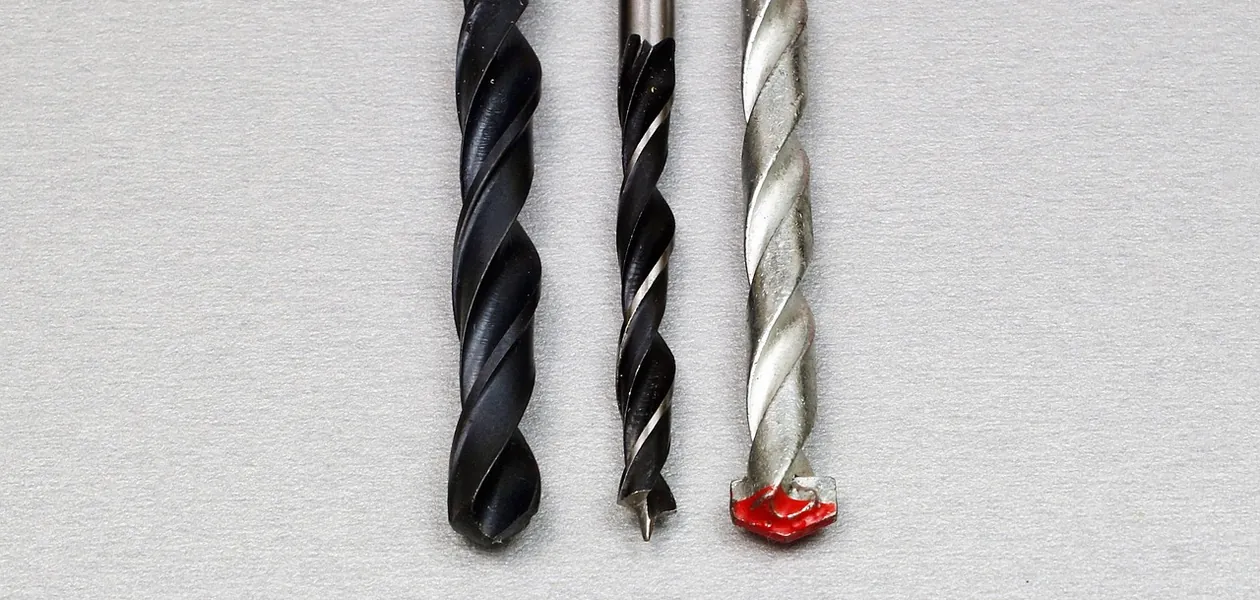
Why Won’t My Drill Bit Go Through Concrete?
Most concrete drilling problems come down to one of three things:
- No hammer action or too little power. A regular drill, or a hammer drill left in drill-only mode, spins without the tapping that breaks up concrete, and an older drill may simply lack the power.
- A worn bit. A dull carbide tip cuts slowly and leaves the hole too small for the screw, so swap in the spare.
- Hard aggregate or steel. Stone in the mix slows any bit, and rebar is far harder going than the concrete around it.
What If You Hit Rebar?
If the bit stops at the same depth no matter how steady your pressure, you have likely hit steel. Don’t force it. Moving the hole a couple of inches to avoid the steel is often the easiest fix when the fixture allows it.
If you don’t know what is inside a structural slab, or post-tension cables could run through it, stop and call a professional who can scan it before drilling.
FAQ
Can a regular drill be used to drill into concrete?
Only for light work. A masonry bit in a regular drill can bore pilot holes in soft brick or block, but in poured concrete it is slow and an older or cheaper drill may lack the power. A hammer drill adds the tapping action concrete needs.
What is the easiest way to drill into concrete?
Use a hammer drill with a sharp carbide-tipped masonry bit in hammer mode. Start slowly so the tip doesn’t wander, keep steady pressure, and pull the bit out every so often to clear the dust. For big or deep holes, a rotary hammer is faster.
Why won’t my drill bit go through concrete?
Usually the drill has no hammer action, the carbide tip is worn, or the bit has hit hard aggregate or rebar. Switch to hammer mode and swap in a fresh bit. If it stops at the same depth every time, move the hole a couple of inches.
Can I screw straight into concrete?
Not without a pilot hole. Concrete screws such as Tapcon need a hole drilled with the matching masonry bit, 5/32 in. for 3/16 in. screws or 3/16 in. for 1/4 in. screws, and 1/4 in. deeper than the screw’s embedment. Blow the dust out before you drive it.
Should I use water when drilling concrete?
Not for a few small holes. Indoors, dry drilling with a vacuum at the bit is cleaner, and you can dip a hot bit in water to cool it. Water matters most for big holes cut with diamond core bits, where it cools the bit and keeps dust down.
Sources
- Tapcon Installation Instructions, 3/16 in. and 1/4 in. Concrete Anchors, Tapcon
- OSHA’s Respirable Crystalline Silica Standard for Construction, Occupational Safety and Health Administration
- 8 Tips for Drilling Concrete and Installing Fasteners, Family Handyman
- The Difference Between a Rotary Hammer and a Hammer Drill, Pro Tool Reviews