To use a screw extractor, drill a small pilot hole in the center of the damaged screw, insert the extractor, and turn it counterclockwise. Its reverse threads bite harder the more the screw resists, so the screw backs out instead of spinning in place.
Reach for one when a stripped screw head won’t hold a screwdriver anymore, or when a screw or bolt has broken off below the surface. Screw extractors work in wood and metal, and you’ll also need a hammer, a center punch, a power drill and a tap wrench or locking pliers.
TL;DR
- To use a screw extractor, drill a pilot hole dead center in the damaged screw, seat the extractor and back the screw out counterclockwise.
- Spiral extractors are tapped into a pilot hole and turned by hand, while double-ended bits run in a drill set to reverse.
- Protect your eyes, soak rusty fasteners in penetrating oil, and center-punch the head so the drill starts true.
- Match the extractor to the screw’s diameter and use the drill size the maker pairs with it, such as 7/64 in. for an IRWIN #2 spiral extractor.
- When an extractor slips, tap it harder, add oil or heat, or go one bit size up, but never force it, because a broken extractor is far harder to get out than the screw.
How to Use a Screw Extractor on a Stripped Screw
Most extractor sets use one of two designs, and the steps below cover the first:
- Spiral extractors have a tapered left-hand thread. You drill a pilot hole, tap the extractor in, then turn it by hand with a tap wrench.
- Double-ended bits fit a drill set to reverse. One end grinds a clean seat in the screw head; flip the bit, and the other end bites and spins the screw out.
1. Protect your eyes. Wear safety glasses. Drilling steel throws small, sharp chips, and a tool that snaps under load can send a piece flying.
2. Soak and punch the center. On rusted metal fasteners, apply penetrating oil and give it time to help loosen the threads. Then strike a center punch once in the middle of the screw head so the drill bit can’t wander.
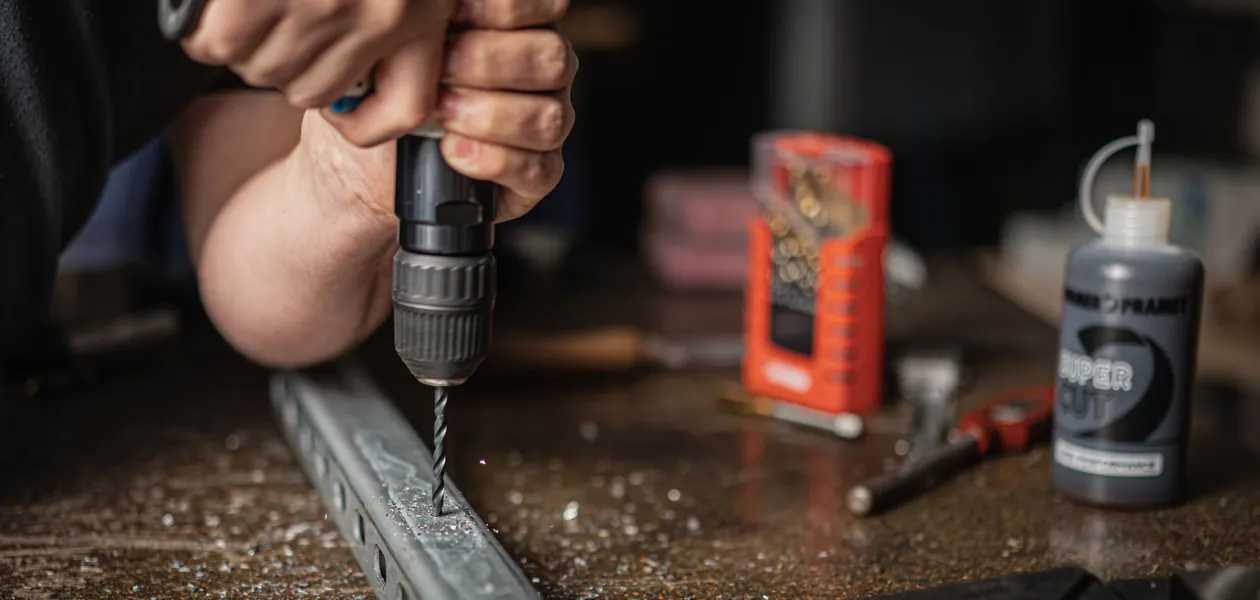
3. Drill a pilot hole. Use the bit size in your extractor’s sizing guide and keep the drill slow, straight and lightly loaded. A bit that skates on a jagged break needs a smaller starter bit first. Left-hand drill bits, run in reverse, sometimes catch the screw and remove it before you need the extractor.
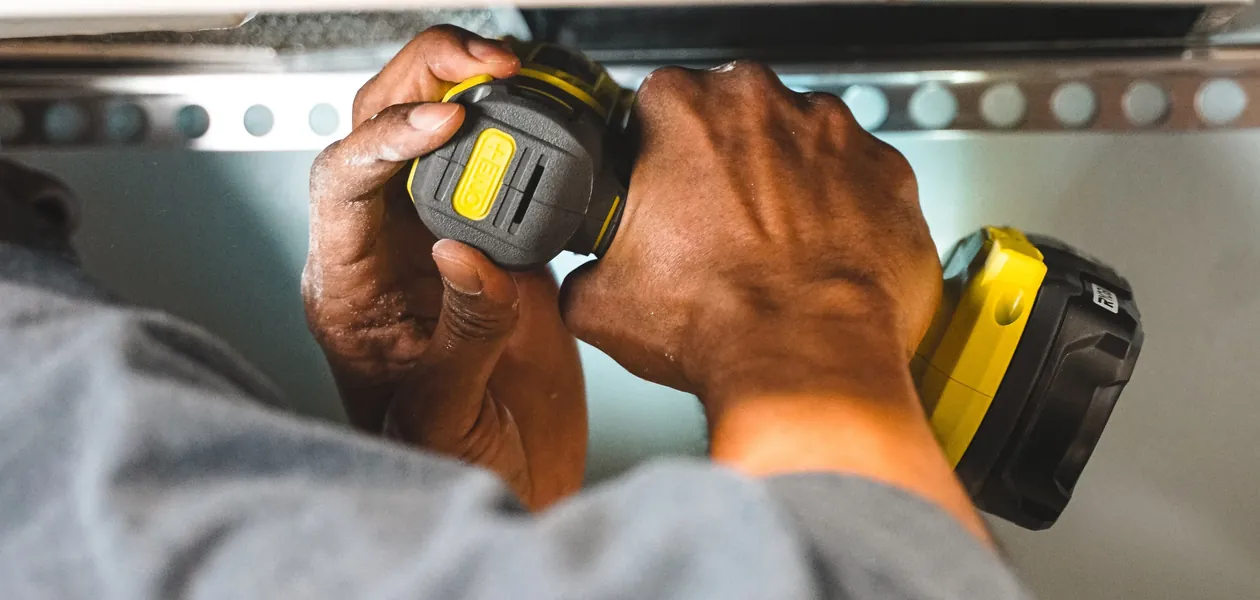
4. Insert the extractor. Push it into the drilled hole and give it a firm tap with a hammer so the flutes grab. A loose extractor will spin without biting.
5. Back it out counterclockwise. Turn slowly with a tap wrench or locking pliers while pressing down; the spiral digs deeper as resistance builds, so steady pressure works best. Keep the wrench square, because hardened steel is brittle and sideways pressure can snap an extractor inside the screw.
A double-ended bit makes the job faster. Set the drill to reverse, grind a smooth seat with the burnishing end, then reverse it in the chuck and drive the extractor end at slow speed with firm pressure until the screw comes free.
Sizing Extractors for Screws and Broken Bolts
What Size Screw Extractor to Use
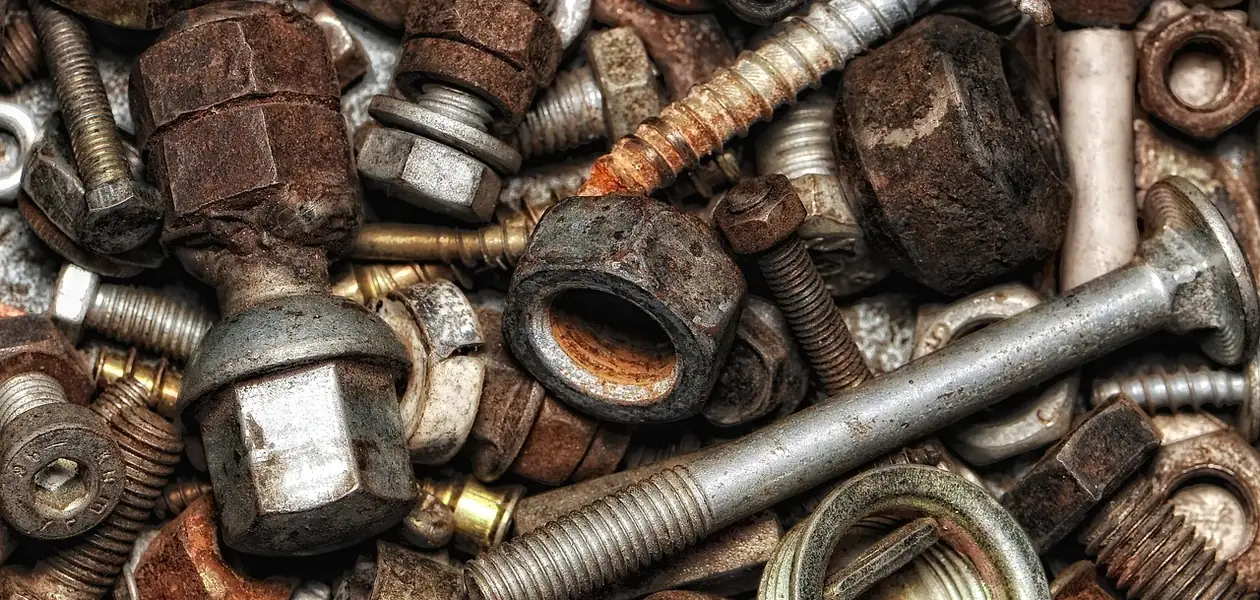
Pick the extractor by the screw’s diameter, then use the drill size the maker pairs with it. IRWIN etches both sizes on each extractor, and its selection chart pairs a #2 spiral extractor, built for No. 6 to No. 12 screws, with a 7/64 in. drill bit.
Respect that pairing. Drill too big a hole and the flutes can’t reach the walls; pick too big an extractor and the hole it needs leaves the screw’s walls too thin to hold. The same chart runs up to bolts more than two inches across.
When the Screw Extractor Is Not Working
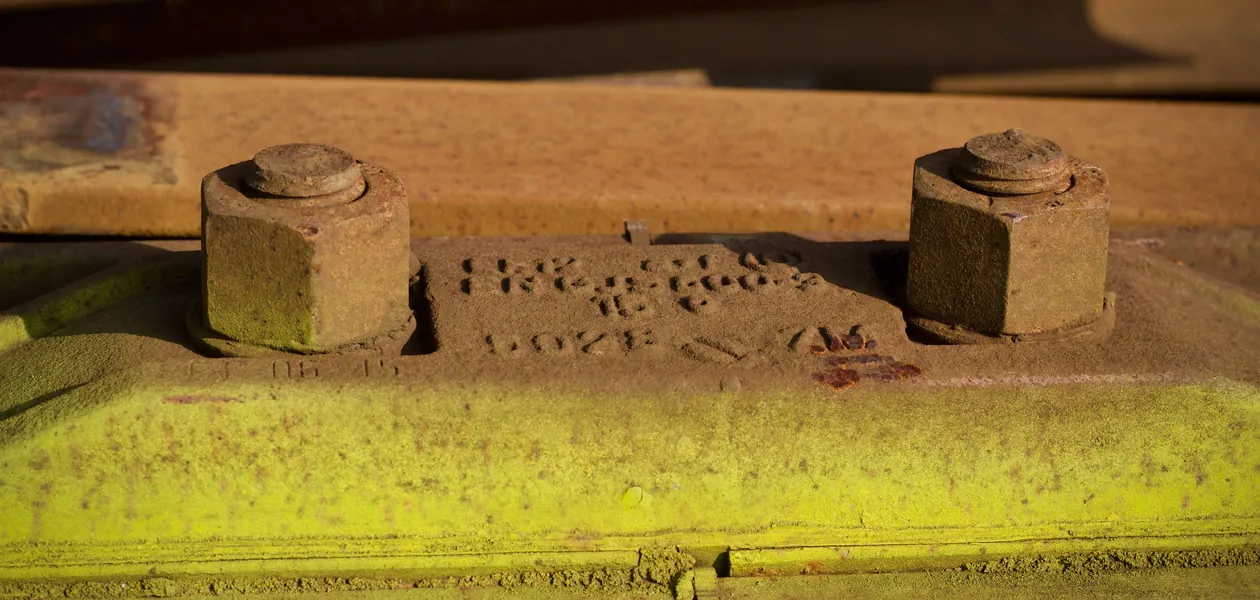
When it won’t grab, tap the extractor in a little harder and try again. On metal, let penetrating oil soak for about 30 minutes, add heat if the part can take it, or drill one bit size larger and try again, the same fixes Family Handyman recommends.
Don’t force it. A snapped extractor is hardened steel that a standard drill bit will barely scratch, which turns a stuck screw into a much bigger job. Still stuck? Drill it out: in wood, replace it with a larger screw; in metal, re-cut the threads with a tap.
FAQ
How do you use a screw extractor?
Drill, seat, then twist counterclockwise. Center-punch the stripped head, drill a pilot hole with the bit size your extractor calls for, knock the extractor in with a hammer, and turn it slowly with a tap wrench while pressing down. Its left-hand flutes tighten their grip as the screw fights back.
How effective are screw extractors?
Very effective when they are sized right. A matched extractor in a centered pilot hole usually gets a stripped or broken screw out quickly, which is why it is worth trying before you drill the screw out completely. Badly rusted metal is harder, so soak those threads in penetrating oil first.
Do I need a drill to use a screw extractor?
Usually, yes. You need a drill to bore the starter hole a spiral extractor grips, and double-ended bits run in a drill set to reverse. Once the hole is drilled, you turn a spiral extractor by hand with a tap wrench, not the drill.
Do you hammer in a bolt extractor?
Yes, with a firm tap. Once the hole is drilled, give a spiral extractor a solid hammer tap so its flutes seat against the walls, or it will slip instead of gripping. If it still won’t catch, tap it a little harder before you start turning.
What size screw extractor should I use?
The one matched to the screw’s diameter. Most sets include a sizing chart, and IRWIN etches the extractor size and drill bit size on each tool. Its chart pairs a #2 spiral extractor, made for No. 6 to No. 12 screws, with a 7/64 in. drill bit.