Interior design styles are the recognizable looks that shape a home, each defined by its own colors, palettes, materials and furniture shapes. The most popular ones today include modern, contemporary, mid-century modern, transitional, farmhouse, Scandinavian, Japandi, industrial, boho and French country, and most homes blend two or three of them.
Knowing the names helps more than you might think. It gives you the right words to search for inspiration, it tells you which furniture and accents belong together, and it helps a room feel pulled together instead of like a pile of things that never quite match.
Below are 20 styles worth knowing, grouped by family, with the traits that define each one, followed by how to find your own style and mix two of them without the house feeling confused.
TL;DR
- Interior design styles are recognizable looks defined by their colors, materials, furniture shapes and amount of decoration, and most homes blend two or three of them.
- Modern design is a specific movement from the first half of the 20th century, rooted in schools like the Bauhaus, while contemporary design simply means whatever is current.
- Mid-century modern, Art Deco and industrial are 20th-century classics, while minimalist, Scandinavian and Japandi share a calm, pared-back approach built on natural materials.
- Traditional, transitional, farmhouse, French country, coastal, Mediterranean, boho, eclectic and Hollywood Regency each have their own palette, from greige and cream to terra-cotta, black and gold.
- To find your style, save photos of rooms you love and look for what repeats, then mix two styles with one leading and the other used for accents.
What Is an Interior Design Style?
A design style is a shared set of choices. When a room uses the same kind of palette, materials, shapes and level of decoration again and again, you recognize it as one look, the way you recognize a tailored suit or a pair of work boots.
There is no official list. Design guides count anywhere from about a dozen styles to more than 50, because new names keep appearing as trends split off from older looks. Most of them come back to a few families: modern, traditional, country, coastal and free-spirited.
To identify a style, look at four things:
- Color palette. Warm or cool, light or dark, neutral or saturated.
- Materials. Wood, metal, stone, glass, linen, velvet or rattan, and how polished or raw they are.
- Furniture shapes. Straight and sleek, curved and organic, or carved and ornate.
- Amount of decoration. Bare surfaces at one end, collections and pattern everywhere at the other.
Color is usually the fastest clue. Crisp white and pale wood point to Scandinavian, deep jewel tones with brass point to Art Deco or glam, and sun-baked terra-cotta points to Mediterranean. Rich, deep shades used with restraint tend to make any style look more expensive than a room full of bright accents.
Modern vs. Contemporary: The Difference
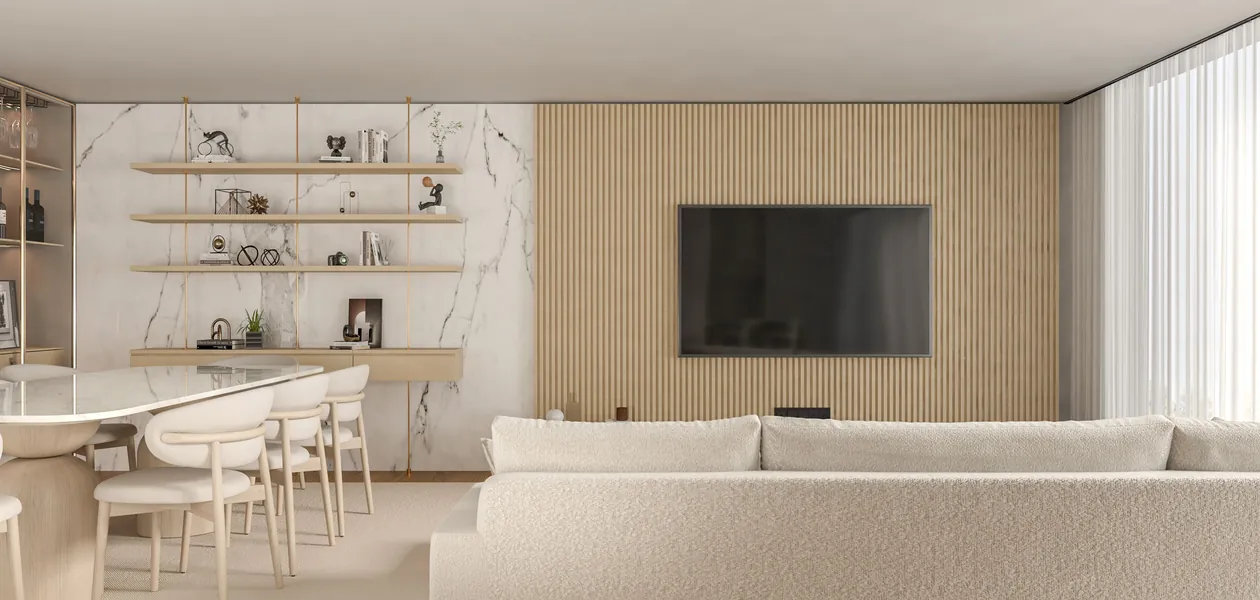
These two words get swapped all the time, but they mean different things. Modern design is a specific movement from the first half of the 20th century. Contemporary design is simply whatever is current, so it keeps changing.
Modern. Modern interiors trace back to schools like the Bauhaus. Tate describes the Bauhaus as a revolutionary school of art, architecture and design that Walter Gropius founded in Weimar, Germany, in 1919, with the aim of bringing art back into everyday life.
The Nazis closed the school in 1933, but its thinking lived on. It gave modern rooms their clean lines, open plans, neutral colors, tubular steel and almost no ornament.
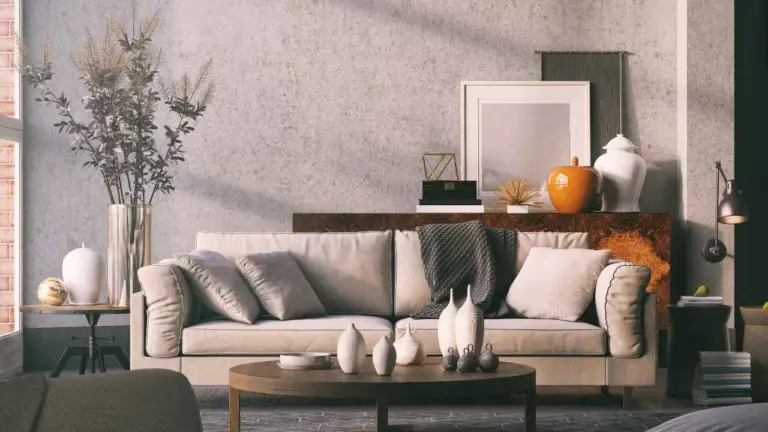
Contemporary. Contemporary style borrows modern simplicity but adds the materials, curves and colors popular right now. Today that means rounded sofas, warm neutrals, boucle and natural stone, a softer look often called organic modern. In ten years, contemporary will look different again, while modern will still mean the same thing.
A quick test helps. If a room looks like it could have been photographed in 1955 or 1965, it is modern or mid-century. If it looks like it was finished last year, with the colors and shapes you see in new stores and hotels right now, it is contemporary.
Modern Classics of the 20th Century
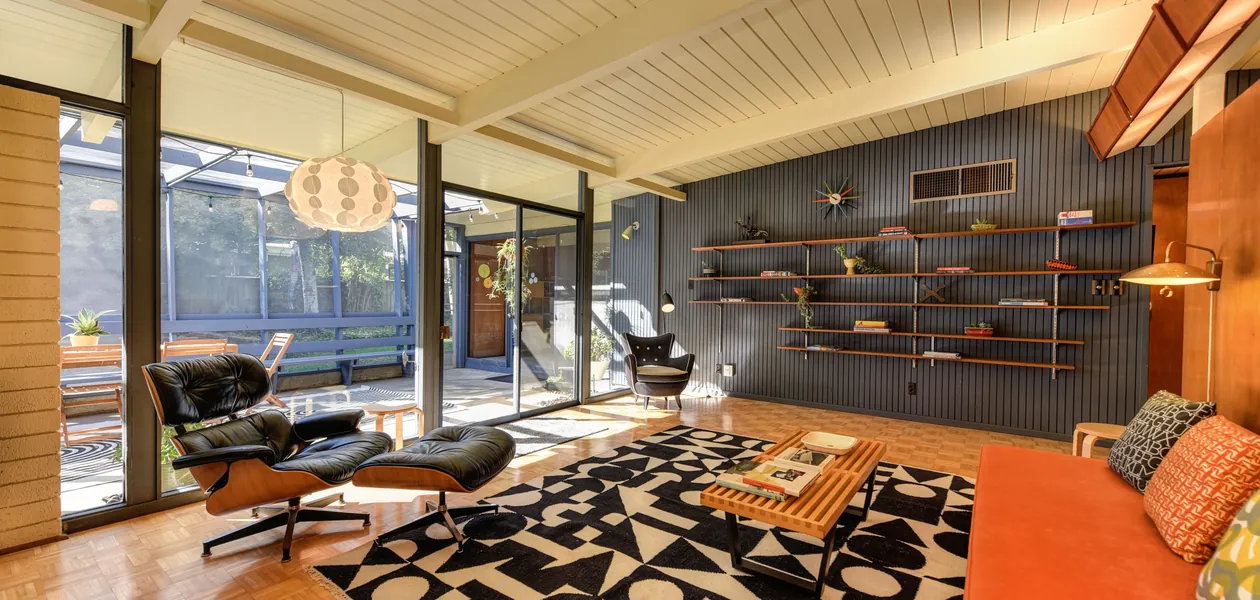
These three styles were born in specific decades, and furniture makers still produce many of their designs.
Mid-Century Modern
Mid-century modern covers design from roughly the mid-1940s to the late 1960s. Look for tapered legs, low profiles, organic curves, warm woods like teak and walnut, and pops of mustard, olive and orange against neutral walls.
Its icons are still in production. Charles and Ray Eames designed their Lounge Chair and Ottoman as a modern take on the 19th-century club chair, and Herman Miller has made it continuously since introducing it in 1956. Mix one sleek, real piece with simpler furniture and the room reads mid-century without becoming a museum.
Art Deco
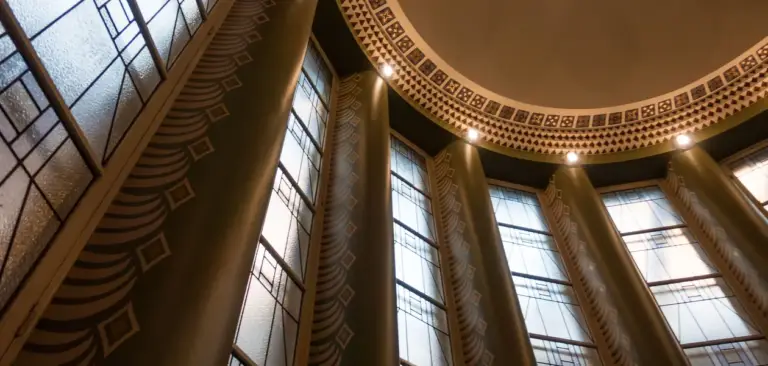
Art Deco is the glamour of the 1920s and 1930s, the look of The Great Gatsby and the Chrysler Building. The V&A’s introduction to Art Deco names the 1925 Paris exhibition of modern decorative and industrial arts as a pivotal moment for the style, known then as Style Moderne; the name Art Deco was only coined in the 1960s.
Expect bold geometric patterns, sunbursts and zigzags, rich colors like emerald, navy and black, and shiny materials: brass, chrome, lacquer, mirror and velvet. Our guide to Art Deco interior design shows how to get the look without overdoing it.
Industrial
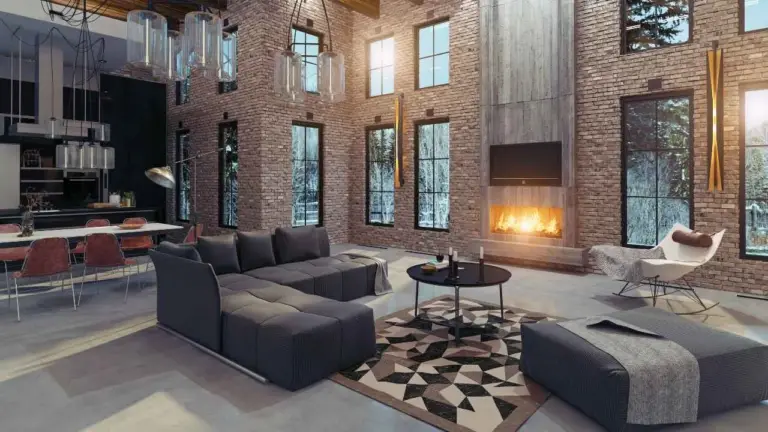
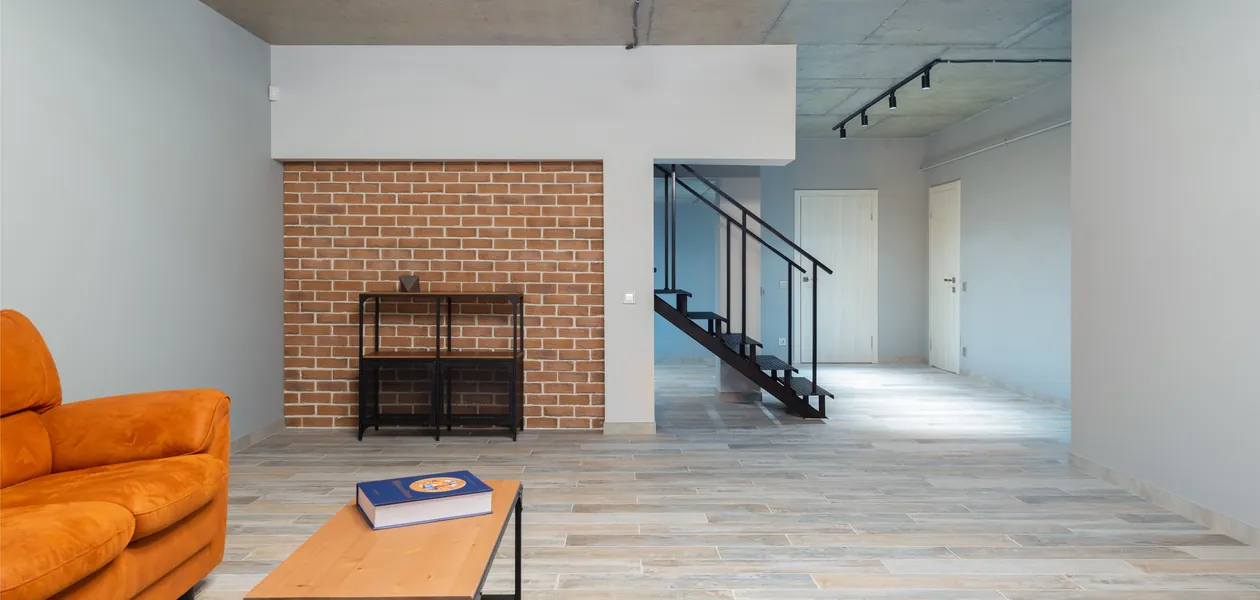
Industrial style grew out of old factories and warehouses converted into loft apartments. Instead of hiding the building, it shows it off: exposed brick, ductwork, steel beams, concrete floors and big metal-framed windows.
Furniture mixes raw metal with worn wood and leather, and lighting leans on bare Edison bulbs and factory pendants. The palette stays gray, black, rust and brown, which is why the style suits a man’s apartment so well. Add a rug and plenty of texture so it feels warm rather than like a garage.
You do not need a real loft to get the look. A reclaimed wood dining table, metal shelving, a leather sofa and one wall of brick or concrete-effect finish bring the industrial feel into an ordinary house or apartment.
Calm, Pared-Back Styles
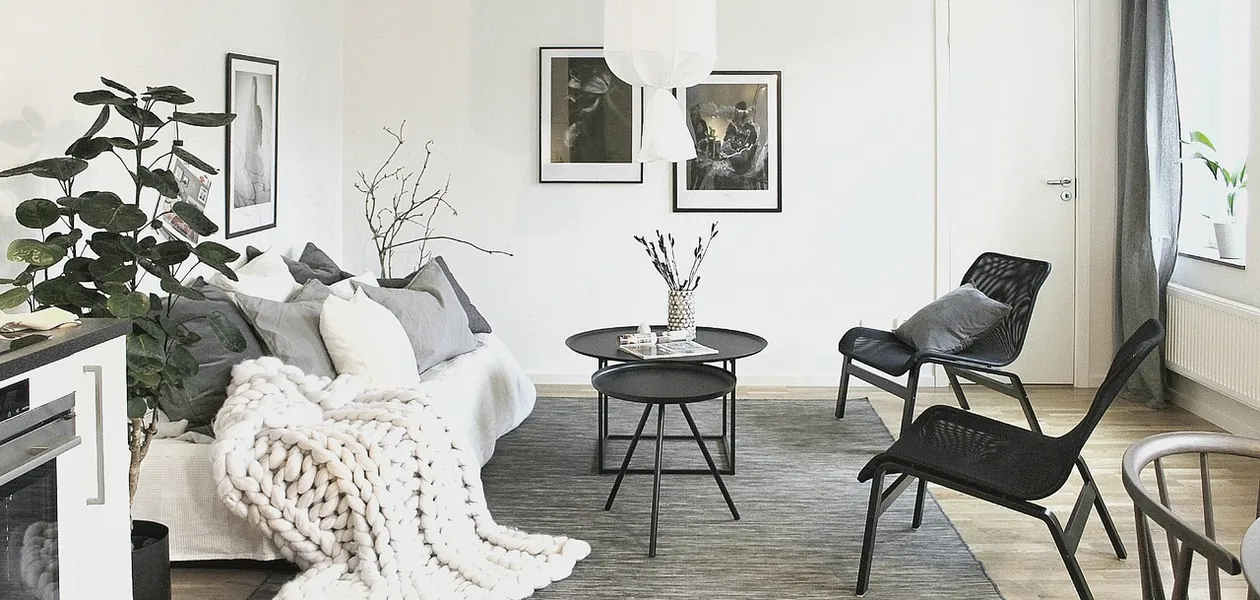
These styles share one idea: fewer, better things, natural materials and plenty of empty space.
Minimalist
Minimalism keeps only what a room needs. Clean lines, a restrained neutral palette, hidden storage and open floor space do the work, and texture from wood, wool and linen keeps it from feeling cold. The phrase “less is more” sums it up. Our guide to minimalist interior design covers how to create it room by room.
Scandinavian
Scandinavian design comes from Denmark, Sweden, Norway and Finland, where long, dark winters make daylight precious. Walls stay white or pale gray, floors are light wood, and furniture is simple, functional and comfortable.
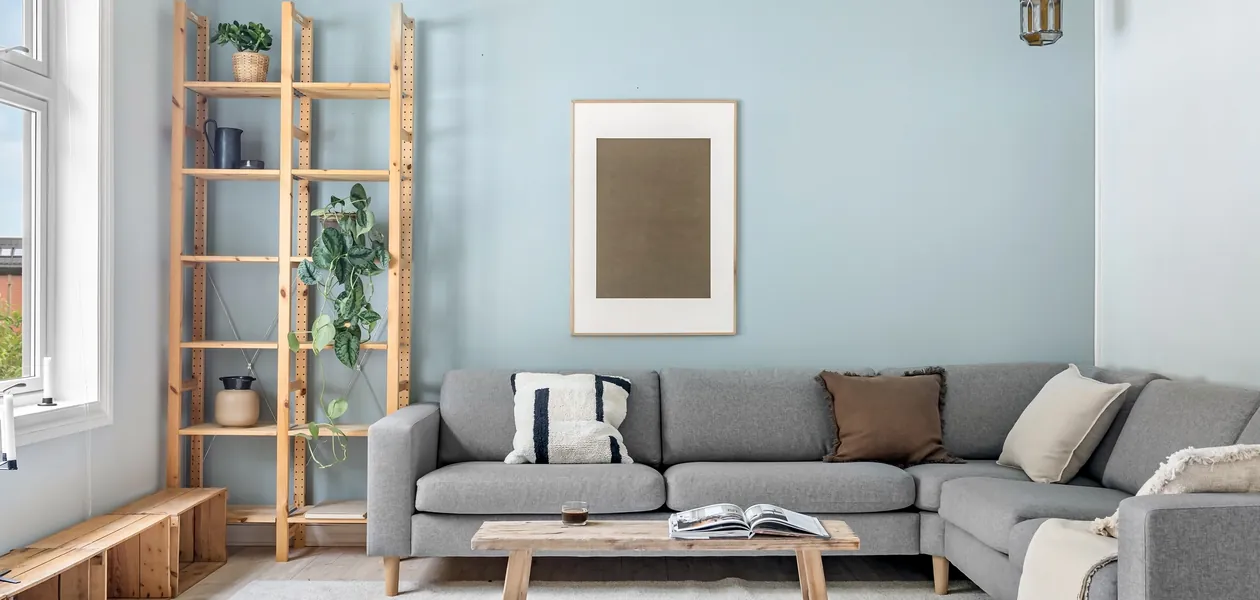
Two ideas from the region shape the feel. The Danish hygge is about coziness: candles, wool throws and soft lamps. The Swedish lagom means “just enough,” which keeps the room practical and uncluttered.
Furniture tends to be light in weight and in color: birch and ash, slim legs, rounded edges and wool or sheepskin draped over chairs. Lighting matters as much as furniture, with several warm lamps at different heights instead of one bright overhead light.
Japandi
Japandi blends Japanese and Scandinavian design. Both value nature, craft and calm, so the mix feels natural: low furniture, light and dark woods side by side, paper lamps, stone and linen.
The Japanese side brings deeper accents like charcoal, black and earthy greens, plus the idea of wabi-sabi, which finds beauty in imperfect, aged and handmade objects. A rough ceramic bowl or a slightly uneven oak table fits right in.
Timeless and In-Between Styles
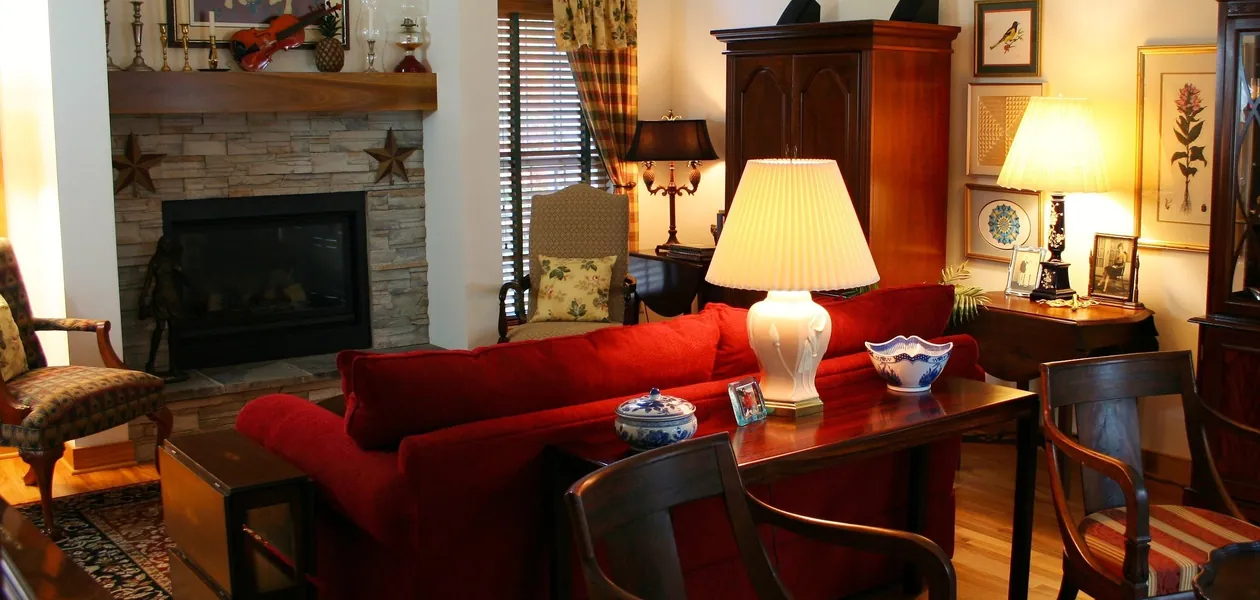
If you like classic furniture but not the formality that comes with it, this family covers both ends.
Traditional
Traditional design draws on 18th and 19th-century European homes. Rooms are symmetrical, often arranged around a fireplace, with dark polished wood, carved details, crown moulding and rich fabrics like damask, silk and velvet.
Colors run deep: burgundy, forest green and navy, balanced by cream. Patterns appear on rugs, upholstery and drapery. Done well, it feels like a gentleman’s library: warm, ordered and built to last.
Traditional does not have to mean stuffy. A pair of leather club chairs, a Persian rug, brass lamps and framed art give you the same character with fewer, better pieces, and they work in a modern apartment as well as an old house.
Transitional
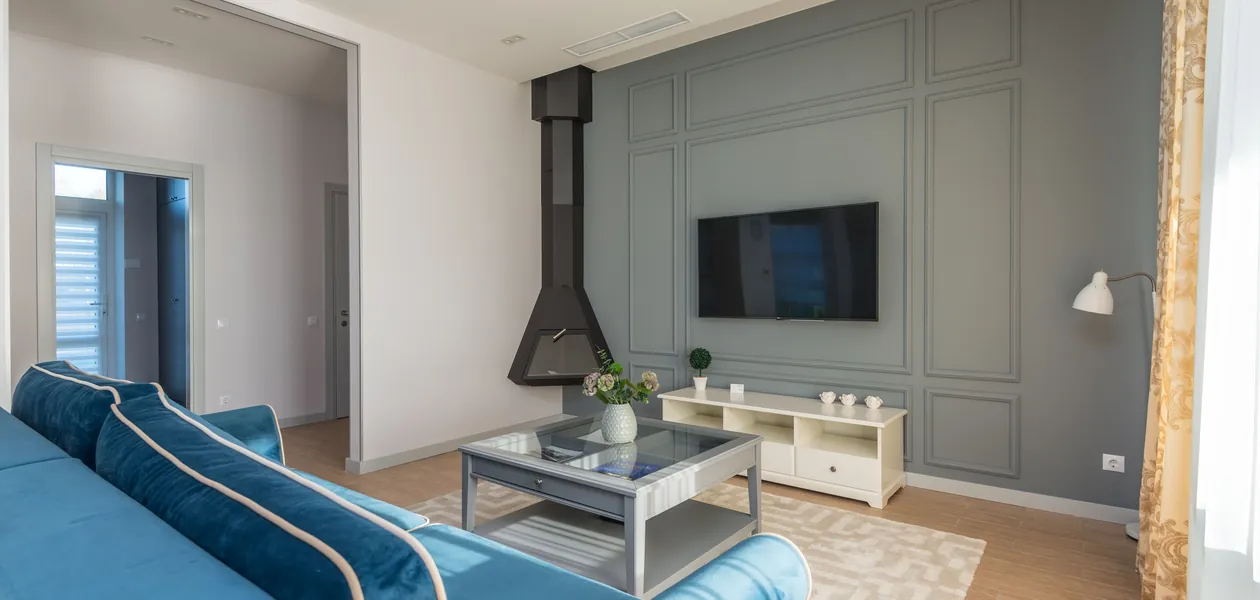
Transitional style sits between traditional and modern, and it is one of the most popular choices in American homes because it is easy to live with. Classic shapes, like a rolled-arm sofa or a wingback chair, get simpler lines and quieter upholstery.
The palette stays neutral, from greige and taupe to soft white, and pattern is used sparingly. Texture adds the interest instead. If you cannot decide between your parents’ furniture and a sleek new apartment look, transitional is usually the answer.
Country and Rustic Styles
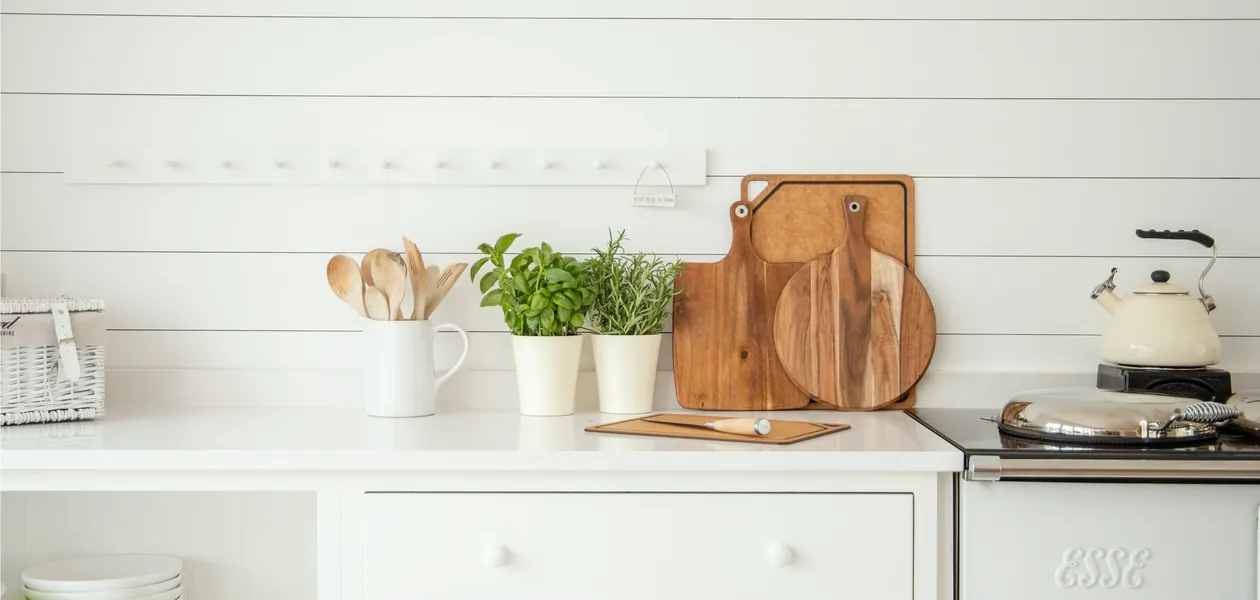
These looks bring the countryside into the house, from an American farm to a cottage in the south of France.
Farmhouse
Farmhouse style takes its cues from rural homes: shiplap or plank walls, reclaimed wood, open shelving, apron-front sinks and sturdy, slightly worn furniture. Modern farmhouse keeps the warmth but cleans it up with white walls, black window frames and matte black hardware.
The danger is decor. A few antiques and a big wooden table carry the style better than signs with slogans on them.
French Country
French country design comes from farmhouses in Provence. It is softer and more elegant than American farmhouse, with curved furniture legs, painted and distressed wood, and fabrics like linen and toile de Jouy, the printed cotton showing pastoral scenes in a single color.
The palette borrows from the landscape: lavender, sunflower yellow, soft blue and cream. Wrought iron, copper pots and a rustic stone floor finish the look. It feels relaxed, but every piece looks chosen.
Sun and Sea Styles
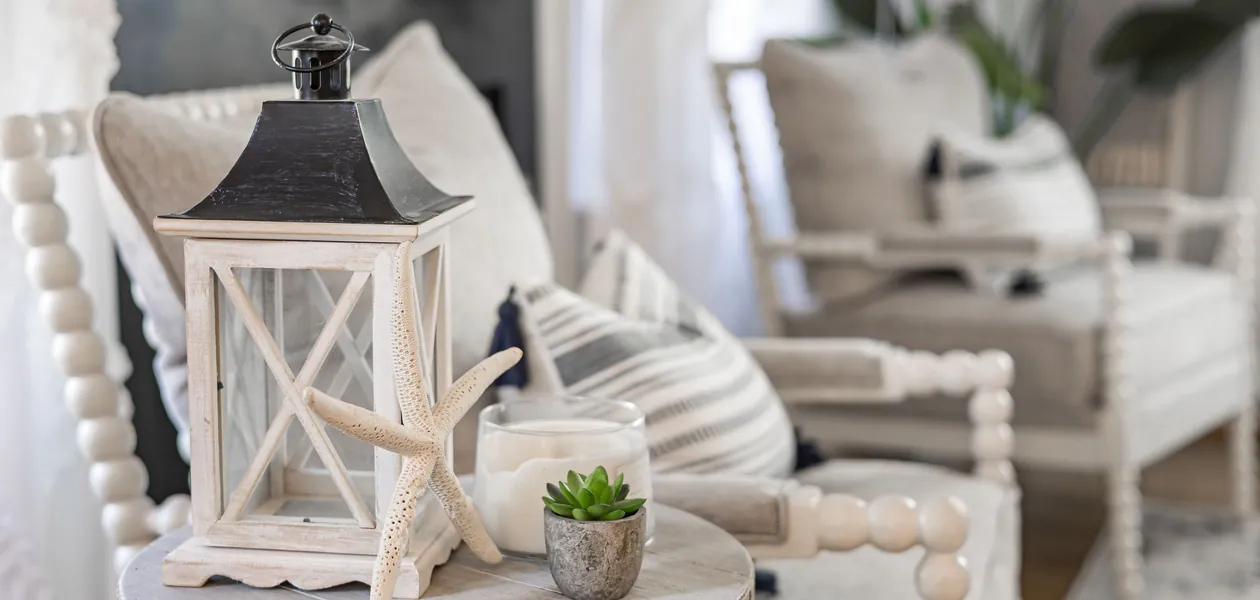
Both of these styles are about light, air and a relaxed pace, even if you live hundreds of miles from the water.
Coastal
Coastal style is sea, sand and sky. Think crisp white, layered blues and sandy beige, with natural textures like rattan, jute, linen and pale, weathered wood. Big windows and light curtains let the sun do most of the decorating.
Coastal is not nautical. Skip the anchors and ship wheels; a calm palette and natural materials say beach house far better than themed accessories.
Slipcovered sofas, washable fabrics and furniture that can take sand and sun are part of the appeal, which makes coastal one of the easiest styles to live with day to day.
Mediterranean
Mediterranean style blends the homes of Spain, Italy and Greece. Walls are whitewashed or textured plaster, floors are terra-cotta tile, and arches, exposed beams and wrought iron give the house its structure.
The colors are warm and earthy (ochre, terra-cotta and olive), with accents of deep blue from patterned tile. Heavy wood furniture, ceramic pots and plenty of plants make it feel lived in.
The style also blurs the line between inside and out. A shaded patio, a courtyard or simply a dining table by an open window is part of the design, so it suits warm climates best, though the colors work anywhere.
Free-Spirited Styles
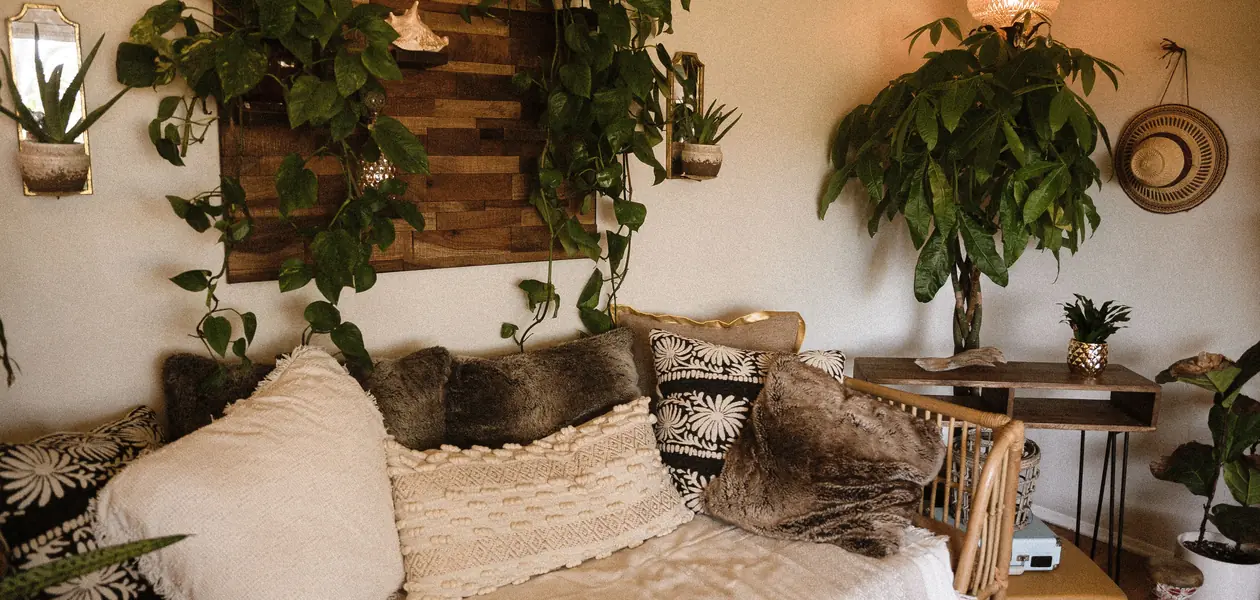
These styles break the rules on purpose, but the good versions still have a plan behind them.
Bohemian
Boho is the most relaxed style on this list. The word comes from the French bohémien, a 19th-century name for Romani people believed to come from Bohemia, later applied to artists living unconventional lives. The 1960s and 1970s counterculture revived it.
A boho room mixes vintage finds with global textiles, patterned rugs, floor cushions, rattan, macrame and lots of plants. Warm colors like rust, ochre and olive tie it together.
Eclectic
Eclectic style mixes pieces from different eras and places on purpose. A mid-century chair might sit next to an antique chest and a modern lamp. What separates it from clutter is a thread that repeats: one color, one wood tone or one shape used throughout the room.
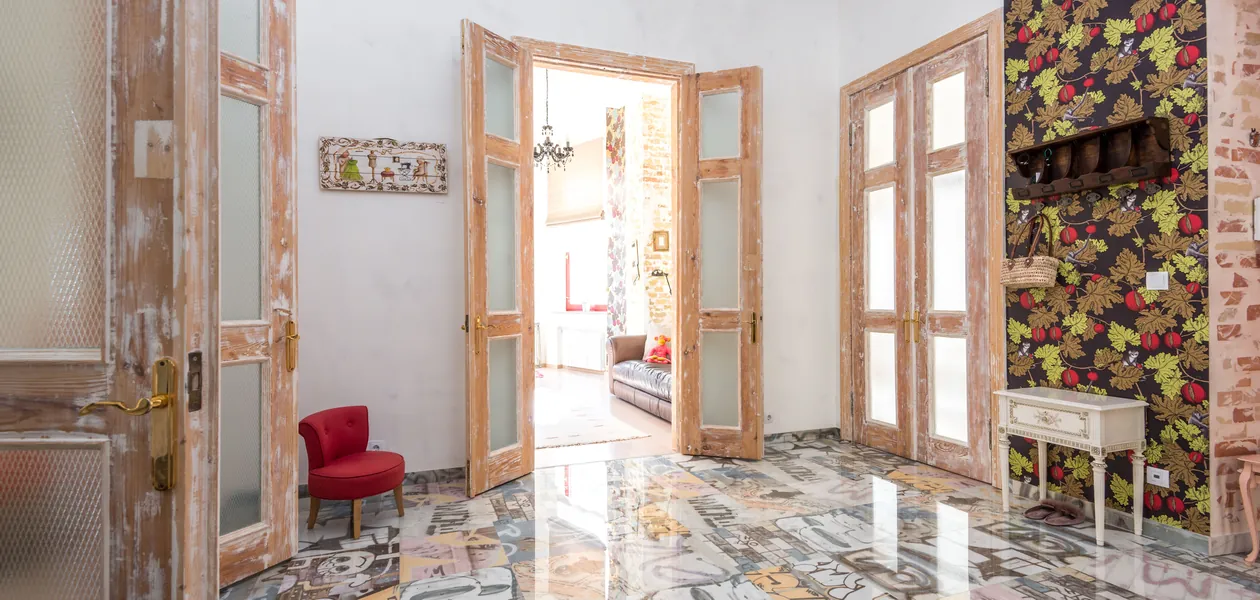
It is the hardest style to pull off and the most personal, because the collection is yours.
Boho and eclectic are often confused. Boho sticks to a relaxed, natural and global feel. Eclectic can mix anything, including formal antiques, modern art and sleek lighting, as long as the room has that common thread.
Bold, Glamorous Style
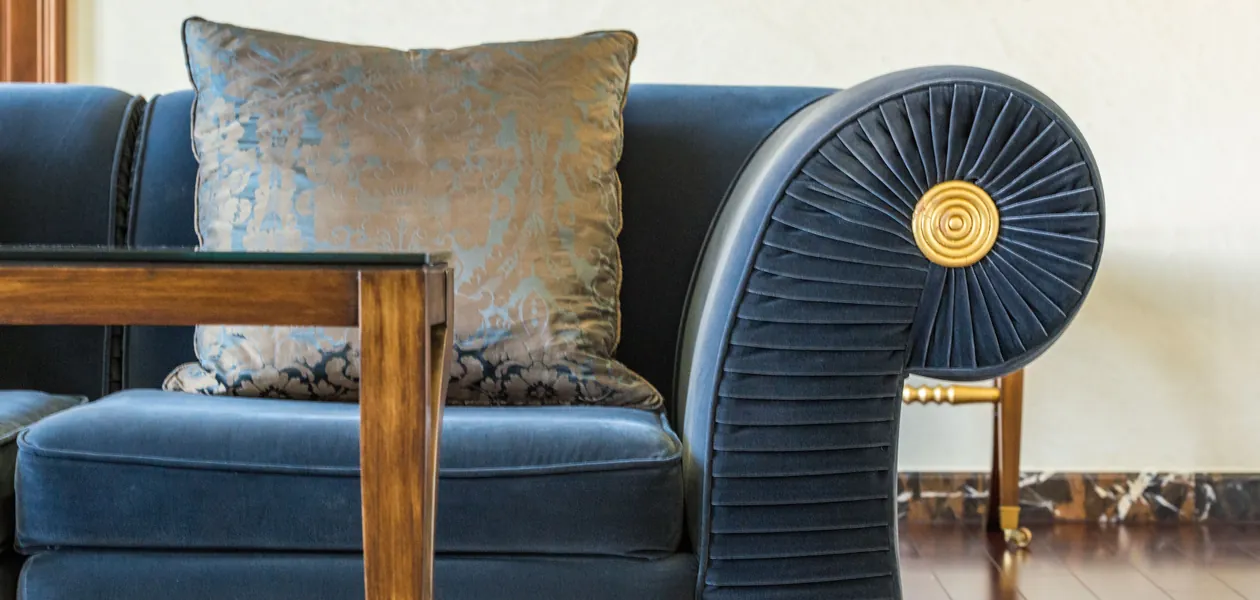
Some rooms are meant to impress the moment you walk in.
Hollywood Regency
Hollywood Regency, often just called glam, borrows from the glamour of old Hollywood. It pairs high-contrast colors (black and white, emerald or hot pink) with lacquered furniture, velvet, mirrored surfaces and gold or brass hardware.
Furniture is sleek and luxurious, and every room usually has one dramatic statement piece, like a tufted headboard or a sculptural chandelier. It is close to Art Deco, but louder.
Glam is easy to overdo. Pick one metal finish, keep the walls simple and let two or three luxurious pieces carry the room, and it looks like a hotel bar instead of a costume party.
3 More Styles Worth Knowing
These three round out the list and show up often in home listings and design magazines:
- Maximalist. The opposite of minimalism: “more is more,” with layered pattern, saturated color, gallery walls and collections on display. It works when every object is something you love.
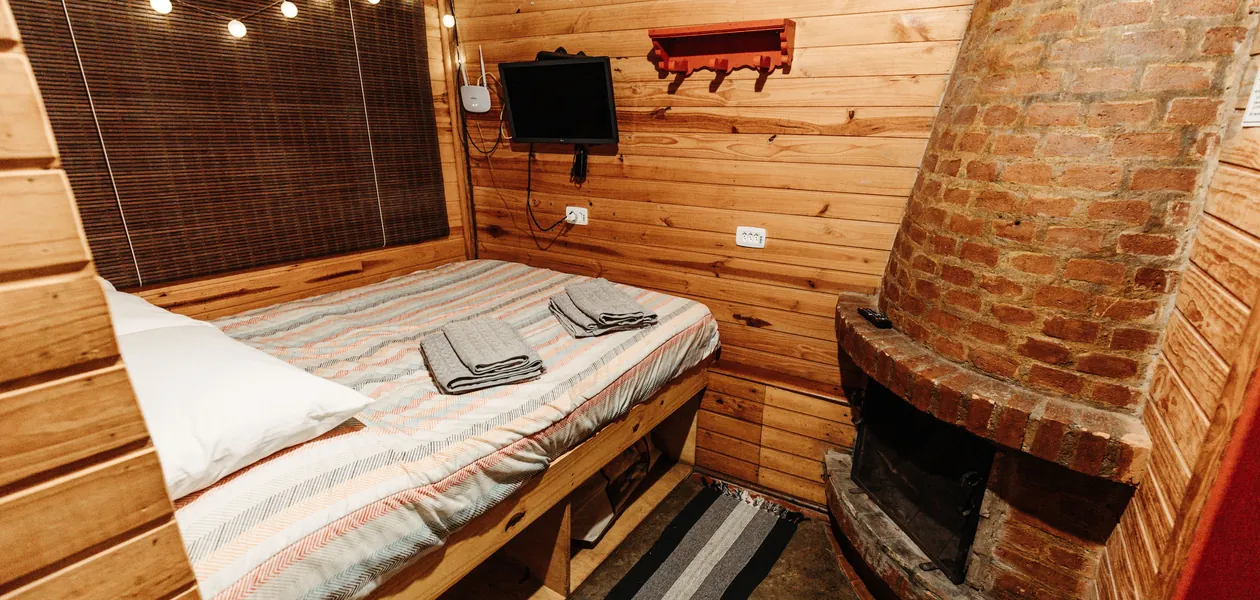
- Rustic. Rougher than farmhouse, rustic design uses raw timber, stone fireplaces, exposed beams, leather and wool, the feel of a mountain cabin or hunting lodge.
- Arts and Crafts. A late 19th-century British reaction against the damage done by industrial mass production, shaped by the designer William Morris, as the V&A explains. In America it became Craftsman style: solid oak furniture, built-ins, handmade tile and stained glass.
How to Find Your Interior Design Style
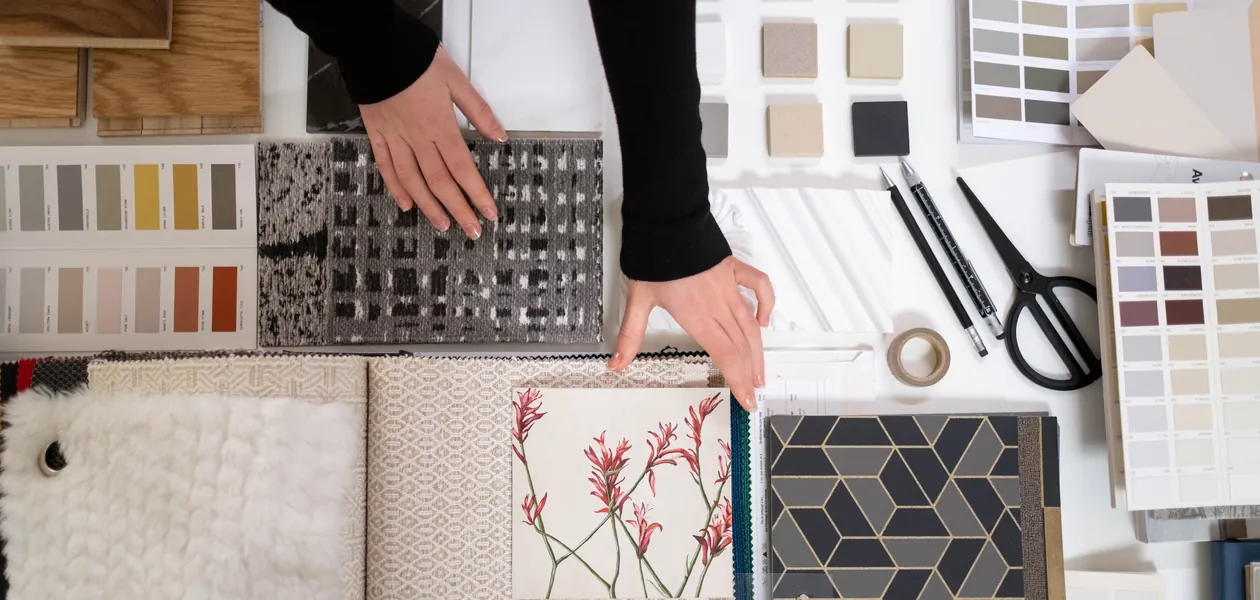
Most people already have a style; they just have not named it. These steps help you find it:
- Save what you love. Collect 20 or 30 photos of rooms that make you stop scrolling, without thinking about style names.
- Look for repeats. Lay them out and note what keeps coming back: wood tones, colors, metal finishes, furniture shapes.
- Check what you own. The pieces you would never give up usually point to your real style.
- Think about how you live. Kids, pets and a lot of entertaining favor durable, relaxed styles over fragile, formal ones.
- Consider the house. A 1950s ranch suits mid-century modern; a loft suits industrial. Working with the architecture is easier than fighting it.
- Name two styles. Most rooms are a blend, so pick a main style and a second one for accents.
Online style quizzes can help as a starting point, but your own saved photos are more honest than any quiz.
How to Mix Two Interior Design Styles
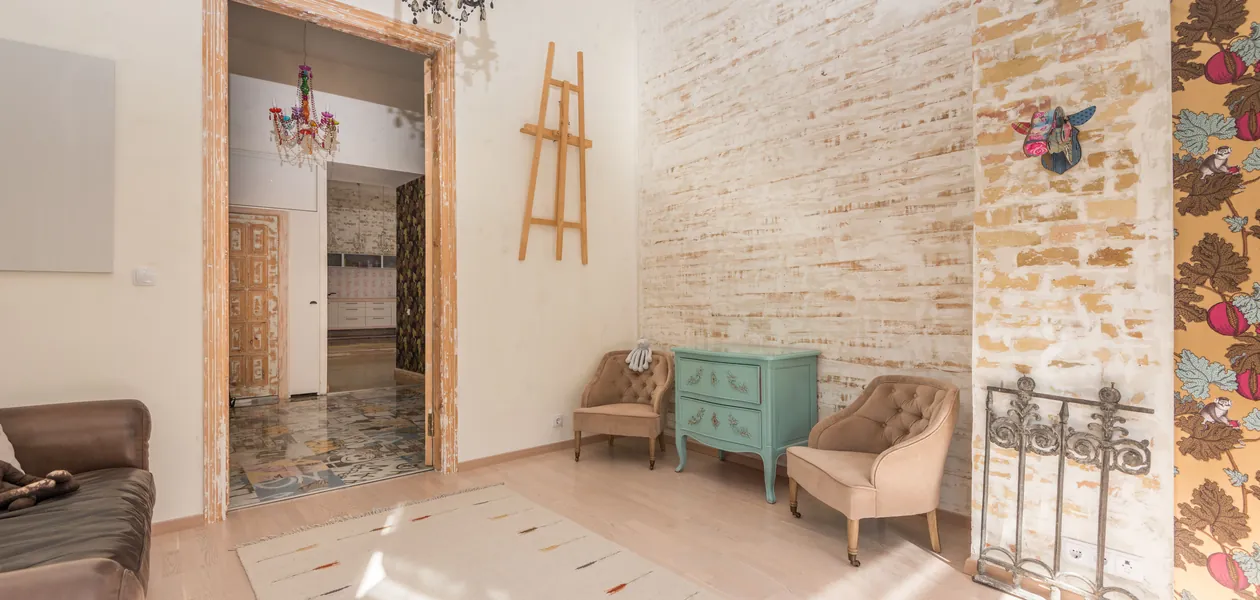
The rule I follow is simple: one style leads and the other accents. Roughly 80 percent of the room should come from the main style, with the second style showing up in a few chosen pieces.
Keep the palette consistent so the two styles feel connected. Repeat a material across the room, for example the same wood tone on a coffee table and a picture frame. When you style shelves and tables, group objects in odd numbers, the 3-5-7 rule, so the arrangement feels natural rather than stiff.
Some pairings almost always work: industrial with mid-century modern, Scandinavian with Japanese for Japandi, farmhouse with transitional, and modern with a single Art Deco statement piece.
Interior Design Styles for Men
There is no such thing as a male interior design style, but certain looks suit the way many men like to live: durable materials, deep colors and furniture built for comfort. If you are furnishing your own place, these are the strongest starting points:
- Industrial. Brick, steel and leather handle wear well and look better with age.
- Mid-century modern. Walnut, leather and clean lines give a classic, grown-up look.
- Rustic. Stone, timber and wool feel solid and warm, ideal for a den or cabin.
- Japandi. Calm, uncluttered and low maintenance, with dark wood and stone.
- Art Deco accents. A brass bar cart or a black lacquered cabinet adds instant polish.
Whatever you choose, invest in a few pieces that carry the style, such as a great sofa, a solid table and good lighting, and add the rest over time. A home that grows slowly always feels more personal than one bought in a single weekend.
FAQ
What are the 10 most popular interior design styles?
Modern, contemporary, mid-century modern, transitional, farmhouse, Scandinavian, Japandi, industrial, boho and French country. These are the most popular looks today, and most rooms blend two or three of them, with one style leading and another used for accents.
What is the 3-5-7 rule for interior decorating?
Grouping decor in odd numbers: three, five or seven objects. When you style shelves and tables, odd groups make an arrangement feel natural rather than stiff. It is one of the simplest ways to keep a room looking pulled together, especially when you mix two interior design styles.
What color makes a house look expensive?
Rich, deep shades used with restraint. Jewel tones like emerald or navy paired with brass, or forest green and burgundy balanced by cream, tend to look more expensive than bright accents scattered around a room. Real materials such as wood, stone and leather add to the effect.
What is the difference between modern and contemporary interior design?
Modern is a fixed historical movement; contemporary is whatever is current. Modern design came from the first half of the 20th century, with clean lines, neutral colors and little ornament. Contemporary borrows that simplicity but adds today’s materials and curves, so it keeps changing.
How do I find my interior design style?
Start with photos of rooms you love. Save 20 or 30 images, then look for what repeats: wood tones, colors, metal finishes and furniture shapes. Check the pieces you already own, think about how you live and what suits your house, then name a main style and a second one for accents.