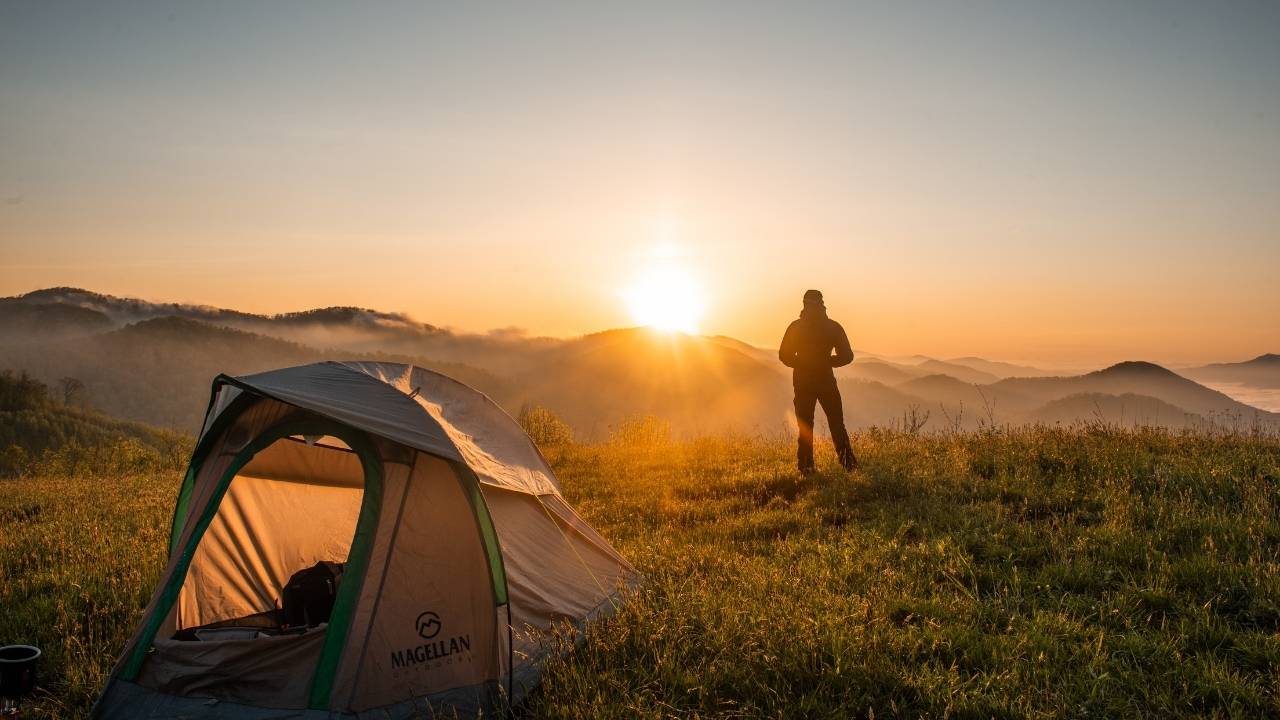
Sometimes you need to unplug, get off the grid, and away from the noise. Camping gives you that break. It brings you back to basics and clears your head like nothing else, and I have come home from a single night in the woods feeling more reset than a week of weekends. But a good trip does not happen by accident. Learning how to camp well is mostly about a few smart decisions made before you ever leave the driveway.
This is the guide I wish someone had handed me on my first trip. Whether you are flying solo or heading out with a few friends, here is how to choose where to go, what to bring, and how to actually enjoy it once you are out there.
Pick the Type of Camping That Fits You
Before anything else, decide what kind of trip you actually want. “Camping” covers everything from a cabin with a bed to a tent miles from the nearest road, and the gear and planning change completely depending on which you pick. For a first trip, start easy and work your way rugged.
- Car camping: drive right up to your site and unload from the trunk. The easiest way to start, since you can over-pack without paying for it on your back.
- Tent camping at a campground: the classic. Marked sites, often with water, toilets, and fire pits, but still a real outdoor experience.
- RV or van camping: comfort on wheels, with a bed and kitchen you bring along.
- Backcountry camping: hike in and carry everything. The most rewarding and the most demanding, best saved until you have a few trips under your belt.
If you are a beginner, car camping or a developed campground is the right call. You get the stars, the fire, and the quiet without betting the whole weekend on gear you have never used. Make sure to test any new equipment, especially tents, in the backyard first so your first real setup is not your first setup ever.
Choose the Right Campsite
Not all campgrounds are created equal. Some are quiet with nothing but trees, fire pits, and a sky full of stars. Others have showers, grills, and a bar a short walk away. Decide what experience you want, remote and rugged or roughing it with a few comforts, then book a site that matches.
When you are picking and then setting up a site, look for:
- Flat, dry ground for your tent, never a low spot where rainwater pools.
- Natural shelter: some shade and a windbreak like trees or a slope.
- A safe, established fire pit already on the site.
- Water access close enough to refill, not so close you are in a flood path.
- Distance from the toilets: close to walk, far from the traffic and smell.
- Privacy, with a site on the edge of the loop rather than the busy center.
If you prefer to truly rough it, you have a few options beyond a paid campground:
- Dispersed camping, which is free in many National Forests.
- Wilderness areas and Bureau of Land Management land.
- Hipcamp-style private sites for something between wild and developed.
Whatever you choose, confirm the rules and that fires are allowed before you rely on the spot.
Pack the Right Gear
Once you have the outdoors bug, our backpacking through Europe guide is the next adventure.
Skip the giant intimidating checklist and focus on the essentials. Get these right and you can add comforts later. The core kit that turns a miserable night into a good one breaks down into a few groups.
Shelter and sleep:
- A solid tent that holds up to wind and rain, with the rainfly and stakes.
- A sleeping bag rated for the season and the night-time low, not the daytime high.
- A sleeping pad, which is what actually keeps you warm by blocking the cold ground.
- A pillow, or a stuff sack packed with clothes.
- An extra blanket for the nights that drop colder than forecast.
Light, fire, and tools:
- A headlamp with backup batteries, so your hands stay free.
- Fire-starting gear: a lighter, matches in a dry bag, and a firestarter.
- A multi-tool or a good knife.
- A length of paracord and a few extra tent stakes.
- A small repair kit of duct tape and zip ties for gear that fails.
Food, water, and safety:
- A cooler with your food and drinks, plus a way to keep it cold.
- Water, and a filter or purification method if you cannot bring enough.
- A camp stove for quick meals when a fire is not practical.
- A first aid kit, sunscreen, and bug spray.
- A map and compass, since phone signal is never guaranteed.
Then add the comforts that make it feel like yours: a camping chair, a cast-iron skillet, your favorite flask, and a good hoodie and boots. They make all the difference when the temperature drops at night.
What to wear: clothing matters as much as your tent, because nothing ruins a trip faster than being cold and wet. The rule is layers you can add and shed, never cotton, which holds water and chills you.
- Base layer: a moisture-wicking synthetic or merino top to keep sweat off your skin.
- Mid layer: a fleece or a good hoodie for warmth you can take off.
- Outer layer: a waterproof, windproof jacket for rain and gusts.
- Boots: broken-in, waterproof, with grip for uneven ground.
- Extras: wool socks, a beanie, and gloves for the cold night hours.
Set Up Camp the Right Way
How you set up sets the tone for the whole trip. Get to your site with daylight to spare; pitching a tent by headlamp in the wind is a lesson you only need to learn once. I always build camp in the same order.
- Shelter first: pitch the tent on that flat, dry ground, stake it down, and get the rainfly on even if the sky is clear.
- Sleep system next: roll out the pad and bag so they loft and warm up before dark.
- Kitchen and fire: set your cooking area and fire pit a safe distance from the tent and anything flammable.
- Store food smart: keep it sealed and away from the tent so you do not attract raccoons, or worse, bears.
Closer to home, our guide to DIY landscaping puts those outdoor skills to work.
For the fire, the National Fire Protection Association recommends building it on clear, dry ground at least 25 feet from any structure or tent. Build it with patience: start with tinder and small kindling, let it catch, then add larger firewood as it grows. Gather or buy firewood locally so you do not spread pests, and keep it dry under a tarp. A clean, steady campfire makes everything easier and more comfortable once the sun drops.
Keep Camp Meals Simple
Nobody is cooking gourmet out here, and you should not try. Stick to meals that need minimal prep but still hit the spot after a day outdoors. Prep what you can at home, like chopping and portioning, so there is less to do at camp.
- Breakfast burritos you can wrap in foil and reheat over the fire.
- Foil-pack dinners with chicken, sausage, and potatoes.
- Sausages or hot dogs straight over the flames.
- Trail mix, jerky, and fruit for no-cook fuel during the day.
- Strong coffee in the morning, however you can make it.
- S’mores, because some traditions are not optional.
A few habits keep camp cooking painless:
- Prep and portion ingredients at home to cut down on camp chores.
- Bring more water than you think you need for cooking and cleanup.
- Pack a small sponge and biodegradable soap for dishes.
- Pack out every scrap of trash and food waste to protect the site and keep animals away.
Cooking over the fire brings its own reward; there is real pride in making a good meal in the wild.
Camp Safe and Leave No Trace
A little care keeps you safe and keeps the outdoors worth returning to. None of this is complicated, it is just the difference between a camper and a guest who trashes the place. Start with safety:
- Check the weather before you go and pack for the cold night, not the warm afternoon.
- Tell someone your plan and when you expect to be back.
- Keep a charged power bank for emergencies, even with the phone off.
Then leave the site better than you found it:
- Drown your fire completely, stir the ashes, and drown it again until it is cold to the touch.
- Pack out everything you pack in, including trash and food scraps.
- Stay on established trails and keep your distance from wildlife.
These are the habits that mark experience. Do them every trip and they become second nature.
And the right bag helps, as our guide to choosing a motorbike backpack shows.
Almost every rough first trip comes down to the same handful of avoidable beginner errors. Sidestep these and your first time out will feel a lot more like your tenth:
- Arriving after dark: so you end up setting up blind, in the wind.
- Wrong sleeping bag: a summer bag on a cold-night trip leaves you shivering.
- No sleeping pad: and you freeze from the ground up, even in a warm bag.
- Over-packing: so much that the trip turns into a chore of hauling and sorting.
- Leaving food out: and inviting every raccoon and bear in the area.
- Skipping the weather check: and getting caught unprepared for the cold or rain.
- No backup light: a dead headlamp with no spare batteries strands you in the dark.
Your Quick Camping Checklist
Before you pull out of the driveway, run through the essentials so nothing critical gets left behind. Keep the list in your phone and reuse it every trip.
Gear:
- Tent, rainfly, and stakes
- Sleeping bag and sleeping pad
- Headlamp and spare batteries
- Camp chair and a knife or multi-tool
Kitchen:
- Cooler with food and ice
- Water and a filter
- Stove, fuel, and a lighter
- Skillet, utensils, and a sponge
Personal:
- Layered clothing and rain gear
- Boots, wool socks, and a beanie
- First aid kit, sunscreen, and bug spray
- Map, and a trash bag to pack out
Once camp is set, the whole point is to slow down, and this is the part most first-timers forget to plan for. Leave your phone in the glove box. No screens, no emails. Fish if there is water nearby, chop wood, sit by the fire, read a book, and do nothing in particular. The doing-nothing is the point.
Fill the time with simple outdoor activities like hiking a nearby trail, fishing, stargazing, or a card game by the fire. Talk, laugh, or just enjoy the silence. The real win of learning how to camp is not the gear or the perfect site. It is packing space to think and a little time to reset. Camping gives you something real and steady: using your hands, building a fire, and stepping away from the grind. It does not need to be complicated. It just needs to be honest. Pick the right spot, bring what matters, and go make the most of it.