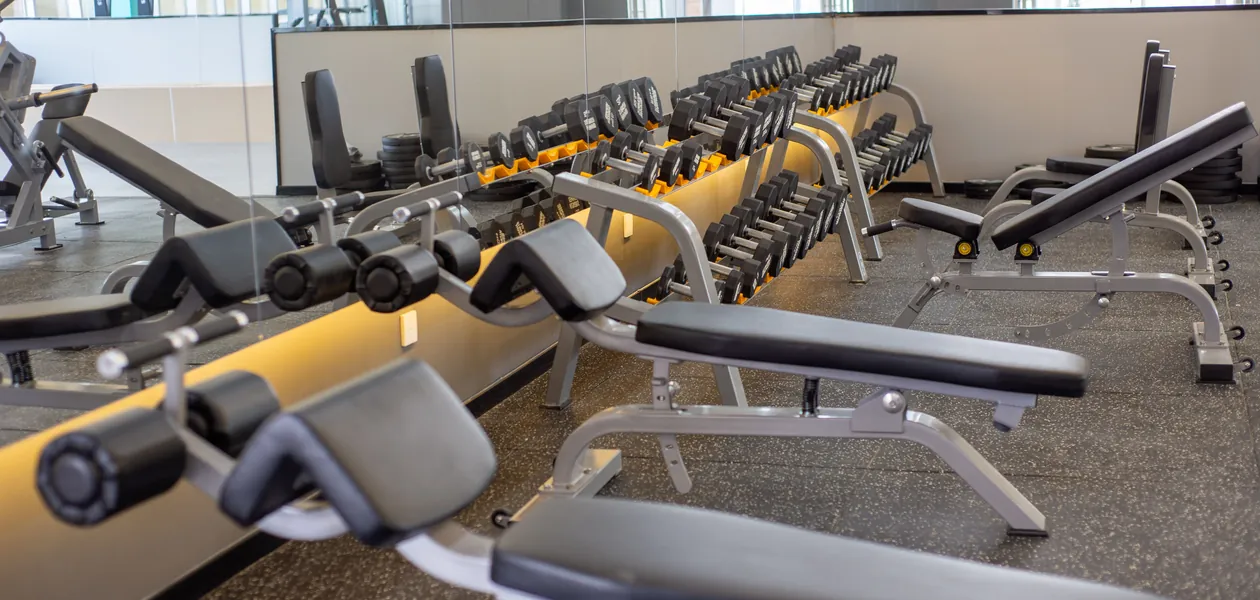
A Bulgarian split squat is a unilateral squat: you stand in a split position with your rear foot elevated on a bench, and your front leg lifts almost all of your weight. It trains the quads and glutes of that leg hardest, while your hamstrings, adductors and core hold your balance.
That setup is why coaches give it to athletes and everyday lifters alike. Working one leg at a time, it builds lower body strength, shows you which side is weaker and can help you train hard with far less load on your spine than a heavy barbell back squat.
TL;DR
- A Bulgarian split squat is a unilateral squat with your rear foot elevated on a bench, so your front leg lifts almost all of your weight and the quads and glutes work hardest.
- Set the rear foot on a bench about knee height, or a lower step to start, keep your feet hip-width apart and lower until your front thigh is about parallel to the floor.
- A shorter stance with an upright torso loads the quads, while a longer stance with a forward lean moves more of the work to the hip and raises glute and hamstring activity.
- Research found the lift is hip-dominant with lower knee demands than the back squat, and in academy rugby players it improved strength, sprint times and agility about as much as back squats.
- Start with 2 sets of 8 reps per leg at body weight, then use 3 sets of 8 to 12 per leg close to failure for muscle, once or twice a week.
How to Do a Bulgarian Split Squat
You need a bench, a box or a sturdy step, and later a pair of dumbbells. Learn the move with your body weight first, because the balance demand catches almost everyone off guard. Coming back from a knee or back injury? Get a physical therapist’s OK before you load it.
Bench Height and Foot Position
The American Council on Exercise’s Bulgarian split squat guide puts the rear foot on a bench or box about knee height, with the feet hip-width apart. Tight hip flexors or shaky balance? Start on a lower step and go higher as the movement gets easier.
To find the right stance, sit on the end of the bench, stretch one leg out in front of you and plant that foot. Stand up and reach the other foot back onto the bench, keeping your feet apart side to side like train tracks, not a tightrope.
Rest the top of your rear foot on the bench, laces down, or tuck your toes if that feels steadier. The back foot is there for balance and the front leg does the lifting. I mark my front foot spot with a small plate so every set starts from the same stance.
Step-by-Step Bulgarian Split Squat Form
With the stance set, perform each rep in the same five steps:
- Brace. Stand tall, tighten your core and keep your weight over the middle of your front foot, with dumbbells at your sides or your hands on your hips.
- Lower. Bend your front knee and hip and let your back knee drop straight toward the floor over two to three seconds.
- Hit depth. Stop when your front thigh is about parallel to the floor, or just before your back knee touches down.
- Drive up. Push through the whole front foot to stand, keeping your front knee in line with your toes.
- Switch legs. Finish every rep on one side, then switch. Start with your weaker leg and match its rep count on the stronger one.
Common Mistakes to Avoid
Most bad reps come from the stance or the load. A front foot too close to the bench shoves your knee forward and lifts your heel. Set it too far out and you’re stuck in an awkward lunge that strains the back hip.
If your front knee caves in as you stand, the weight is too heavy. Also skip leaning far forward under a heavy load, cutting the depth short, bouncing your back knee off the floor and shoving off the rear foot. The back leg is a kickstand, not a second engine.
Bulgarian Split Squat Muscles Worked: Quads, Glutes and Core
The front, or lead, leg does most of the work while the rear leg steadies and stretches. Here is what each muscle group does:
- Quads. The muscles on the front of your thigh straighten the front knee as you stand, and they are the main movers.
- Glutes. The gluteus maximus drives the front hip out of the bottom, while the gluteus medius keeps your pelvis level and your knee from caving.
- Hamstrings and adductors. The back and inner thigh help extend the hip and steady the leg at the bottom of the rep.
- Core and hip stabilizers. Your abs, obliques and lower back provide the stability that stops your torso from tipping or twisting.
The back leg works too: its hip flexors and quad get a deep stretch on every rep, which builds hip mobility and is part of why the move feels so demanding.
Quad-Focused vs Glute-Focused Split Squats
You can shift the emphasis without changing the exercise. A shorter stance with an upright torso lets your front knee travel farther forward, which loads the quads. A longer stance with your chest leaning forward moves more of the work to the hip.
Research backs the lean. In a 2025 study in BMC Sports Science, Medicine and Rehabilitation, 21 trained female athletes did split squats with an upright torso and with a 40 degree forward lean. The lean raised activity in the gluteus maximus, the biceps femoris (a hamstring) and the rectus femoris.
Bulgarian Split Squat Benefits: What It’s Good For
The main payoff is single-leg strength. Because each side has to work on its own, a stronger leg can’t quietly cover for a weaker one the way it can in a bilateral squat. That makes the lift a useful check on left and right differences.
It also builds the balance and hip control you use for running, jumping and changing direction. And it needs only a bench and dumbbells, which is great when the gym’s squat rack is taken.
Why It Feels So Hard: Balance and One-Leg Load
Your front leg carries most of the load through a long range of motion while you balance on a narrow base, and the back hip stays stretched the whole time. That’s why even light dumbbells feel heavy, and why you’ll use far less weight than on a back squat.
Bulgarian Split Squat vs Back Squat
A 2021 study in the International Journal of Exercise Science compared the two lifts in 20 resistance-trained men. Both turned out to be hip-dominant, but the Bulgarian split squat moved the knee through less range and put lower demands on the knee joint. The authors suggest it for training hip extension while sparing the knee.
Training studies point the same way. When academy rugby players trained twice a week for five weeks with only the rear-foot-elevated split squat or only the back squat, both groups improved back squat strength, 40 meter sprint times and agility by similar amounts.
You don’t have to choose: the split squat works after your back squats or in place of them.
Bulgarian Split Squat Variations
Once bodyweight reps feel steady, change the loading or the setup to keep making progress.
Dumbbell and Goblet Bulgarian Split Squats
Dumbbells at your sides are the default: the load stays low and centered, though your grip may give out before your legs on heavy sets.
For a goblet hold, grip one dumbbell or kettlebell upright against your chest with your elbows close to your ribs. It keeps your torso tall, which suits the quad-focused stance.
Barbell and Smith Machine
A barbell across your upper back lets you use the most weight, but it raises the balance demand and puts some spinal load back on.
The Smith machine runs the bar on a fixed track, which takes most of the balance out. You can push your legs closer to failure, so it suits muscle growth.
Bodyweight Bulgarian Split Squats at Home
At home, a sturdy chair, a couch or the second stair can stand in for the bench, as long as it won’t slide. To make bodyweight sets harder, slow every rep down, pause at the bottom or wear a backpack loaded with books.
To increase the range, stand your front foot on a weight plate or a low step. Your back knee can then sink lower, which gives the front hip a longer stretch.
Bulgarian Split Squat Sets, Reps and Workout Placement
If you’re new, start with 2 sets of 8 reps per leg using just your body weight. Add reps until 3 sets of 12 feel controlled with proper form, then pick up dumbbells.
For muscle, 3 sets of 8 to 12 reps per leg taken close to failure suits most lifters. For strength, go heavier with 3 to 5 sets of 5 to 8 reps. Rest a minute or two between legs.
Place the split squat after your main lift on leg day, or make it the main lower body lift in a full body workout. Once or twice a week is plenty at first, because the front leg gets very sore, so plan your workout recovery around it.
Bulgarian Split Squat Alternatives
When there’s no bench, or your balance isn’t there yet, other single-leg movements train the same muscles. The regular split squat keeps both feet on the floor, so it’s easier to balance and is the natural step before the Bulgarian version. Reverse lunges add a controlled step back on every rep.
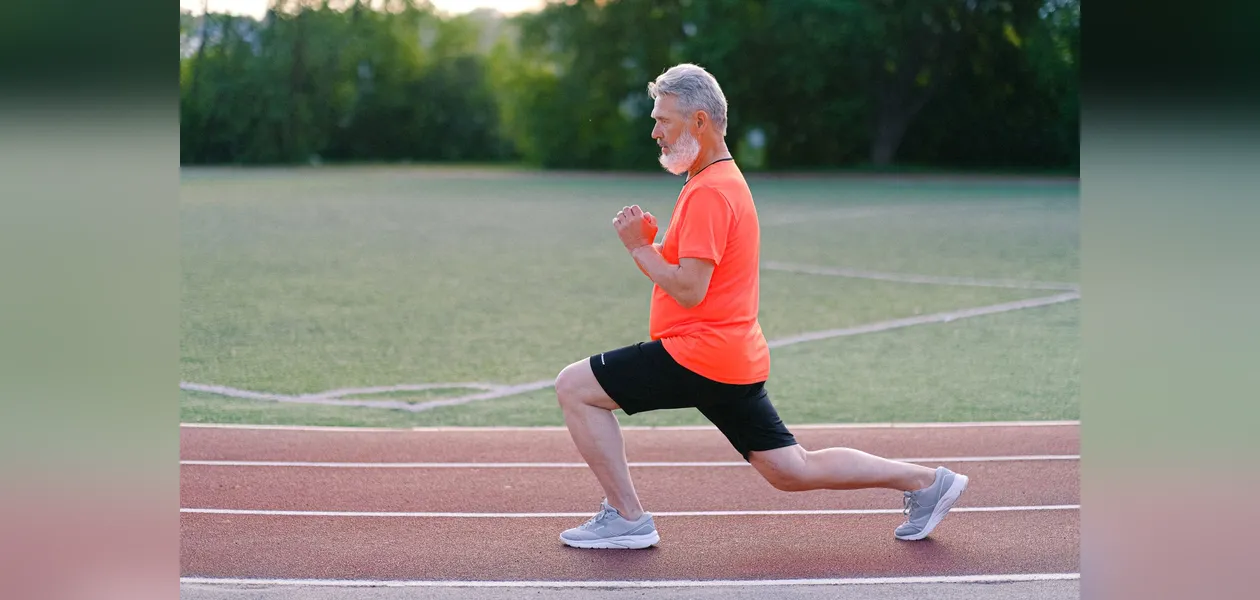
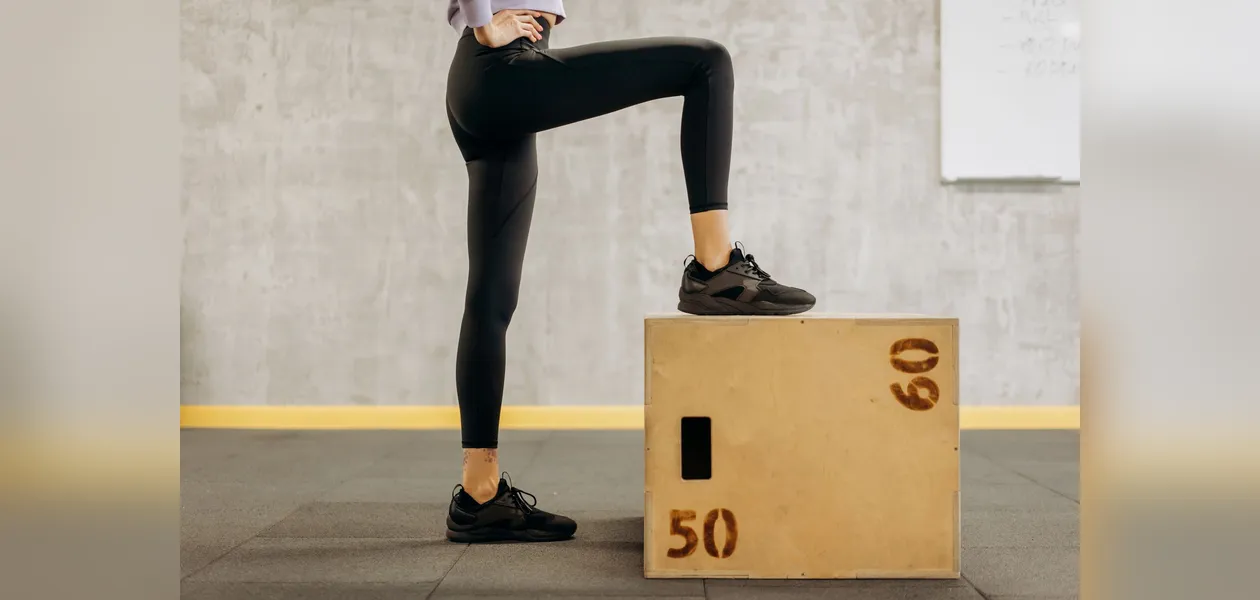
Step-ups onto a box train the same single-leg drive. For more glute and hamstring work, try single-leg Romanian deadlifts or single-leg hip thrusts, which load the hip without the deep knee bend. None of them packs as much range, load and balance into one move.
FAQ
What is the Bulgarian split squat good for?
Single-leg strength. The Bulgarian split squat builds the quads and glutes one leg at a time, shows you which side is weaker and trains the balance and hip control you use for running and jumping. It also lets you work your legs hard with far less load on your spine than a heavy back squat.
Are Bulgarian split squats or RDLs better for glutes?
Neither wins outright, because they train the glutes differently. A Bulgarian split squat works the glutes with the quads through a deep single-leg squat, and a forward lean raises glute activity further. Romanian deadlifts load the hip without the deep knee bend for more glute and hamstring work, so doing both covers the glutes from two angles.
Why is the Bulgarian split squat so hard?
Because one leg does almost all the work. Your front leg carries most of the load through a long range of motion while you balance on a narrow base, and the back hip stays stretched the whole time. That’s why even light dumbbells feel heavy and why you use far less weight than on a back squat.
What muscles does the Bulgarian split squat work?
Mainly the quads and glutes of the front leg. The hamstrings and adductors help extend the hip and steady the leg, the core and hip stabilizers keep your torso from tipping or twisting, and the back leg’s hip flexors and quad get a deep stretch on every rep.
Can you do Bulgarian split squats at home?
Yes. A sturdy chair, a couch or the second stair can stand in for the bench, as long as it won’t slide. Make bodyweight sets harder by slowing every rep down, pausing at the bottom or wearing a backpack loaded with books, and stand your front foot on a plate for more range.
Sources
- Bulgarian Split Squat, Exercise Library, American Council on Exercise
- Targeted muscle activation in Bulgarian split squat variations: effects of trunk position and suspension-based execution, BMC Sports Science, Medicine and Rehabilitation
- Biomechanical Differences Between the Bulgarian Split-Squat and Back Squat, International Journal of Exercise Science
- Unilateral vs. bilateral squat training for strength, sprints and agility in academy rugby players, Journal of Strength and Conditioning Research, via the University of Edinburgh