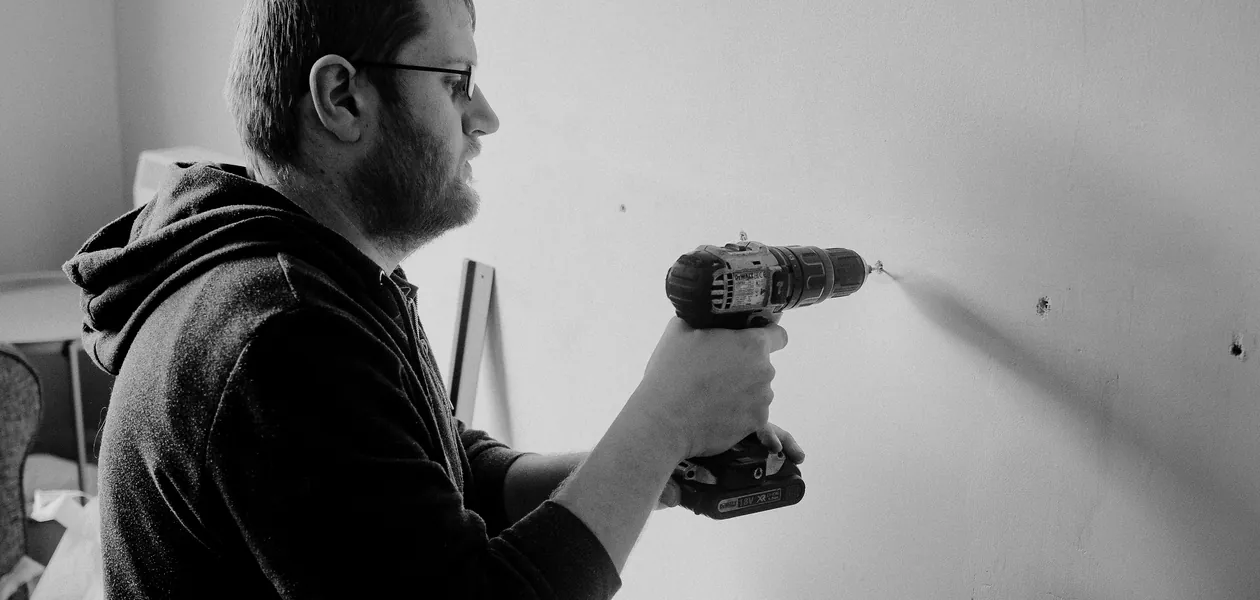
To drill into brick, fit a hammer drill with a carbide-tipped masonry bit, start slowly so the tip doesn’t wander, then switch on hammer mode and drill with steady pressure, pulling the bit back often to clear the dust. Drill into the mortar joint for light items and into solid brick for heavy ones, then set a wall anchor in the clean hole.
Below you’ll find the tools and drill bits you need, brick versus mortar, the anchors that hold when you’re hanging something on brick walls, and how to avoid cracks and dust.
TL;DR
- To drill into brick, use a hammer drill with a carbide-tipped masonry bit, starting slowly before you switch on hammer mode.
- Use a rotary hammer for holes larger than about 3/8 inch, and match the bit to the anchor, such as a 5/32 inch bit for 3/16 inch Tapcon screws.
- Put light items in the mortar joint, which is easy to patch, and mount heavy items like TVs into solid brick.
- Drill 1/4 inch deeper than the screw’s embedment, pull the bit back often to clear dust, and vacuum the hole before setting the anchor.
- Keep holes in a brick at least an inch from its edges, and control the silica dust with a dust mask and a vacuum.
Tools You Need to Drill Into Brick
Brick is hard and abrasive, so a twist bit made for wood or metal dulls in seconds. Gather these tools first:
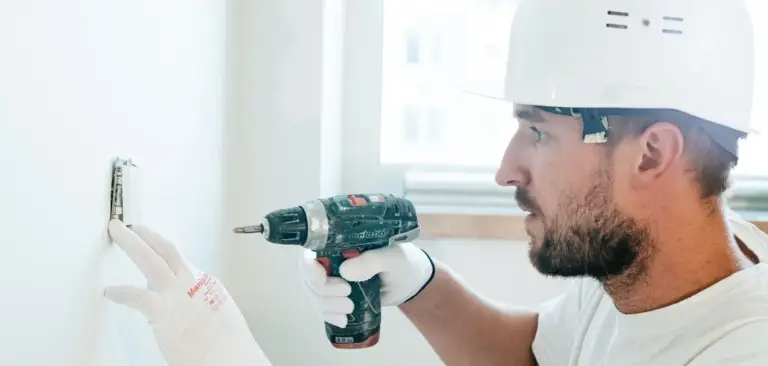
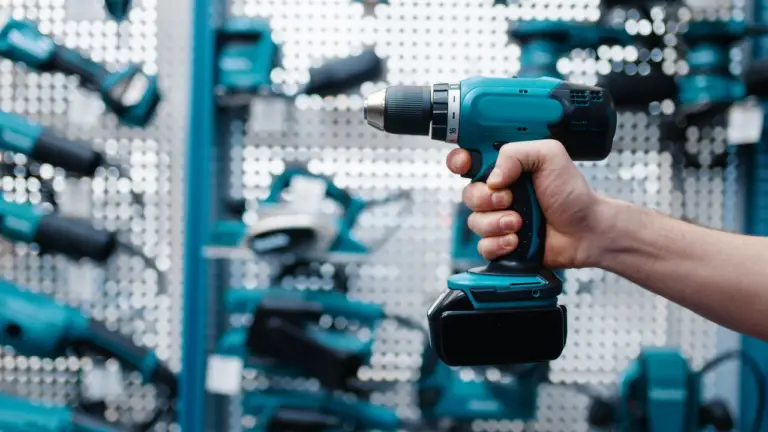
- A hammer drill. It spins the bit and taps it forward at the same time, which breaks up brick far faster than spinning alone.
- Masonry drill bits. A carbide tip slightly wider than the shaft, sized to your anchor.
- An anchor and screw for each hole. Rated for the weight you plan to hang.
- Safety glasses, ear protection and a dust mask. Brick dust flies, and a hammer drill is loud.
- A shop vacuum. It catches dust at the hole and cleans it out.
Hammer Drill, Rotary Hammer or Regular Drill?
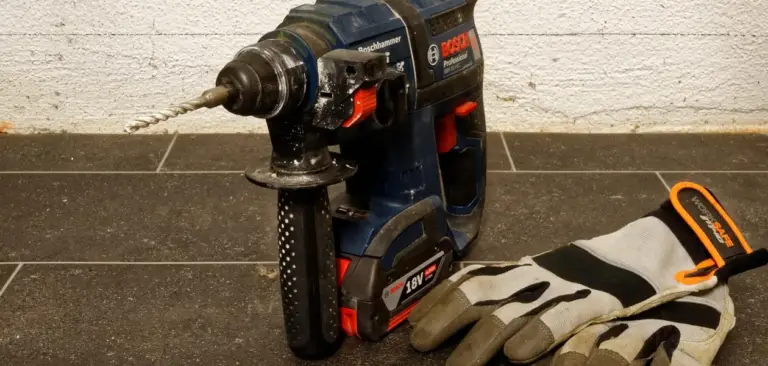
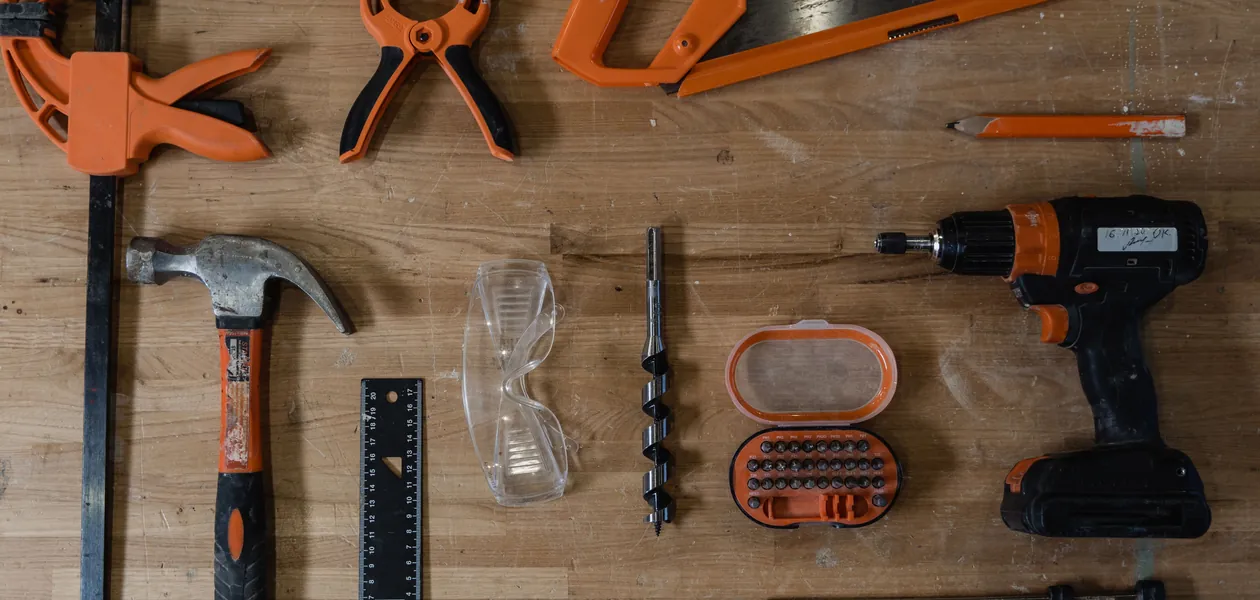
A hammer drill handles the small holes most home jobs need, from a picture hook to a TV mount. For holes larger than about 3/8 inch, Bob Vila recommends a rotary hammer, which pounds the bit with a piston and takes SDS bits.
A regular power drill with a masonry bit can still drill into brick, especially soft or older brick. It is slow, so drill in short bursts and let the bit cool.
An impact driver is no substitute for a hammer drill: its blows twist the bit rather than drive it forward, so it only suits a few small holes with a hex-shank masonry bit.
Picking the Right Masonry Bit
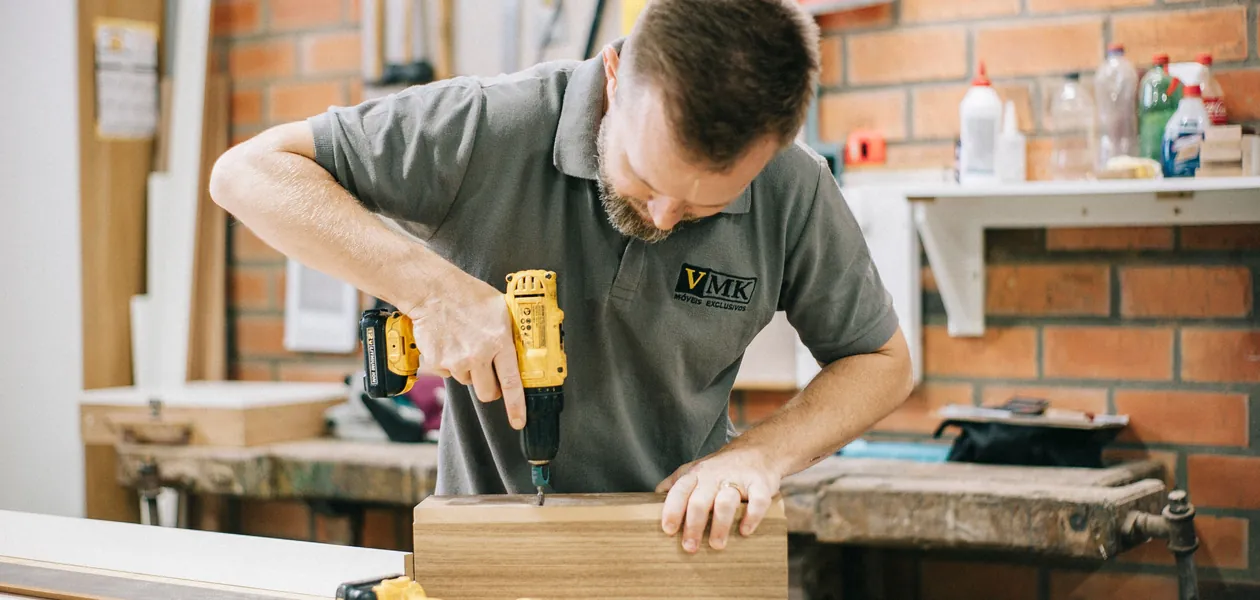
Match the bit to the anchor, not to the screw. The anchor packet prints the bit size, and a hole that is too big lets the anchor spin. For masonry screws such as Tapcon, the maker’s instructions call for a 5/32 inch bit with 3/16 inch screws and a 3/16 inch bit with 1/4 inch screws.
Keep a spare bit on hand. A worn carbide tip drills an undersized hole and heats up fast.
Brick or Mortar: Where to Drill
The Brick Industry Association notes that plugs for lightweight attachments typically go in mortar joints, and that the right fastener depends on the brick, the item’s weight and indoor or outdoor exposure. In practice, weight decides it.
- Light items go in the mortar. Mortar is softer, quicker to drill and easy to patch later, which suits pictures, mirrors and hooks.
- Heavy items go in solid brick. A sound brick holds more than a joint that may hide voids, so mount TVs, heavy shelves and cabinets into the brick itself.
- Crumbly mortar or cracked brick gets skipped. Move to a sound brick, or spread the load across several bricks with a cleat.
The rule I follow on my own walls: anything I might take down someday goes into the mortar, and anything heavy goes into the brick.
When You Don’t Need to Drill at All
For very light decor, brick clips grip the face of a brick that stands proud of the mortar, and adhesive strips rated for rough surfaces hold small frames. Anything that needs a screw still needs a drilled hole first.
How to Drill Into Brick, Step by Step
These steps cover a typical job, such as a shelf bracket on an interior brick wall. The technique matches drilling into concrete, with more care at the edges.
- Check behind the wall. Make sure no wires or pipes run where you plan to drill, especially near outlets and switches.
- Mark the holes. Hold the bracket in place, level it, and mark each hole with a pencil. A hole in a brick should sit at least an inch from its edges.
- Set the depth. For masonry screws, Tapcon calls for a hole 1/4 inch deeper than the embedment, which must be at least 1 inch. For a plug, drill at least the plug’s length. Set the depth stop, or wrap tape around the bit at that mark.
- Start slow, then hammer. Hold the drill with both hands, square to the wall, and run it at low speed without hammer mode until the tip bites. Then switch on hammer mode, raise the speed and let the tool do the work.
- Clear the dust as you go. Pull the bit back every few seconds so the flutes carry dust out of the hole, and pause if the bit gets hot.
- Step up for bigger holes. For a large anchor, drill a 1/8 inch pilot hole first, then widen it with the full size bit.
- Clean the hole and fasten. Vacuum the dust out of the hole, insert the anchor and tap it in until it sits flush, then drive the screw until the bracket is snug.
If the bit walks off the mark, tap a small dent with a nail set and restart there.
Choosing Anchors and Screws
Check the weight rating on the packet against what you are hanging:
- Plastic plugs. The everyday choice for light and medium items in mortar or solid brick. The screw spreads the plug so it grips the hole.
- Masonry screws. Tapcon-style screws cut their own threads in the hole, so you skip the plug. Use 1 to 1-3/4 inches of embedment.
- Sleeve anchors. For heavier fixtures on solid masonry. The sleeve expands as you tighten the nut.
- Toggle bolts. For hollow brick or block, where the bit breaks through into an open cell.
Outdoors, the BIA recommends galvanized steel fasteners for normal exposure and stainless steel for harsh conditions. It also warns that masonry nails can open small cracks in the mortar of single-thickness exterior walls and let water in, so use drilled anchors outside.
How to Drill Into Brick Without Cracking It
Most cracked bricks come from too much force too close to an edge. Keep these habits:
- Stay away from the edges. An inch of brick around the hole keeps it from splitting off.
- Keep a sharp tip. A dull bit needs more pressure, and pressure cracks brick.
- Go gentle on old brick. Expansion anchors push outward, and in soft or fragile brick that force can crack it.
- Tape glazed faces. A square of painter’s tape over the mark helps stop a shiny face from chipping.
Brick Dust, Safety and Cleanup

Keep Silica Dust Out of Your Lungs
Brick and mortar contain crystalline silica. OSHA warns that drilling masonry can release fine silica dust, and that breathing it in over time can permanently damage the lungs. For a few holes at home, wear a well-fitted dust mask and hold a vacuum nozzle under the bit.
Clean up with a vacuum, not a broom or compressed air, which throw dust back into the air. OSHA’s guidance calls for a HEPA-filtered vacuum.

Patching a Hole You No Longer Need
Pull the anchor out, vacuum the hole, and fill it with mortar repair caulk. A patched mortar joint blends in easily, while a hole in brick is harder to hide.
FAQ
Can I use my drill to drill into brick?
Yes, for a few small holes. A regular drill with a carbide-tipped masonry bit will get through brick, especially soft or older brick, but slowly. Drill in short bursts and let the bit cool. For more holes or bigger ones, a hammer drill is much faster.
Should you drill into brick or mortar?
Mortar for light items, brick for heavy ones. Mortar is softer, quicker to drill and easy to patch, which suits pictures and mirrors. A sound brick holds more, so mount TVs, heavy shelves and cabinets into the brick itself, and skip crumbly mortar or cracked bricks.
How can I drill into brick without it cracking?
Keep the hole at least an inch from the brick’s edge, use a sharp masonry bit, and start at low speed without hammer mode. Let the drill do the work instead of leaning on it, and avoid expansion anchors in soft or fragile old brick, since their outward force can crack it.
What kind of drill can drill into brick?
A hammer drill suits most jobs. It spins the bit and taps it forward, breaking up brick quickly. For holes larger than about 3/8 inch, use a rotary hammer. A regular drill works slowly for small holes, and an impact driver only suits a few small holes.
Can you put a screw in brick without drilling?
No, a screw needs a drilled hole, and usually an anchor. Masonry screws such as Tapcon skip the plug but still need a hole. For very light decor, brick clips that grip the face of the brick, or adhesive strips rated for rough surfaces, hold without any hole.
Sources
- Technical Notes 44A, Fasteners for Brick Masonry, Brick Industry Association
- Tapcon Installation Instructions, 3/16 in. and 1/4 in. Concrete Anchors, Tapcon
- Control of Silica Dust in Construction: Handheld and Stand-Mounted Drills, Occupational Safety and Health Administration
- How to Drill Into Brick, Bob Vila