What is the first thing that comes to mind when you think of Poland? Nature lovers think of its enchanting forests and breathtaking landscapes, and history buffs love ancient castles. Unfortunately, few people know that this country is the birthplace of some of the most ingenious inventions in the world. Here are five inventions and stories linked to Poland.
TL;DR
- Polish pharmacist Ignacy Łukasiewicz distilled kerosene from crude oil and designed a lamp to burn it, and lamps built to his design lit a Lviv hospital on 31 July 1853.
- Toothpaste was not invented in Poland: the Polish link is Oskar Troplowitz, a German pharmacist born in Gleiwitz (now Gliwice), whose Hamburg company Beiersdorf was making toothpaste by the 1890s.
- Poland is known for strict gambling rules: a famous casino opened in Sopot around 1920, Warsaw’s first casino opened in 1989, and a Gambling Act has set the rules since 2009.
- Ludwik Zamenhof, born in multiethnic Bialystok, published his new language, Esperanto, in 1887, and it became the most widely spoken constructed language.
- Polish priest Kazimierz Zeglen began work on an early silk bulletproof vest in 1893, after the murder of Chicago mayor Carter Harrison Sr., and later teamed up with inventor Jan Szczepanik.
1. Kerosene Lamp
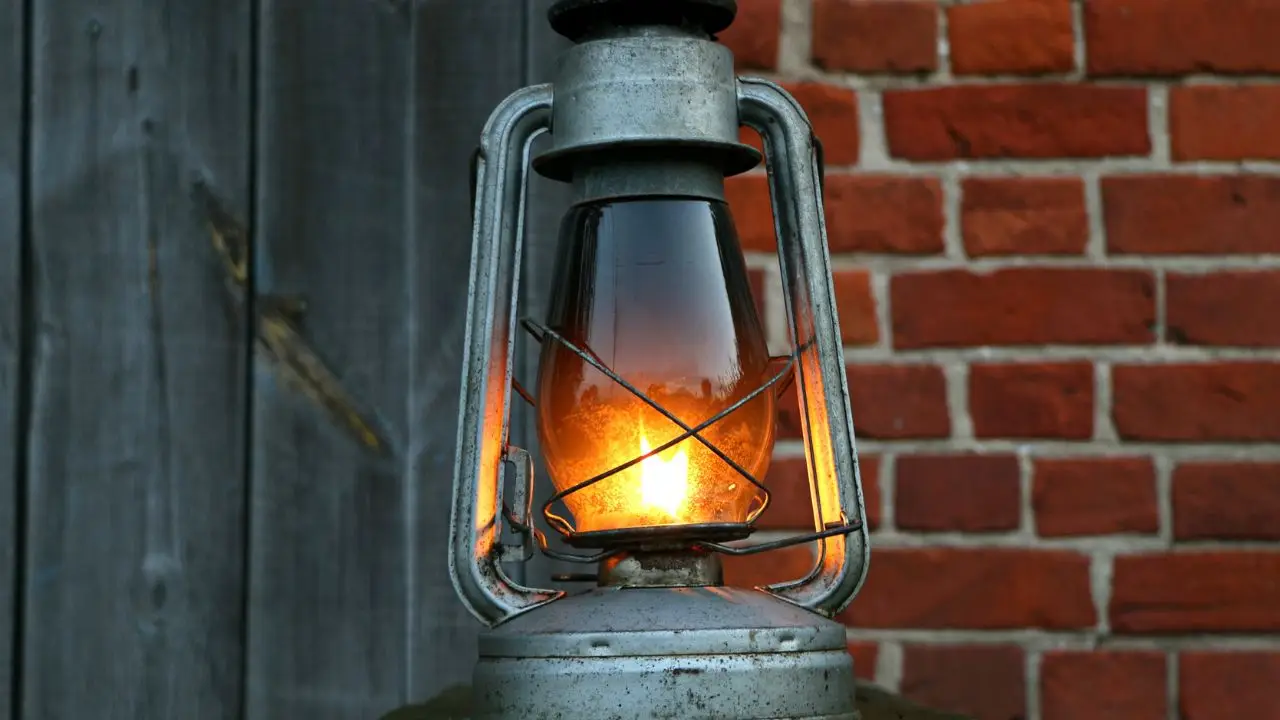
Until the middle of the 19th century, the world still relied on candles as a source of light, but the invention of kerosene lamps “illuminated” the dark world. In 1852, the Polish pharmacist Ignacy Łukasiewicz received a few barrels of crude oil at the Lviv pharmacy where he worked.
Together with his colleagues, he began to experiment with oil and conduct its chemical analysis in the laboratory. Finally, they were able to distill the oil to produce kerosene, which they later used in a newly designed lamp as fuel for light. Thus, kerosene lamps became an affordable alternative to candles. Lamps built to his design lit a Lviv hospital on 31 July 1853, and kerosene went on to become a popular lighting fuel around the world.
2. Toothpaste
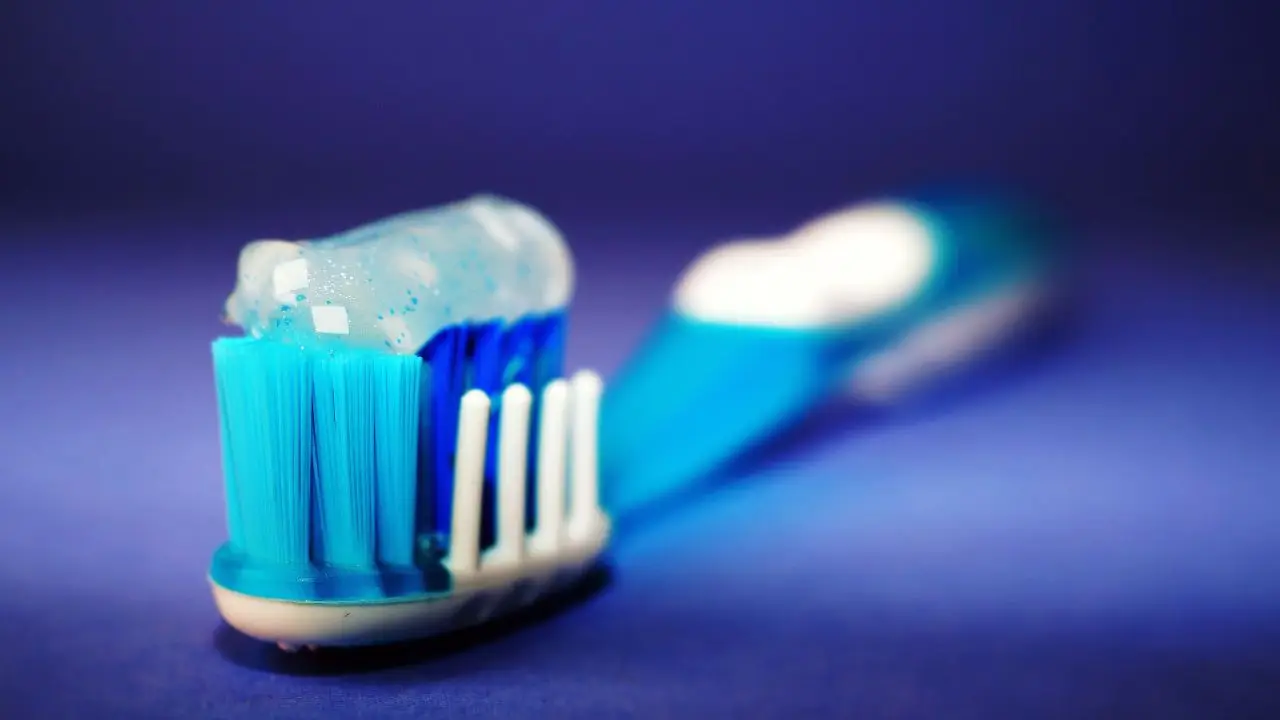
Dental hygiene is an integral part of every person’s life. Most people brush their teeth at least twice a day and feel uncomfortable leaving the house without brushing their teeth. Toothpaste was not invented in Poland, though: people have cleaned their teeth with tooth powders since ancient Egypt. The Polish link is Oskar Troplowitz, a German pharmacist born in Gleiwitz (now Gliwice, Poland), whose Hamburg company Beiersdorf was making toothpaste by the 1890s.
Before the invention of toothpaste in the form we use today, people used powdered substances to keep their mouths fresh and clean. Now that toothpaste comes in different tubes and flavors, it’s important to be aware of its humble origins.
3. Strict Gambling Rules
San Francisco is the birthplace of slot machines; Venice is where the first known gambling house opened, in 1638, and New Orleans helped make poker popular. Nevertheless, Poland can confidently be called one of the countries with the most stringent gambling rules.
- A famous casino opened in Sopot around 1920, when the town belonged to the Free City of Danzig.
- The Sopot casino was levelled in 1945, at the end of World War II.
- Warsaw’s first casino opened at the Hotel Victoria in September 1989.
- The Polish government applied strict regulations to the gambling industry.
- Since 2009, the Gambling Act has set those rules, including who may take bets on sporting events.
4. Esperanto
Poland is known to be the birthplace of Esperanto, an artificial language spoken, by some estimates, by about 2 million people worldwide. It all started in 1887, when Ludwik Zamenhof, who was born in the multiethnic and multicultural city of Bialystok, decided to publish a book describing this new language.
Being a polyglot and speaking at least ten languages, including German, Russian, Hebrew, and Latin, Zamenhof decided to take the best and most useful features of different languages and build a logical language. Unfortunately, this language couldn’t become an international language of communication but became the most widely spoken constructed language.
5. Bulletproof Vest
Nowadays, it is difficult to imagine policemen, prison guards, or members of the military on duty without bulletproof vests.
However, few people know that work on an early silk bulletproof vest began in 1893, following the murder of Carter Harrison Sr., the Mayor of Chicago.
The man behind it was Kazimierz Zeglen, a Polish Catholic priest and inventor. He and inventor Jan Szczepanik, his business partner from 1897, created a bulletproof vest made of silk. As bulletproof vests have become more popular around the world, their design and technology have improved.
FAQ
What is Poland known for inventing?
The kerosene lamp is the best-known example. Polish pharmacist Ignacy Łukasiewicz distilled kerosene from crude oil and designed a lamp to burn it, and the Bóbrka Museum records his lamps lighting a Lviv hospital on 31 July 1853. Poland is also linked to Esperanto and to early silk bulletproof vests.
Did Poland invent toothpaste?
No. People have cleaned their teeth with tooth powders since ancient Egypt. The Polish link is Oskar Troplowitz, a German pharmacist born in Gleiwitz, now Gliwice in Poland, whose Hamburg company Beiersdorf was making toothpaste by the 1890s.
Who created Esperanto?
Ludwik Zamenhof. Born in the multiethnic city of Bialystok and a polyglot, he took the most useful features of different languages to build a logical one and published it in 1887. Esperanto never became the world’s common language, but it is the most widely spoken constructed language.
Is Poland famous for anything?
Yes. Nature lovers know it for its enchanting forests and breathtaking landscapes, history buffs for its ancient castles, and it gave the world inventions like the modern kerosene lamp. It is also known for some of the strictest gambling rules around, set since 2009 by its Gambling Act.