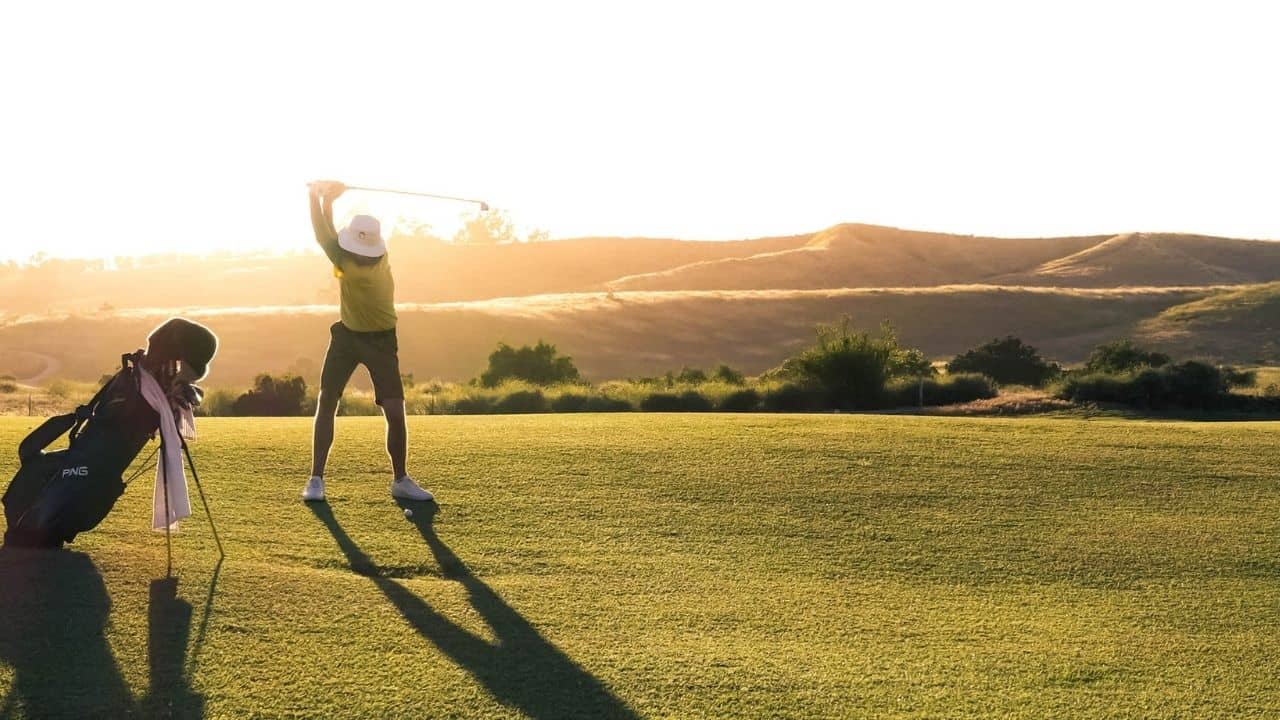
I came to golf late and skeptical, and now I plan weekends around tee times, so I have asked myself the question honestly: why do people like golf this much? Soccer, basketball, and football all have bigger global followings, yet golf keeps a grip on its people that other sports rarely manage. Fans love both playing and watching it: the four majors draw millions of viewers every year, covered wall to wall on TV and by bookmakers that publish golf odds for fans who like to back their favorite players. But the broadcast side is the smaller half of the story. The real answer lives on the course.

TL;DR
- Golf keeps a grip on its people that bigger sports rarely manage, and while millions watch the four majors, the real answer to why people like it lives on the course.
- The appeal comes down to four draws: a challenge that is simple to learn and impossible to master, an escape of four or five hours outdoors, constant conversation, and a score that measures your progress.
- The National Golf Foundation counts 48.1 million Americans who played golf in 2025, including 29.1 million on a course and 3.3 million who picked up a club for the first time.
- Men fall especially hard for it because golf is built for side-by-side friendship, and a game with no teammates to blame is part of why it owns the business world.
- It is one of the few sports you do not age out of: you can start at forty, still play at seventy and share a round across three generations.
Table of Contents
Why Do People Like Golf? The Four Real Draws

That pull is not only about playing, which is why watching sports is more than a hobby for a lot of guys.
Strip away the country club image and the appeal comes down to four things, the same four I hear from every golfer I press on it:
- The challenge: the rules are simple enough to learn in an afternoon, and the game is impossible to fully master. Every round hands you one perfect shot that pulls you back for the next one.
- The escape: you spend four or five hours outdoors, surrounded by grass and trees, with your phone in the bag and work genuinely far away. Teeing off and hitting a ball as hard as you can is cheap therapy.
- The social side: golf is conversation with an activity attached. You talk between every shot, for hours, in a way no gym session or pickup game allows.
- The progress: your score gives you a measurable version of yourself. Lessons, range sessions, and new courses all feed a visible improvement loop.
The numbers say this formula still works. The National Golf Foundation counts 48.1 million Americans who played golf in 2025, with 29.1 million of them playing on a course and 3.3 million picking up a club for the first time. For a sport regularly declared dying, that is a lot of people quietly having a wonderful time.
Golf is one of many hobbies that elevate your lifestyle, and we cover plenty more.
Why Men Especially Fall So Hard for It
Golf’s pull is not exclusive to men, but men fall for it in a particular way, and I don’t think it is a coincidence. Most male friendships run on doing things side by side rather than sitting face to face. Golf is engineered for exactly that: four hours of shared activity where the conversation can be constant or completely optional, and where the silence between shots never gets awkward.
There is also the self-contained nature of the challenge. Golf gives a man no teammates to blame and no referee to argue with; every missed putt is a private audit, and every improvement is entirely his. That introspection is half the reason the game owns the business world, where a round with a client builds more trust than a quarter of meetings. The other half is simpler: deals don’t get done over an activity anyone hates.
And golf respects time in both directions. It is one of the few sports you don’t age out of:
Shared interests help socially too, including dating in your 30s when common ground matters more.
- You can start at forty and still get genuinely good, because power matters less than patience.
- You can play it at seventy, at a low intensity that spares the knees and back other sports punish.
- You can share a round across generations; a man, his old man, and his son can compete on the same card.
- You can set a handicap goal and chase it for a decade, so the game never runs out of road.
That longevity changes the math on every hour invested. A skill you will still be using in thirty years feels less like a hobby and more like an asset, and men are suckers for an asset.
So why do people like golf? Because it is the rare game that offers challenge without chaos, company without small talk, and a scoreboard that only ever measures you against yourself. My honest advice, having ended up an addict: don’t try a driving range “just to see.” That is how every golfer I know got here, and there is no way back. The clubs help, the course helps, but it is the game that gets you in the end.
FAQ
Why do people like golf?
Four reasons come up again and again: the challenge, the escape, the company and the progress. The rules take an afternoon to learn but the game is impossible to fully master, a round gets you outdoors for hours with your phone in the bag, you talk between every shot, and your score shows you improving.
Why do men like golf so much?
Because it suits how men build friendships. Most male friendships run side by side rather than face to face, and golf gives you four hours of shared activity where the conversation can be constant or optional and the silence never gets awkward. With no teammates or referee, every improvement is entirely yours.
Why is golf so popular in business?
Because a round builds trust. Golf gives you a self-contained challenge and four hours of easy conversation, which is why a round with a client builds more trust than a quarter of meetings. The other half is simpler: deals do not get done over an activity anyone hates.
Why are so many people playing golf now?
Because the same four draws still work. The National Golf Foundation counts 48.1 million Americans who played golf in 2025, including 29.1 million on a course and 3.3 million who picked up a club for the first time. For a sport regularly declared dying, that is a lot of people.
Sources
Recommended


