My power tool collection started with a leaking pipe, a sagging fence, and a bedroom that needed repainting in the same month. I bought tools as the problems showed up, made a few expensive mistakes, and slowly learned which ones actually earn their shelf space.
This is the list I wish someone had handed me at the start: the must have power tools for keeping a home in shape, in the order I would build the essential set again. Whether you are fixing a leak, repainting a room, or building a garden fence, these cover almost every job a homeowner faces.
How I Chose These Tools
Plenty of power tools look impressive in the store and then sit in a drawer. Every tool on this list had to pass three tests:
- It earns regular use: a tool that comes out monthly beats a specialist gadget used once a year.
- It covers a variety of jobs: the more tasks one tool handles, the earlier it belongs in your collection.
- It works on one battery platform: sticking to a single brand’s batteries saves real money as you grow the set.
The 10 Must-Have Power Tools
Build out your kit with our rundown of essential tools every man should own.
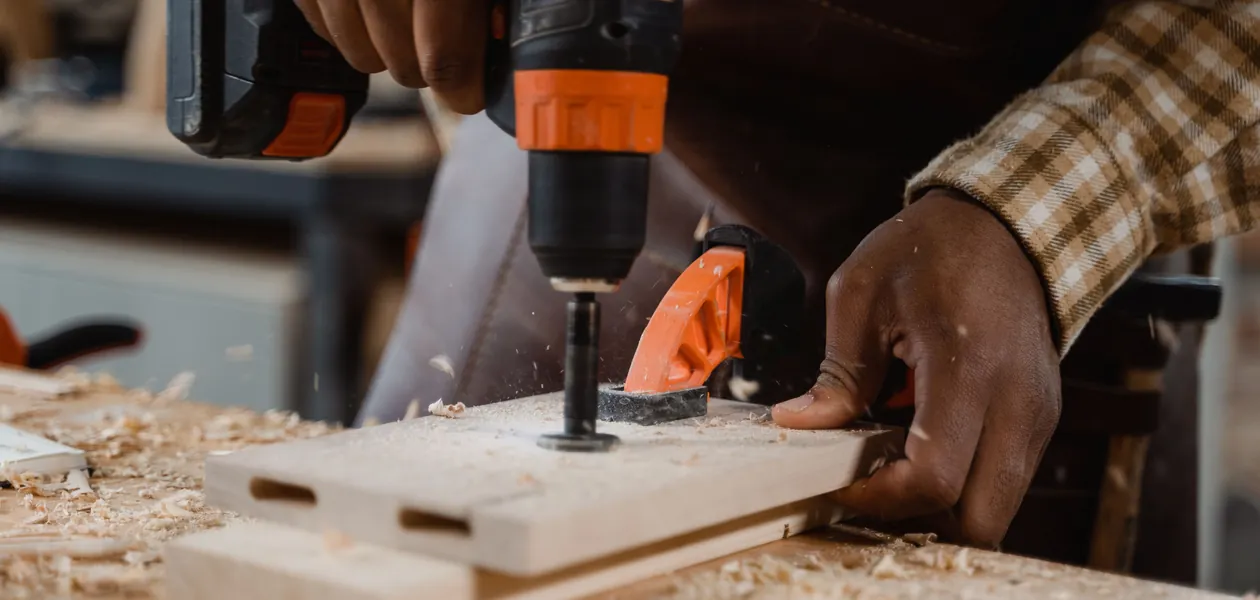
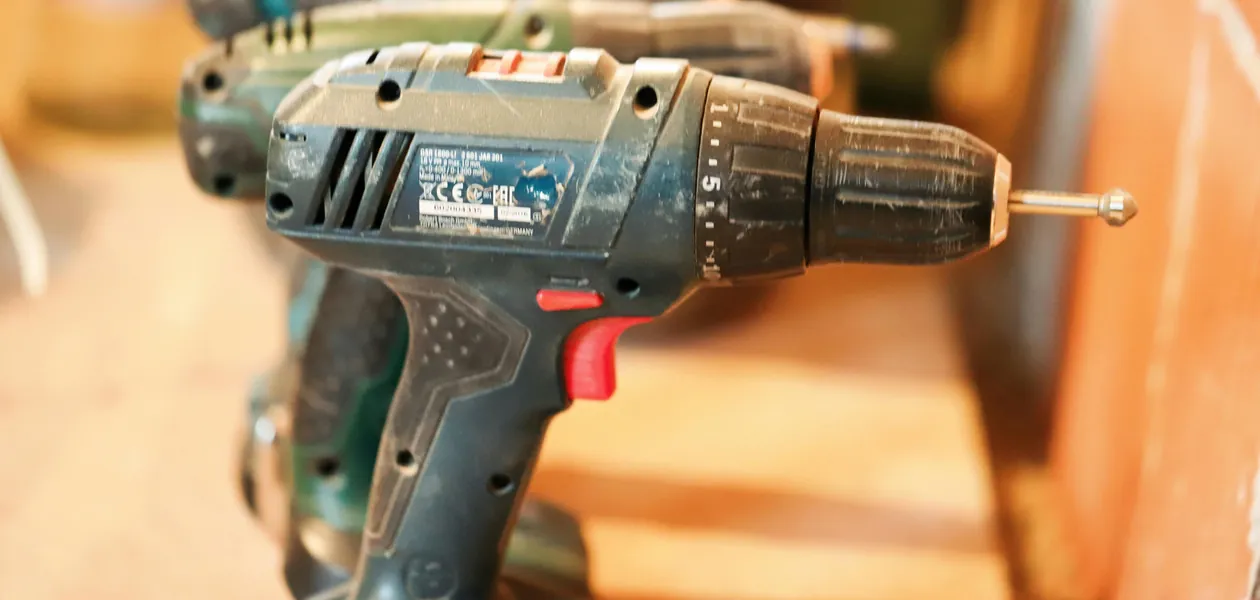
1. Cordless Drill and Driver. If you buy one tool, buy this one. It is the most versatile starting point for any homeowner. Mine has hung shelves, driven hundreds of fence screws, and drilled the pilot holes that stopped a leaking pipe repair from cracking the joist. Most DIY tasks start here, and you’ll reach for it weekly. Look for a variable speed trigger and a clutch you can actually feel; that is what keeps screw heads from stripping. It is the closest thing to a multi-purpose machine in the whole kit. There are more ways to use a power drill than most people ever discover.
2. Impact Driver. The drill’s stronger sibling. An impact driver delivers rotational bursts that sink long screws into dense lumber without wrist strain. When I built my garden fence, the impact driver did in an afternoon what a drill alone would have fought all weekend. Most brands sell the two as a combo kit, which is the smartest first buy.
3. Circular Saw. The workhorse for straight cuts in plywood, decking, and framing lumber. Using a sharp blade and a clamped straightedge will get you great results close to table saw quality, and breaking down large sheet materials is where it earns its keep. Respect this tool: it removes material faster than anything else on the list.
4. Jigsaw. For every cut that is not straight. A jigsaw handles curves, cutouts for sinks and outlets, and bevel cuts, and it is far less intimidating than larger saws for a beginner. Blade choice matters more than the saw itself: fine teeth for clean edges in finished wood, aggressive teeth for fast demolition work. With the right blade it slices metal and plastic too, making it useful far beyond wood.
5. Orbital Sander. The difference between a project that looks homemade and one that looks bought. A random orbital sander preps doors, furniture, and patched walls in minutes, and the finish it leaves is what makes paint look professional. Refinishing an old furniture find is the classic first job for one. Get a model with dust collection; your lungs and your cleanup time will both thank you.
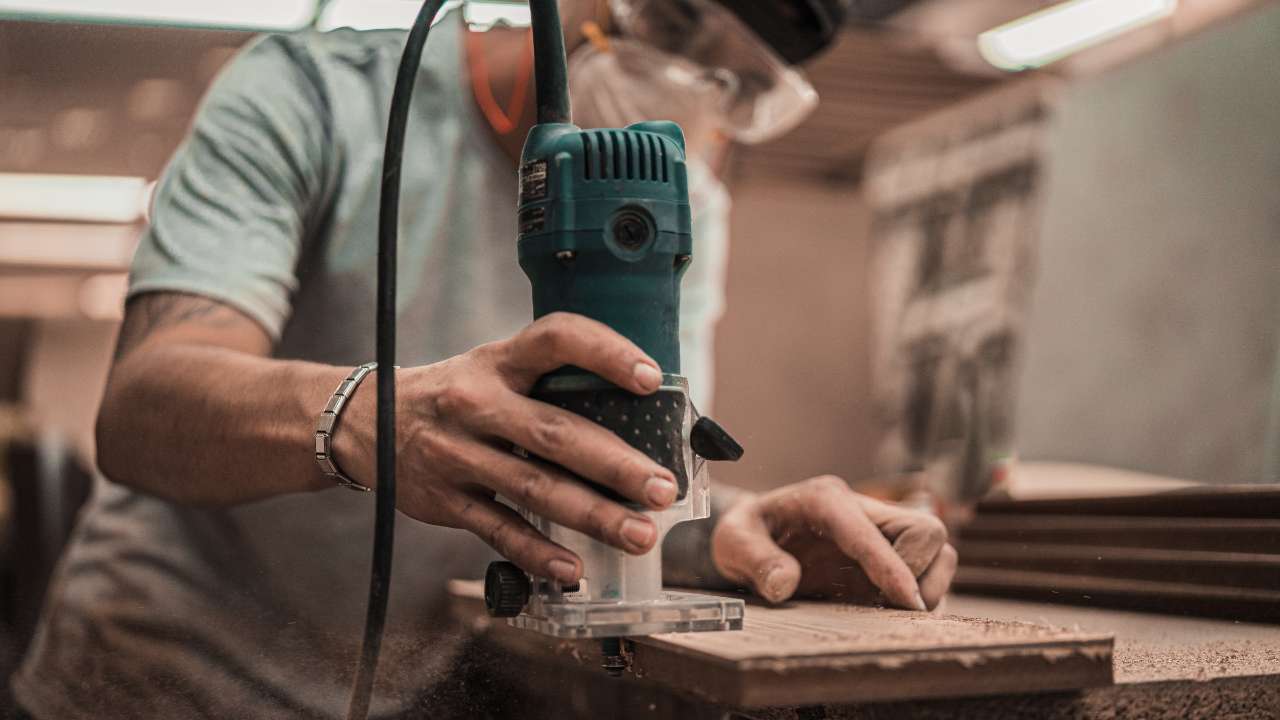
6. Oscillating Multi-Tool. The problem solver. Flush-cutting a door jamb, trimming a pipe in a wall cavity, scraping old caulk, sanding into corners: when no other tool fits the job, this one does it. For tackling small repairs around the house, this multi-tool is the most versatile thing I own.
7. Miter Saw. Once your woodworking projects involve trim, molding, picture frames, or fence pickets, a miter saw becomes indispensable. It makes fast, repeatable angled cuts that a circular saw cannot match for precision. This is usually the first big stationary purchase, and it is the one that moves your work from functional to clean-looking. Trim jobs like molding pair naturally with a finish nail gun later on.
8. Wet/Dry Shop Vacuum. Not glamorous, but I use mine more than half the tools above. It swallows sawdust, drywall debris, and the water from that leak you caught late. A shop vacuum also doubles as dust collection for your sander and miter saw, which keeps the garage workable.
9. Pressure Washer. The finishing touch for outdoor surfaces. Driveways, siding, decks, and fences collect years of grime that a garden hose cannot move. One Saturday with a pressure washer resets the whole exterior, and it is the fastest visual upgrade a house can get short of new paint.
Mind the pressure, though. Lower settings around 1,500 PSI are right for siding and painted surfaces, while concrete can take much more. Held too close, a strong jet will strip wood fibers and etch lines into a deck, so start far away and move in slowly.
10. Paint Sprayer. Repainting a room or a fence with a roller works, but a sprayer achieves the flawless, even finish that brushes struggle to match, in a fraction of the time. The trade is prep: masking matters, and the spray pattern takes practice on cardboard first. For large surfaces like fences and sheds, nothing else comes close.
Corded or Cordless?
Putting them to use outdoors, our guide to DIY landscaping is a good start.
Ten years ago this was a real debate. Today, cordless wins for most homeowners, with two honest exceptions.
Why Cordless Took Over
Modern lithium batteries and brushless motors changed the math: today’s cordless drills, saws, and sanders handle jobs that demanded a cord a decade ago, and the freedom matters. Half my fence would not exist if I had needed an extension lead across the lawn. Pick one battery platform early and stay loyal to it; the batteries cost more than the tools.
When Corded Still Wins
Corded tools still make sense for a variety of stationary, high-draw machines: a table saw, a dust extractor, or a pressure washer you only use near the house. No battery to die mid-job, more sustained power, and usually a lower price. If a tool never leaves one spot, the cord costs you nothing.
Power Tool Safety Basics
Taking care of your space pairs with taking care of yourself, see our men’s haircare guide.
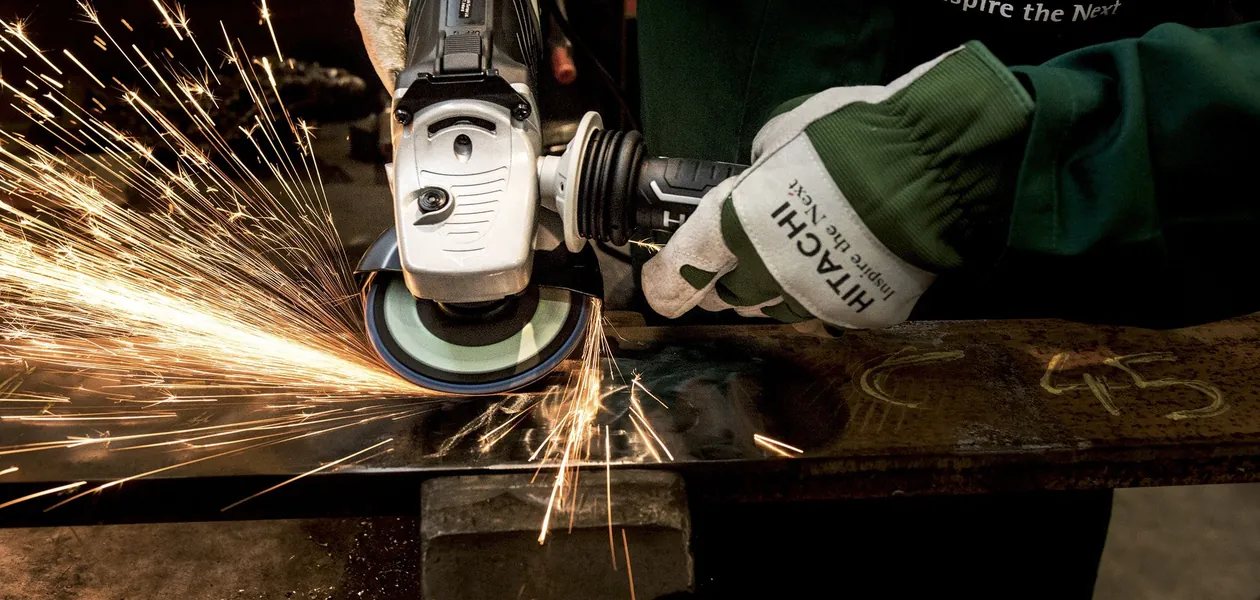
Every tool on this list can hurt you, and most accidents happen on the routine work, not the hard jobs. The most important rules, learned the careful way:
Safety glasses go on before the tool wakes up, every time. Hearing protection joins them for anything louder than a drill. These safety habits take seconds and become automatic within a month. Keep blades sharp, because dull blades force you to push, and pushing is how saws bind and kick back.
Unplug or pull the battery before changing any blade or bit. And follow the tool-guarding basics in OSHA’s hand and power tool guidance: guards stay on, period. None of this costs more than a minute, and it keeps every project a good story instead of a bad one.
Start Small, Build As You Go
You do not need all ten tools this weekend, and small jobs only need the first two. Start with the drill and impact driver combo, add the circular saw and shop vacuum when the first real project lands, and let the rest follow. The useful upgrades announce themselves; the ones you only think you want never do. As your confidence grows, additions like a brad nail gun for trim or a table saw for serious woodworking start to make sense.
A want list beats an impulse purchase: the right time to get a tool is when a large project genuinely calls for it.
Maintenance is the part most homeowner guides skip. Store lithium batteries indoors at around half charge instead of leaving them in a freezing garage, keep blades clean and sharp, and blow the dust out of motor vents now and then. Ten minutes of care per season is the difference between tools that last three years and tools that last fifteen. Pair this list with the essential hand tools every man should own, and know your limits: some DIY home improvements you should never attempt on your own.
Taking care of your home with your own hands is one of the quiet satisfactions of being a capable man. Invest in good tools once, maintain them, and they will outlast most of the projects you point them at.