Finding head lice on your child sets off a scramble for the fastest fix, and the internet is full of kitchen-cupboard cures: tea tree oil, garlic, mayonnaise, vinegar, olive oil. Most of them do not work, and a few can actually hurt your child’s scalp. So before you reach for anything in the pantry, it helps to know which head lice home remedies have real evidence behind them and which ones to skip entirely.
The honest answer is that the most reliable at-home method is also the cheapest and safest: careful, repeated combing. Head lice are very common in school-age children and have nothing to do with how clean your hair is. As the NHS puts it, lice and nits “are not caused by dirty hair.” That matters, because half the stress of an outbreak comes from a sense of shame that does not belong there.
How to tell it is really lice
Before you treat anything, make sure you are dealing with live lice and not just leftover nits or dandruff. Knowing what you are looking at saves you from over-treating.
Head lice come in three forms you can actually see:
- Nits (eggs): tiny, teardrop-shaped specks glued firmly to the hair shaft close to the scalp. Unlike dandruff, they do not flick off easily.
- Nymphs: young lice, smaller than a sesame seed, that hatch from nits and grow over about a week.
- Adult lice: roughly the size of a sesame seed, tan to grayish, and fast-moving, which is why you rarely catch one sitting still.
The classic sign is itching, especially behind the ears and at the back of the neck, but not everyone itches. The most reliable check is to wet the hair, add plenty of conditioner, and comb through with a fine-tooth detection comb in good light. If you find a moving louse, it is time to treat.
Wet combing: the home remedy that actually works
If you want a chemical-free method with genuine evidence behind it, wet combing is the one to follow. It physically removes lice and nits instead of relying on something to kill them, and it is gentle enough for young children. The trick is being thorough and repeating it on schedule, because a single pass always misses a few eggs that hatch days later.
Here is the method the NHS recommends, which is the same comb-out approach the American Academy of Pediatrics describes for removing lice after treatment:
What you need
- An ordinary shampoo and a generous amount of any conditioner.
- A fine-tooth lice or detection comb (the teeth sit closer together than a normal comb).
- Good lighting and a few sheets of paper towel.
The steps
- Wash the hair with ordinary shampoo, then coat it in lots of conditioner while it is still wet. The conditioner stuns the lice and stops them gripping, making them easier to drag out.
- Comb the whole head from the roots to the ends, section by section, wiping the comb on a paper towel after every stroke so you can see what you are removing.
- Rinse, then repeat the combing. It usually takes about 10 minutes for short hair and 20 to 30 minutes for long or curly hair.
Why the schedule matters
No comb-out kills the eggs already laid, so you have to keep combing as they hatch. The NHS schedule is to wet comb on days 1, 5, 9 and 13, then check once more on day 17 to confirm the head is clear. The AAP makes the same point in different words, advising the comb-out “every 2 to 3 days for 2 to 3 weeks.” Skip the repeats and the infestation comes back.
Over-the-counter and pharmacy treatments
If wet combing alone is not clearing things up, the over-the-counter aisle is the next step, and a pharmacist can point you to the right product. Some families order a head lice treatment at home kit, while others simply pick up a medicated lotion locally.
The treatments with the strongest track record are not exotic at all:
- Permethrin and pyrethrin lotions: the standard first-line products (sold as Nix, RID and similar). The AAP notes these are applied to the hair, left on for about 10 minutes, then rinsed.
- Dimeticone-based lotions and sprays: these coat and physically smother the lice rather than poisoning them, which is useful where lice have grown resistant to older chemicals. The NHS notes a medicated lotion or spray should kill lice “within a day.”
- Prescription options: if nothing over the counter works, a doctor can prescribe stronger treatments such as malathion, spinosad or ivermectin lotion.
Whichever product you use, follow the label exactly, and remember that most need a second application about a week later to catch newly hatched lice. The CDC adds one easy-to-miss instruction: do not use a conditioner before applying lice medicine, because it can keep the treatment from sticking to the hair.
What about essential oils and other natural remedies?
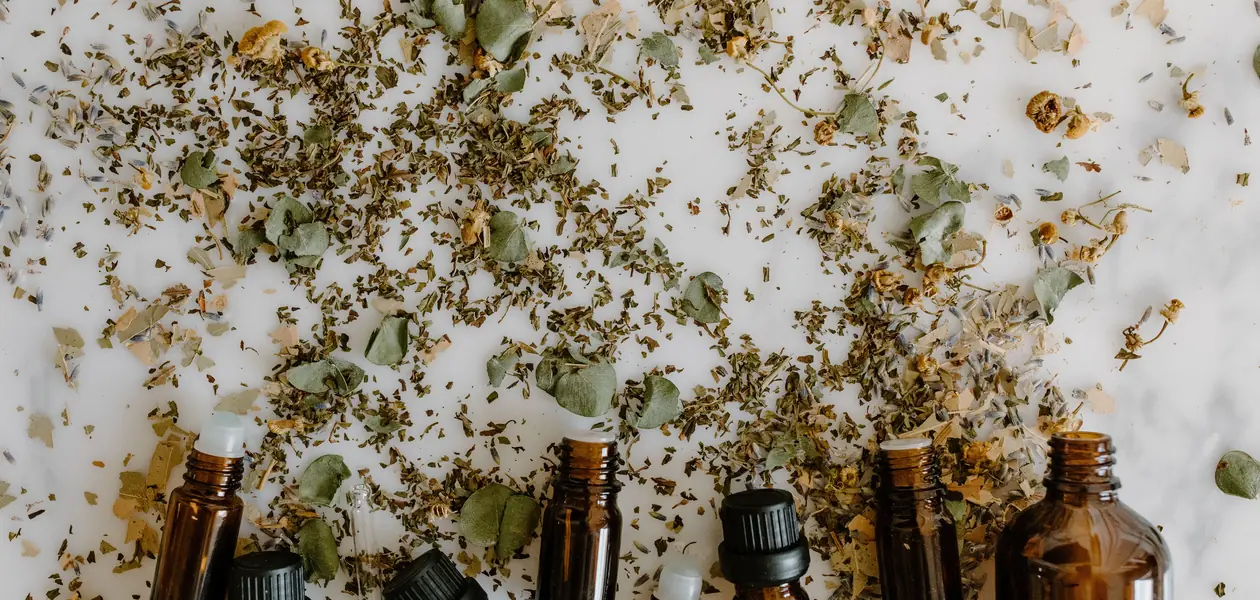
This is where the internet gets ahead of the science. Tea tree oil, neem and other essential oils are the most common “natural” suggestions, and a few small studies hint they may have some effect on lice. But the evidence is thin and inconsistent. The NHS specifically lists “plant oil treatments, such as tea tree oil, eucalyptus oil and lavender oil” among the things that do not reliably work, and it warns that essential oils can irritate sensitive skin.
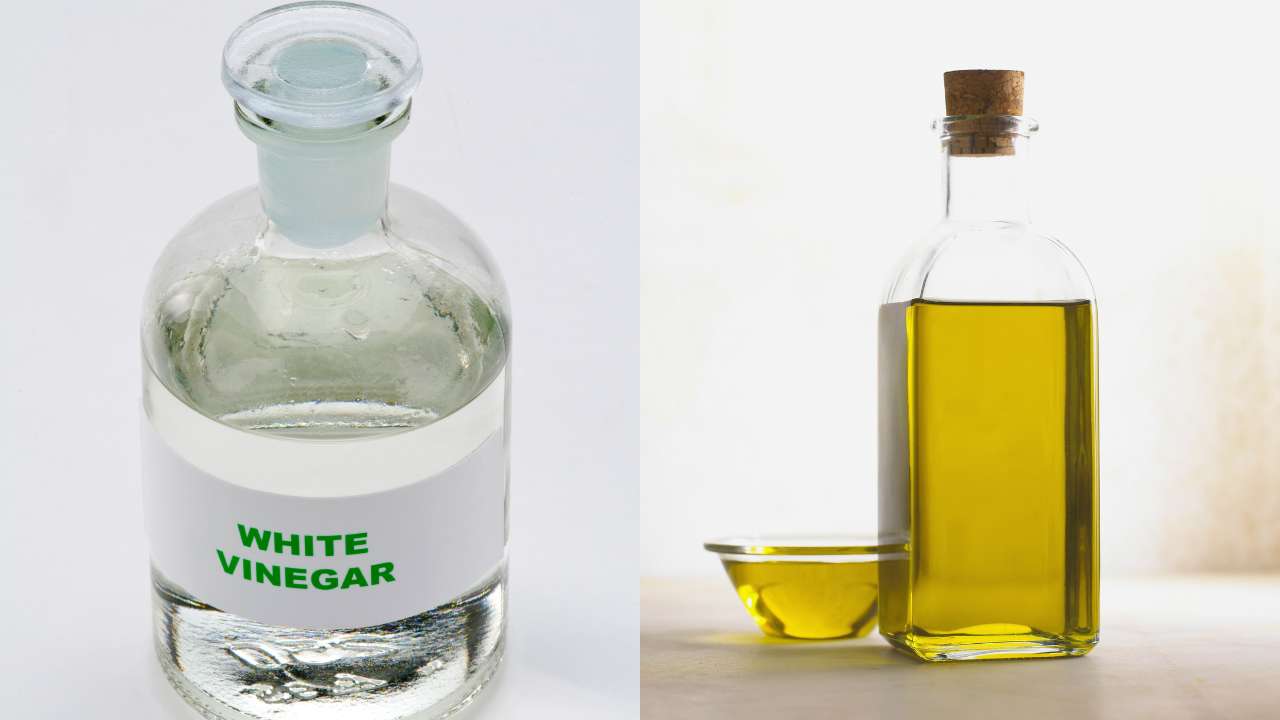
The same goes for the suffocation remedies, where the idea is to coat the hair in something thick to smother the lice. The CDC is blunt about it: it has no scientific evidence that suffocating head lice with mayonnaise, olive oil, margarine or butter actually works. If you still want to try one, treat it as something to run alongside diligent wet combing, never as a replacement, and do a patch test first to make sure your child’s skin reacts well.
Home remedies to avoid completely
Some of the advice floating around is not just useless, it is genuinely unsafe, and this is the part worth reading twice. A few popular “natural” cures can burn or poison a child, so do not use any of the following:
- Raw garlic on the scalp: crushed garlic left on skin is a known cause of chemical burns and blistering, documented in a published dermatology case report. Keep it out of any lice routine.
- Gasoline, kerosene or other flammable liquids: the AAP warns directly, “Never use dangerous products like gasoline or kerosene.” They can ignite and are toxic to inhale.
- Products meant for animals: pet lice or flea treatments are not formulated for human skin and should never be used on a child.
- Fumigant sprays and fogs: the CDC notes these “can be toxic if inhaled or absorbed through the skin,” and they do nothing the comb does not do more safely.
The simple rule: if a remedy involves heat, fumes, an open flame, or something you would not normally put on skin, it does not belong anywhere near your child’s head.
Cleaning your home (and what is not necessary)
Lice cannot live long away from a human scalp, so the deep-clean panic most people feel is unnecessary. You do not need to bag up toys or wash every fabric in the house. A little targeted cleaning is enough.
Focus on the items that touched the infested person’s head in the last two days:
- Machine wash bedding, hats and recently worn clothing in hot water at about 130°F, then dry on high heat, as the CDC advises.
- Soak combs and brushes in hot water (at least 130°F) for 5 to 10 minutes.
- Vacuum the furniture and car seat the person sat against, then move on. There is no need to keep a child home from school over lice.
When to see a pharmacist or doctor
Most cases clear up at home with combing and an over-the-counter product, so you usually do not need an appointment to get started. But it is worth talking to a professional in a few situations.
Call a pharmacist or your child’s doctor in any of these situations:
- The lice survive two full rounds of treatment done correctly.
- The scalp looks infected, with oozing, crusting or swollen glands.
- The person with lice is under two years old, pregnant or breastfeeding, and you are unsure which products are safe.
The AAP suggests checking with your child’s doctor before starting treatment if you have any doubts. A quick conversation is free and saves you from guessing.
Lice are miserable, but they are beatable with patience rather than harsh chemicals. Comb thoroughly, repeat on schedule, use a proven product if you need one, and skip the risky kitchen cures entirely.