Whenever I host friends who are skipping alcohol, the drinks have always been the part that stressed me out. Soda, juice, and sparkling water are fine, but they taste flat next to a proper cocktail. There is no depth, no finish, nothing to slow down and actually enjoy.
Non-alcoholic bitters fixed that for me. A few dashes give a zero-proof drink the same layered, grown-up character that a good cocktail has, without any alcohol at all. Here is what they are, how I use them, and how to build a simple non-alcoholic cocktail around a bottle.
TL;DR
- A few dashes of non-alcoholic bitters give a zero-proof drink the same layered, grown-up character as a proper cocktail, without any alcohol at all.
- Bitters are concentrated botanical extracts that were traditionally made with alcohol, which is why Angostura aromatic bitters sits at 44.7% ABV.
- True non-alcoholic bitters are real: they swap the spirit for a base of vegetable glycerin or vinegar that carries the botanicals just as well.
- Treat bitters as a seasoning, not a base, so start with a dash or two in a mocktail, sparkling water with citrus, fresh fruit or even a salad dressing.
- A simple build is one large ice cube, half a teaspoon of bitters, about 7ml of simple syrup and 60ml of juice, topped with tonic, with citrus bitters for bright juices and aromatic bitters for darker ones.
Table of Contents
- What Are Non-Alcoholic Bitters?
- How To Use Non-Alcoholic Bitters
- How To Make a Non-Alcoholic Cocktail With Bitters
- Choosing the Right Bitters
- Final Thoughts
- FAQ
- Sources
What Are Non-Alcoholic Bitters?
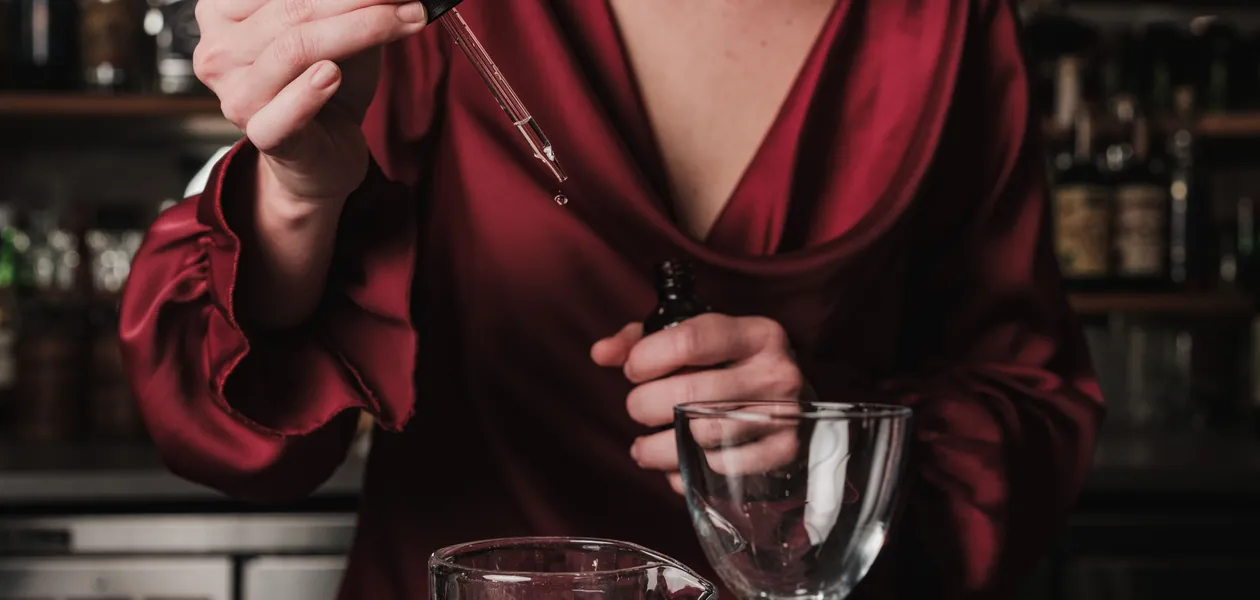
Bitters are concentrated botanical extracts. Makers steep bark, roots, citrus peel, seeds, and aromatic spices until the liquid carries a deep, complex flavor, usually built around a bittering agent like gentian root. That bitterness is the whole point. It gives a drink structure and stops it from tasting like flavored sugar water.
Traditionally, that extraction was done with alcohol. A high-proof spirit pulls the flavor out of the botanicals and preserves it, which is why classic bitters are surprisingly strong.
Angostura aromatic bitters, the bar standard, sits at 44.7% ABV. You only ever use a few drops, so the alcohol in a finished drink is negligible, but if you are avoiding alcohol completely, even a trace matters.
That is exactly why alcohol-free versions exist, and yes, true non-alcoholic bitters are real. They swap the spirit for a base of vegetable glycerin or vinegar, which carries the botanicals just as alcohol does. You get the same aromatic depth and complexity, with nothing to worry about if you are sober or taking the night off.
Aromatic, citrus, and orange bitters
A handful of styles will cover almost everything you want to make:
- Aromatic bitters: warm and spice-forward, the all-rounder that works in most drinks.
- Citrus and orange bitters: bright and zesty, made to lift fruit-based and sparkling drinks.
- Single-flavor bitters: cherry, cardamom, or coffee, for when you want one note to stand out.
How To Use Non-Alcoholic Bitters
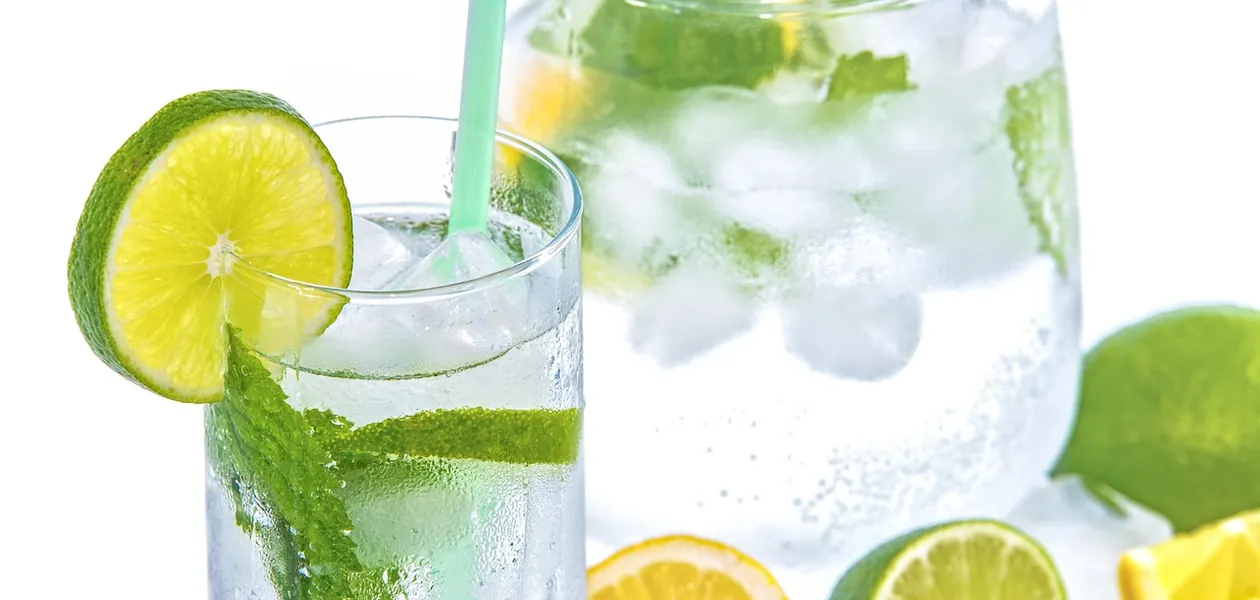
The golden rule is less is more. Bitters are a seasoning, not a base, so a dash or two is enough to shape a drink the same way salt seasons food. Start small, stir, and taste before you add any more. These are the places I reach for them most:
- In mocktails, to cut through sweetness and add a grown-up backbone.
- In plain sparkling water with a squeeze of citrus, for a quick aperitif before dinner.
- Over fresh fruit or a simple dessert, where a couple of drops add real aroma.
- Stirred into simple syrup or a salad dressing, so the flavor runs through the whole thing.
- In a zero-proof take on a classic like an old fashioned, where the bitters do the heavy lifting. There are plenty of other drinks worth trying once you get comfortable.
How To Make a Non-Alcoholic Cocktail With Bitters
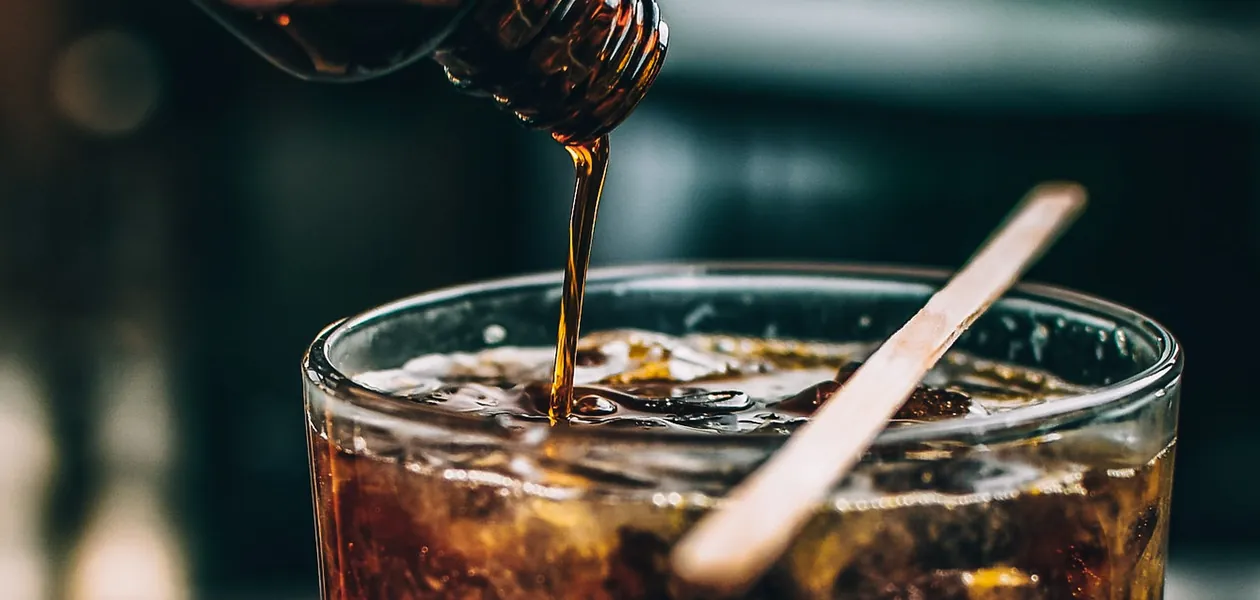
This is the simple build I keep coming back to. It takes a couple of minutes, and you can swap the juice to match your mood. I make one for myself first to check the balance before serving a round. If you like creamier drinks, the same approach works for a non-alcoholic pina colada.
What You’ll Need
- Ice: one large cube, which melts slowly and keeps the drink from watering down.
- Simple syrup: equal parts sugar and water, boiled until the sugar dissolves, then cooled completely.
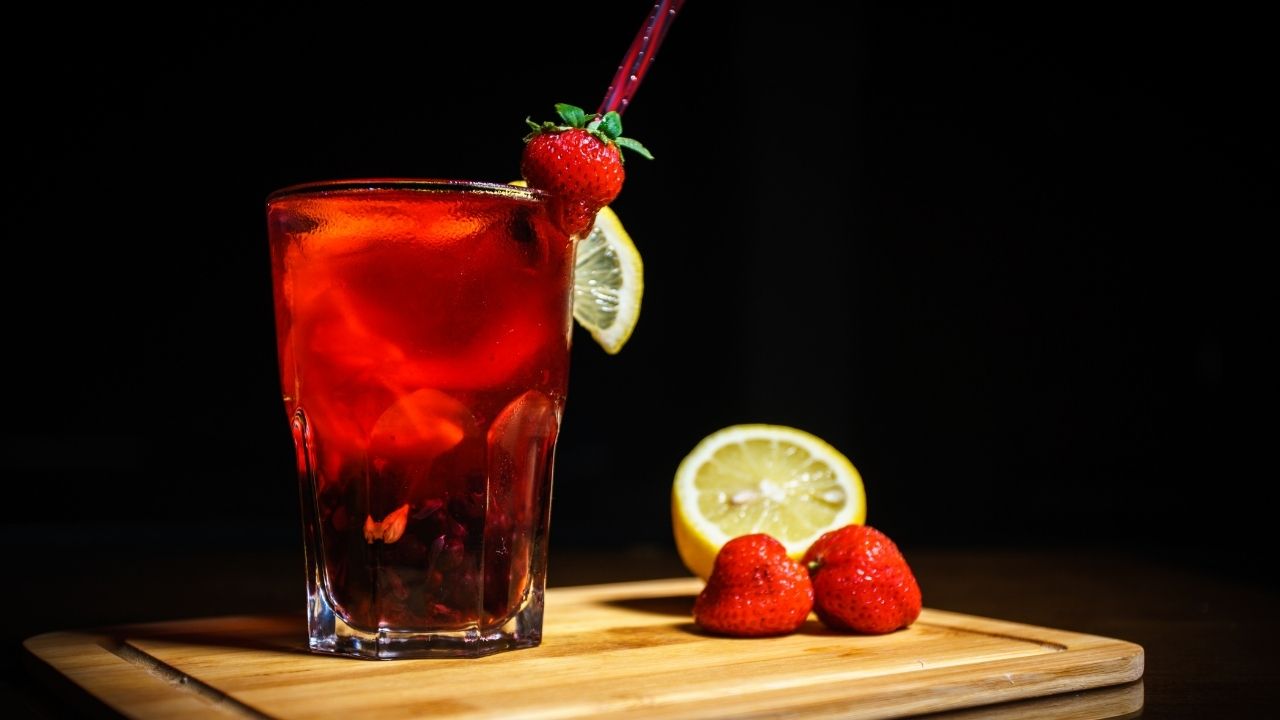
- Juice: cherry, pineapple, or lemon, depending on the flavor you are after.
- Tonic water: to add volume and balance out the bitterness.
- Non-alcoholic bitters: the one ingredient that makes the whole thing work. A classic range like non-alcoholic bitters from All The Bitter is an easy place to start.
Mixing and Garnishing
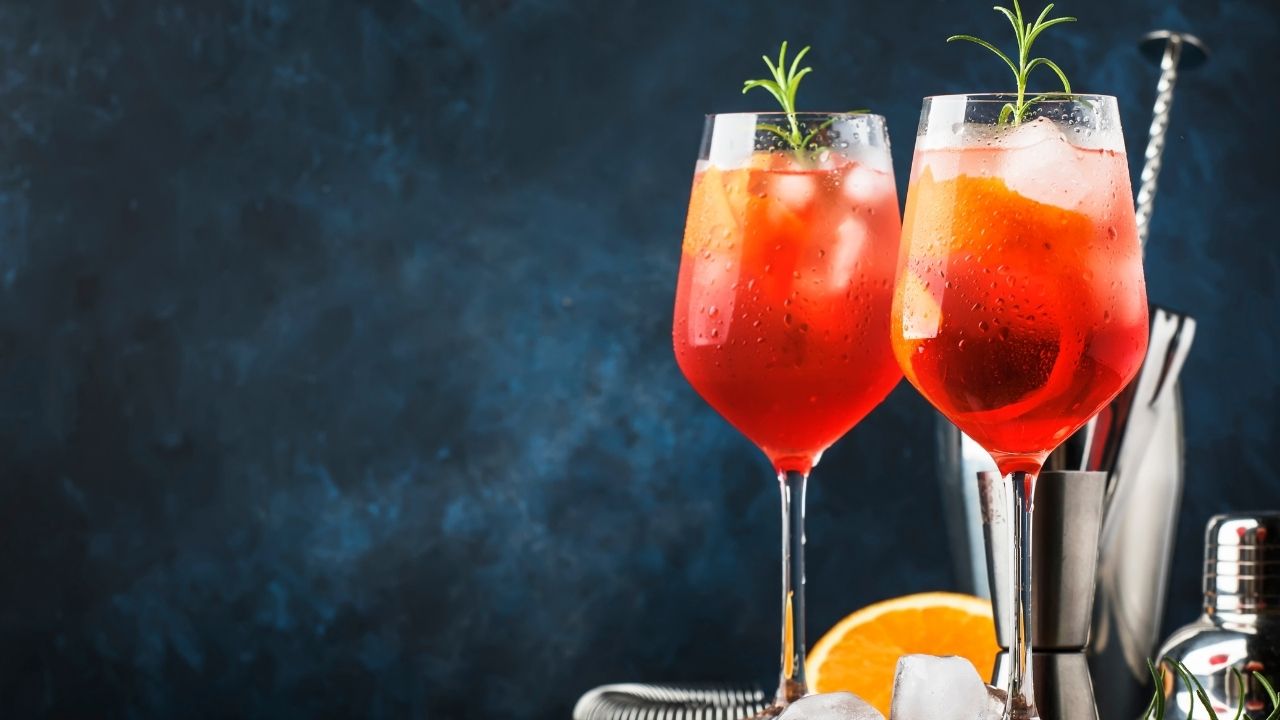
- Add the ice. Drop one big cube into the serving glass, making sure it fits without filling the whole space.
- Build the mix. In a separate mixing glass, combine half a teaspoon of non-alcoholic bitters, about 7ml of simple syrup, and 60ml of juice, then stir well.
- Pour and top up. Pour the mix over the ice, then top with tonic water to taste. A little more tonic softens the bitterness if it comes out too sharp.
- Garnish. Match the garnish to the juice, like cherries for cherry juice, or add a star anise pod for extra aroma and a finished look.
Choosing the Right Bitters
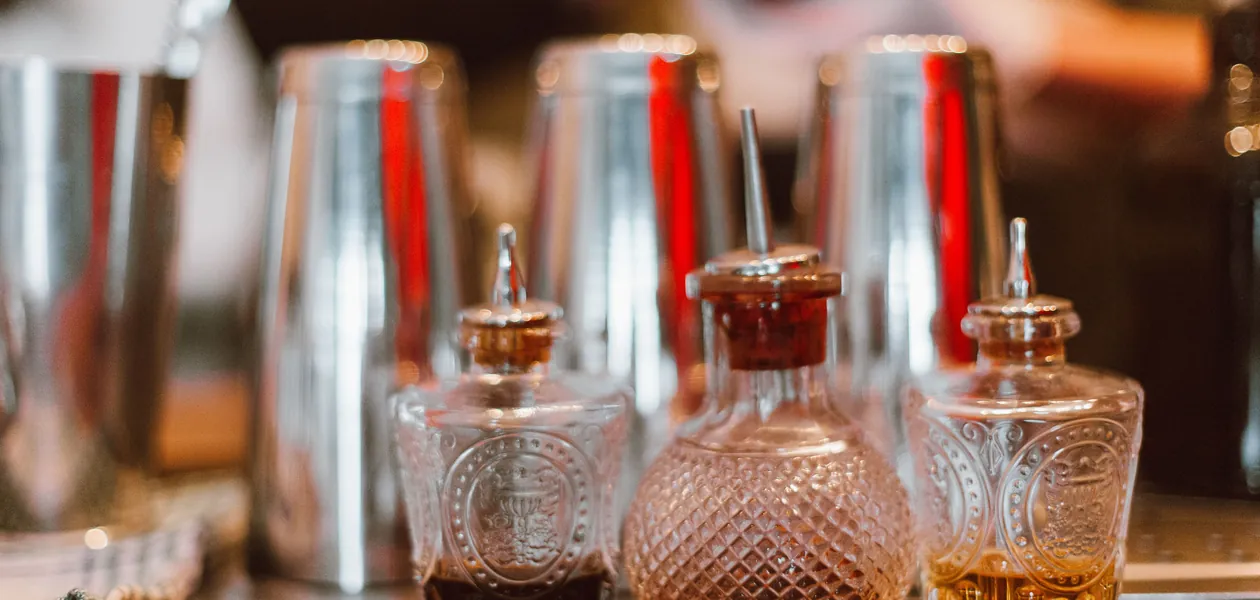
The bitters should complement the base, not fight it. After a fair bit of trial and error behind my own bar, this is the pairing logic I keep coming back to:
- Bright juices like pineapple or grapefruit pair well with citrus and orange bitters.
- Darker juices like cherry or pomegranate suit warm, spice-heavy aromatic bitters.
- When in doubt, start with a single dash, taste it, and build up slowly from there.
One bottle stretches a long way, so it is worth keeping two contrasting styles on hand. If you want more ideas for matching a drink to the moment, our guide to the perfect drink for every occasion is a good next read.
Final Thoughts
Non-alcoholic bitters are the easiest way I know to make a zero-proof drink feel like an actual cocktail. They bring the depth and finish that plain juice and soda are missing, and a single bottle quietly carries you through dozens of different drinks.
Keep a couple of styles within reach, treat them as a seasoning rather than a main ingredient, and play with different juice and bitters pairings. Once you land on the combinations you love, you will always have a signature drink ready for anyone who is not drinking that night, and nobody will feel like they are settling for less.
FAQ
Do non-alcoholic bitters exist?
Yes, true non-alcoholic bitters are real. Instead of a high-proof spirit, they use a base of vegetable glycerin or vinegar to carry the botanicals, so you get the same aromatic depth and complexity with no alcohol. A handful of styles covers most drinks: aromatic, citrus and orange, and single flavors like cherry or coffee.
Can I drink bitters if I’m sober?
Choose alcohol-free bitters if you avoid alcohol completely. Classic bitters are made with alcohol, and Angostura aromatic bitters is 44.7% alcohol by volume, according to Wikipedia. A few drops leave very little alcohol in a finished drink, but if you are sober even a trace matters, while glycerin or vinegar bitters leave nothing to worry about.
What can you mix non-alcoholic bitters with?
Almost anything that needs depth. A dash or two cuts the sweetness of a mocktail, turns plain sparkling water and citrus into a quick aperitif, adds aroma to fresh fruit or a simple dessert, and does the heavy lifting in a zero-proof old fashioned. Pair bright juices with citrus bitters and darker juices with aromatic ones.
How do you make a non-alcoholic cocktail with bitters?
Build it over one large ice cube. Stir half a teaspoon of non-alcoholic bitters, about 7ml of simple syrup and 60ml of cherry, pineapple or lemon juice in a mixing glass, pour it over the ice and top with tonic water to taste. Garnish to match the juice, or add a star anise pod.
Sources
Recommended